
Science
McGill Researchers Develop Innovative Patch to Enhance IVF Success

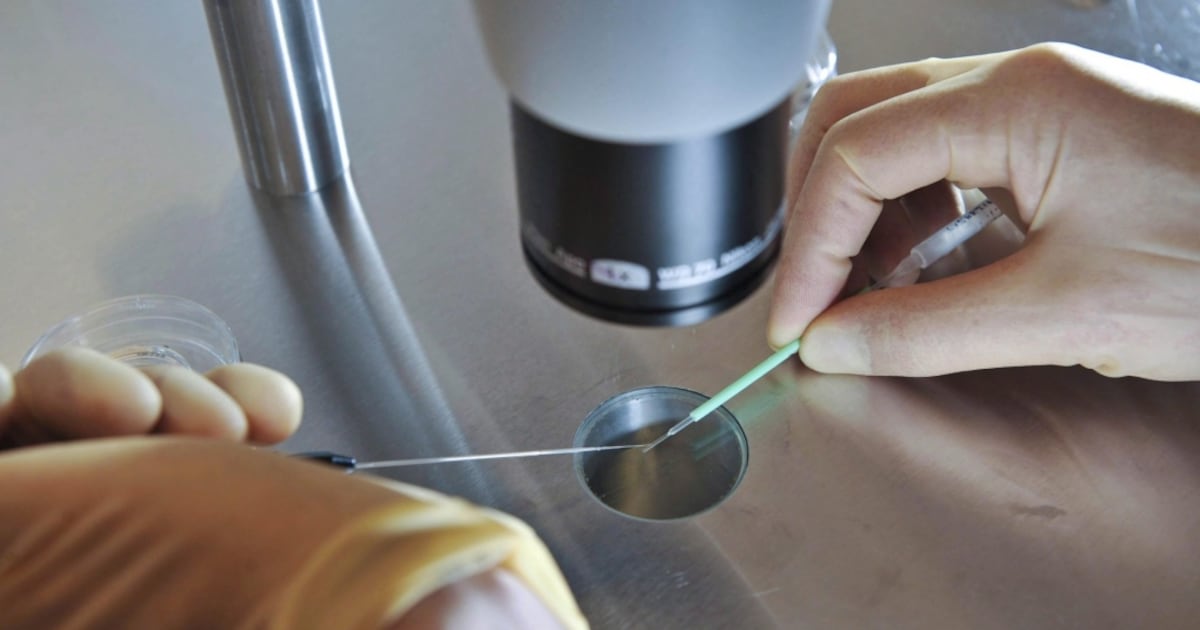
A team of researchers at McGill University has made a significant advancement that could enhance the success rates of in vitro fertilization (IVF) while alleviating the discomfort associated with hormone injections. Their innovative approach involves the development of a light-activated microneedle patch designed to replace daily hormone injections required before egg retrieval for women undergoing IVF.
Currently, the success rate of IVF stands at approximately 30 percent. This figure is often impacted by issues related to the timing and administration of hormone injections. According to Marta Cerruti, a professor of materials engineering at McGill University and the study’s lead author, “One of the problems with in vitro fertilization is that it often doesn’t work […] because it’s difficult to remember to inject yourself every day at the same time.” Mistakes in timing can severely compromise treatment outcomes.
The proposed microneedle patch offers a potential solution by programming automatic injections at specific times. Women could wear the patch for a week, allowing for consistent hormone delivery without the need for daily injections. The patch consists of hydrogel microneedles filled with nanoparticles that, when stimulated by infrared light, release leuprolide, a hormone crucial for the IVF process.
Innovative Technology and Its Implications
While light-triggered microneedle patches are not entirely new, this research represents the first exploration of releasing a substance naturally found in the body. Cerruti elaborates, “In order to release a drug with light, we have to break the bonds in the matrix containing the drug. The only light we can use to break these bonds is ultraviolet light.” Because ultraviolet (UV) light poses carcinogenic risks, the researchers sought an alternative.
To mitigate these risks, they incorporated specialized nanoparticles into the patch capable of transforming infrared light into UV light. This innovation allows the drug to be released without the nanoparticles entering the body. “With this idea of microneedle technology, we put them in a matrix with microneedles that prevent the nanoparticles from passing into the body,” Cerruti explained. “Only the drug is released by the particles with infrared light.”
Testing has thus far been conducted on rats, and further research involving larger animals is necessary before proceeding to human clinical trials. Given the regulatory landscape, it may take years before Health Canada evaluates the device for approval.
Potential Applications Beyond IVF
The implications of this technology extend beyond IVF, potentially benefiting individuals with various health conditions such as diabetes and multiple sclerosis. The versatility of microneedle technology could revolutionize how medications are administered, improving patient compliance and comfort.
Cerruti’s study, which highlights these groundbreaking findings, was published in the scientific journal Small. The research team included contributions from Vivienne Tam, Rusvir Trana, Alfonso Nieto-Arguello, Ore-Oluwa Olasubulumi, Samuel Babity, Artiom Skripka, Fiorenzo Vetrone, and Davide Brambilla.
The Canadian Press provided support for this health coverage through a partnership with the Canadian Medical Association and is solely responsible for the content. This report was originally published in French on January 8, 2026.

iShares Core Dividend Growth ETF Faces Challenges; Alternatives Suggested

Discover 7 Scenic Hikes Near Calgary to Explore This Spring

Scientists Uncover Life’s Building Blocks in Ryugu Asteroid Samples

Windsor-Essex Unveils New Action Plan to Combat Substance Use

Boost Your Business Visibility with These Local SEO Strategies

East Algoma OPP Urges Public to Limit Travel Amid Hazardous Conditions

Universities Must Rethink Failure to Support Student Growth

Canada Invests $6.4 Million to Boost Green Shipping Corridors

Stony Plain Secures 14th Consecutive Award for Financial Reporting Excellence

Rhythm Pharmaceuticals Reports Strong Q4 Growth Ahead of FDA Decision

Brandon University’s Failed $5 Million Project Sparks Oversight Review

Microsoft Confirms U.S. Law Overrules Canadian Data Sovereignty

Discover Aritzia’s Latest Fashion Trends: A Comprehensive Review

Winnipeg Celebrates Culinary Creativity During Le Burger Week 2025

New SĆIȺNEW̱ SṮEȽIṮḴEȽ Elementary Opens in Langford for 2025/2026 Year

EngineAI Unveils T800 Humanoid Robot, Setting New Industry Standards

Montreal’s Groupe Marcelle Leads Canadian Cosmetic Industry Growth

Tech Innovator Amandipp Singh Transforms Hiring for Disabled

Dragon Ball: Sparking! Zero Launching on Switch and Switch 2 This November

Canmore’s Le Fournil Bakery to Close After 14 Successful Years
-
 Education7 months ago
Brandon University’s Failed $5 Million Project Sparks Oversight Review
-
 Science8 months ago
Microsoft Confirms U.S. Law Overrules Canadian Data Sovereignty
-
 Lifestyle4 months ago
Discover Aritzia’s Latest Fashion Trends: A Comprehensive Review
-
 Lifestyle8 months ago
Winnipeg Celebrates Culinary Creativity During Le Burger Week 2025
-
 Education8 months ago
New SĆIȺNEW̱ SṮEȽIṮḴEȽ Elementary Opens in Langford for 2025/2026 Year
-
 Business4 months ago
EngineAI Unveils T800 Humanoid Robot, Setting New Industry Standards
-
 Health8 months ago
Montreal’s Groupe Marcelle Leads Canadian Cosmetic Industry Growth
-
 Science8 months ago
Tech Innovator Amandipp Singh Transforms Hiring for Disabled
-
 Technology8 months ago
Dragon Ball: Sparking! Zero Launching on Switch and Switch 2 This November
-
 Lifestyle1 month ago
Canmore’s Le Fournil Bakery to Close After 14 Successful Years
-

 Technology3 months ago
Digg Relaunches as Founders Kevin Rose and Alexis Ohanian Join Forces
-
 Top Stories4 months ago
Canadiens Eye Elias Pettersson: What It Would Cost to Acquire Him
-

 Health7 months ago
Eganville Leader to Close in 2026 After 123 Years of Reporting
-

 Education8 months ago
Red River College Launches New Programs to Address Industry Needs
-

 Top Stories4 months ago
Nicol Brothers Shine as Wheat Kings Dominate U18 AAA Hockey
-

 Business8 months ago
BNA Brewing to Open New Bowling Alley in Downtown Penticton
-

 Business7 months ago
Rocket Lab Reports Strong Q2 2025 Revenue Growth and Future Plans
-

 Lifestyle5 months ago
Edmonton’s Beloved Evolution Wonderlounge Closes, New Era Begins
-

 Education6 months ago
Alberta Petition Aims to Redirect Funds from Private to Public Schools
-

 Education8 months ago
Alberta Teachers’ Strike: Potential Impacts on Students and Families
-

 Technology6 months ago
Discord Faces Serious Security Breach Affecting Millions
-

 Technology8 months ago
Google Pixel 10 Pro Fold Specs Unveiled Ahead of Launch
-

 Business8 months ago
Iconic Golden Lion Restaurant in South Surrey to Close After 50 Years
-

 Lifestyle6 months ago
Canadian Author Secures Funding to Write Book Without Financial Strain