
Education
University Friendship Secrets: Insights from Introverts

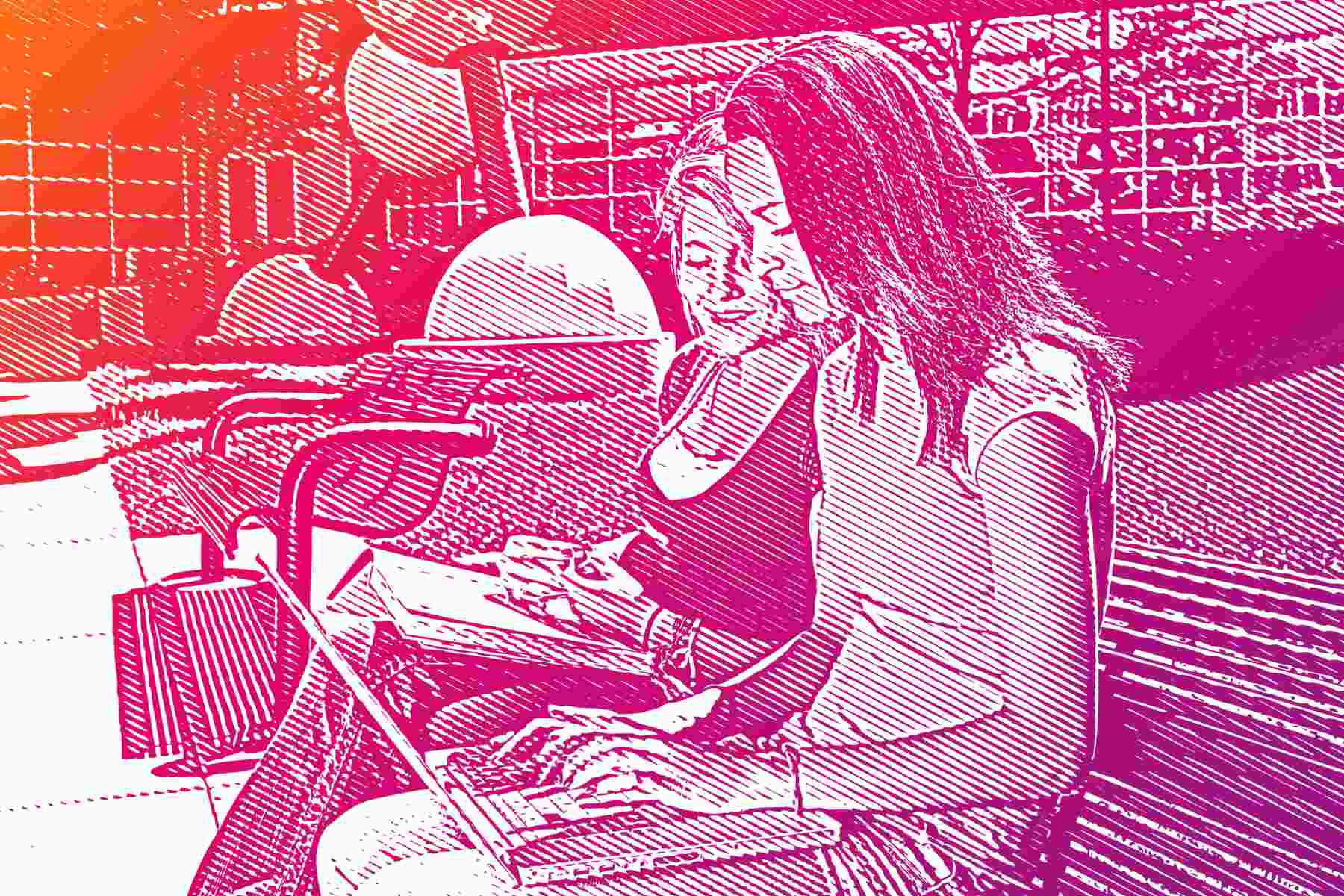
The transition to university can be daunting for many students, particularly those who identify as introverts. The experience of making new friends in a new environment can evoke feelings of anxiety and uncertainty. Recent reflections from a student highlight how the pandemic shaped social interactions, revealing valuable insights for those navigating the complexities of university friendships.
When COVID-19 struck in March 2020, the dynamics of socialization changed dramatically. A high school student shared that their friendships during this time were primarily built through digital platforms, as in-person interactions were severely limited. This unique environment fostered connections that may not have developed under normal circumstances. “It’s a lot easier to talk about yourself over the internet,” they noted, emphasizing the reduced pressure of judgment that comes with virtual communication.
As the student transitioned to university, they faced the challenge of establishing new friendships once again. Surrounded by unfamiliar faces in the dining hall on their first night, the initial apprehension about meeting new people was palpable. Yet, they quickly found that the atmosphere was surprisingly welcoming. “It really does feel like everybody is your friend in the first few weeks of university,” they remarked. This sense of camaraderie is often amplified by the shared experience of leaving home for the first time, making it easier to connect with others.
Despite the initial ease of conversation, the student soon felt adrift among peers who appeared to form tight-knit groups effortlessly. The feeling of being left out can be overwhelming, particularly for those who are naturally more reserved. However, as the weeks progressed, they discovered that many others shared similar feelings of uncertainty. “Everybody looked more sociable, more confident, better at connecting,” they reflected. This realization underscored an important truth: the struggle to connect is a common experience.
Building friendships took time, but the student gradually began to engage with their peers. Casual conversations transformed into deeper connections, as they found themselves spending hours chatting with newfound acquaintances. Participating in shared activities, such as trying new restaurants or hosting movie nights, helped solidify these bonds. “The ball was in my court to let these people know that I wanted to be around them too,” they explained.
The support of high school friends also played a crucial role in this transition. The student noted that their friends were navigating similar challenges, offering reassurance and perspective. “They helped me shift my perspective, reminding me that I’m not the only person in the world who’s ever had a problem with something,” they said, highlighting the importance of maintaining connections from the past.
As students embark on their university journeys, the experiences of those who identify as introverts can serve as a reminder that building friendships takes time, patience, and a willingness to engage. The initial weeks may be filled with uncertainty, but it is essential to remember that everyone is in the same boat. “If you’ve been waiting for them to say hi, they’re probably thinking the same thing about you,” the student concluded, reinforcing the idea that connection is a mutual endeavor.
In a world increasingly shaped by digital interactions, the insights from these experiences provide valuable lessons for students navigating the complexities of friendship in new environments. Embracing vulnerability, reaching out, and recognizing shared experiences can pave the way for meaningful connections that endure beyond the initial challenges of university life.

iShares Core Dividend Growth ETF Faces Challenges; Alternatives Suggested

Discover 7 Scenic Hikes Near Calgary to Explore This Spring

Scientists Uncover Life’s Building Blocks in Ryugu Asteroid Samples

Windsor-Essex Unveils New Action Plan to Combat Substance Use

Boost Your Business Visibility with These Local SEO Strategies

East Algoma OPP Urges Public to Limit Travel Amid Hazardous Conditions

Universities Must Rethink Failure to Support Student Growth

Canada Invests $6.4 Million to Boost Green Shipping Corridors

Stony Plain Secures 14th Consecutive Award for Financial Reporting Excellence

Rhythm Pharmaceuticals Reports Strong Q4 Growth Ahead of FDA Decision

Brandon University’s Failed $5 Million Project Sparks Oversight Review

Microsoft Confirms U.S. Law Overrules Canadian Data Sovereignty

Discover Aritzia’s Latest Fashion Trends: A Comprehensive Review

Winnipeg Celebrates Culinary Creativity During Le Burger Week 2025

New SĆIȺNEW̱ SṮEȽIṮḴEȽ Elementary Opens in Langford for 2025/2026 Year

EngineAI Unveils T800 Humanoid Robot, Setting New Industry Standards

Montreal’s Groupe Marcelle Leads Canadian Cosmetic Industry Growth

Tech Innovator Amandipp Singh Transforms Hiring for Disabled

Canmore’s Le Fournil Bakery to Close After 14 Successful Years

Dragon Ball: Sparking! Zero Launching on Switch and Switch 2 This November
-
 Education8 months ago
Brandon University’s Failed $5 Million Project Sparks Oversight Review
-
 Science9 months ago
Microsoft Confirms U.S. Law Overrules Canadian Data Sovereignty
-
 Lifestyle4 months ago
Discover Aritzia’s Latest Fashion Trends: A Comprehensive Review
-
 Lifestyle8 months ago
Winnipeg Celebrates Culinary Creativity During Le Burger Week 2025
-
 Education8 months ago
New SĆIȺNEW̱ SṮEȽIṮḴEȽ Elementary Opens in Langford for 2025/2026 Year
-
 Business5 months ago
EngineAI Unveils T800 Humanoid Robot, Setting New Industry Standards
-
 Health9 months ago
Montreal’s Groupe Marcelle Leads Canadian Cosmetic Industry Growth
-
 Science9 months ago
Tech Innovator Amandipp Singh Transforms Hiring for Disabled
-
 Lifestyle2 months ago
Canmore’s Le Fournil Bakery to Close After 14 Successful Years
-
 Technology9 months ago
Dragon Ball: Sparking! Zero Launching on Switch and Switch 2 This November
-

 Technology4 months ago
Digg Relaunches as Founders Kevin Rose and Alexis Ohanian Join Forces
-
 Top Stories5 months ago
Canadiens Eye Elias Pettersson: What It Would Cost to Acquire Him
-

 Health7 months ago
Eganville Leader to Close in 2026 After 123 Years of Reporting
-

 Lifestyle6 months ago
Edmonton’s Beloved Evolution Wonderlounge Closes, New Era Begins
-

 Education9 months ago
Red River College Launches New Programs to Address Industry Needs
-

 Top Stories5 months ago
Nicol Brothers Shine as Wheat Kings Dominate U18 AAA Hockey
-

 Business9 months ago
BNA Brewing to Open New Bowling Alley in Downtown Penticton
-

 Business8 months ago
Rocket Lab Reports Strong Q2 2025 Revenue Growth and Future Plans
-

 Education6 months ago
Alberta Petition Aims to Redirect Funds from Private to Public Schools
-

 Education9 months ago
Alberta Teachers’ Strike: Potential Impacts on Students and Families
-

 Technology7 months ago
Discord Faces Serious Security Breach Affecting Millions
-

 Technology9 months ago
Google Pixel 10 Pro Fold Specs Unveiled Ahead of Launch
-
 Education5 months ago
ʔaq̓am Education Law Enacted, Affirming Self-Governance Rights
-

 Business8 months ago
Iconic Golden Lion Restaurant in South Surrey to Close After 50 Years