
Science
Microsoft Confirms U.S. Law Overrules Canadian Data Sovereignty

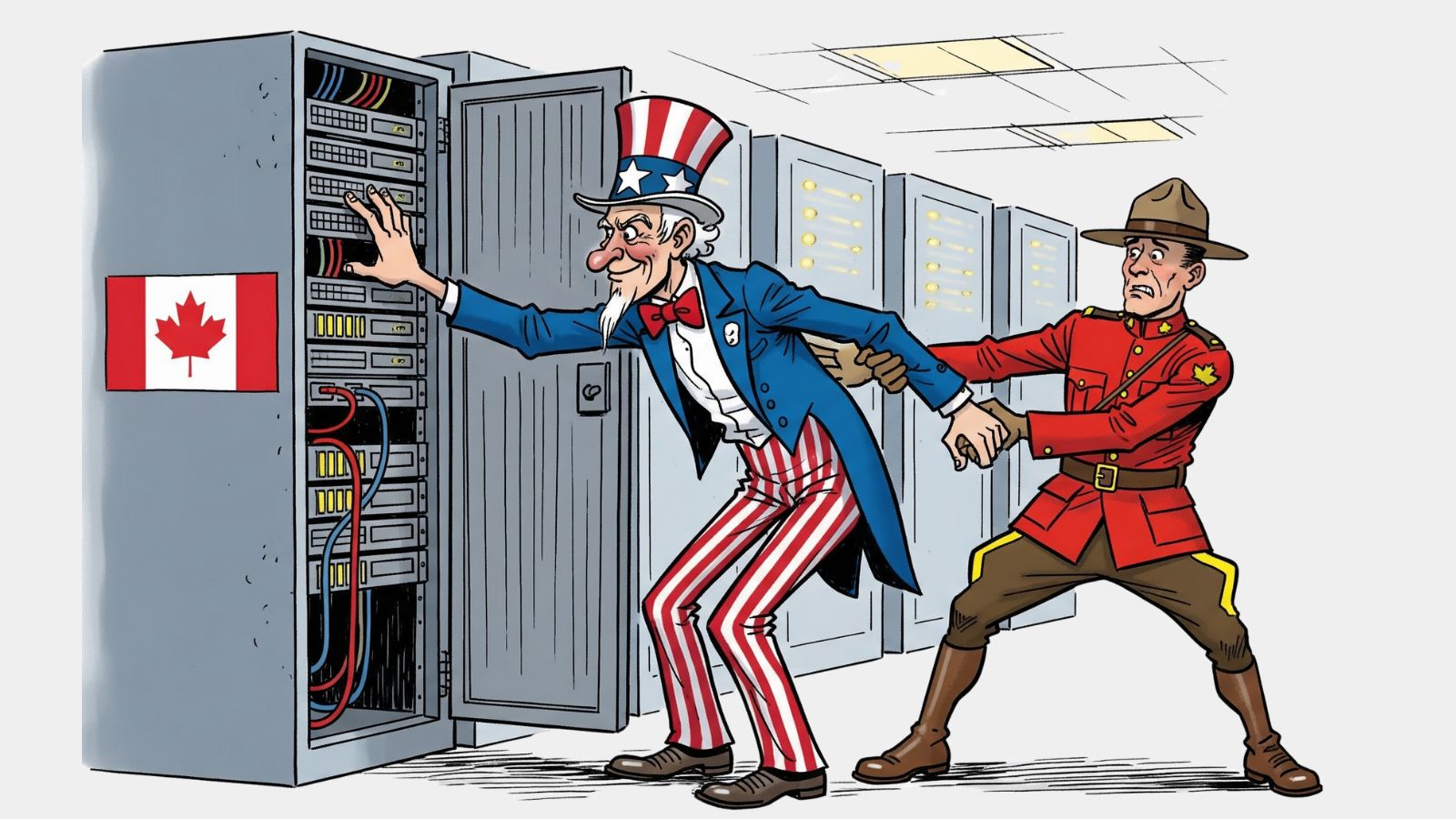
On June 10, 2025, during a hearing in France’s Senate, Microsoft revealed that U.S. law supersedes Canadian data sovereignty, raising significant concerns for Canadian users. Anton Carniaux, Microsoft France’s Director of Public and Legal Affairs, stated he could not guarantee that data from French citizens would remain protected from U.S. authorities without explicit permission from French officials. This admission suggests that Microsoft would comply with legal requests from the United States for data stored in the European Union, regardless of local laws.
This information carries profound implications for Canadians who use Microsoft services. Under the U.S. CLOUD Act, American tech companies can be compelled to provide user data to U.S. authorities, irrespective of where that data is stored. As a result, Canadian citizens’ data could be accessed by the U.S. government based on a valid legal request, without Canadian authorities being informed or consulted.
Microsoft’s assurances of having “rigid legal processes” to contest inappropriate U.S. requests have been criticized as insufficient. The company essentially asks governments and users to “trust us,” a stance that undermines the sovereignty of Canada, France, and other nations. The Government of Canada defines data sovereignty as “Canada’s right to control access to and disclosure of its digital information subject only to Canadian laws.” This principle is now in jeopardy when using U.S.-based cloud services.
Despite Canada’s existing data residency requirements—which mandate that a certain level of data be hosted within its borders—the reality is that U.S. law can override these regulations. Previously, there was an understanding that such measures would protect Canadian data; however, the confirmation from Microsoft indicates a shift in the landscape of data security and privacy.
The implications extend to critical sectors, including the Canadian military. The Department of National Defence and Canadian Armed Forces utilize Microsoft 365, specifically a tailored version known as Defence 365. This setup serves as a collaborative cloud infrastructure across various departments. The potential for U.S. authorities to request access to sensitive military data raises significant national security concerns.
Microsoft’s recent statements underscore the risks associated with reliance on U.S.-based technology firms. The current U.S. administration’s approach to foreign policy, often based on dubious or unsubstantiated claims, amplifies these concerns. There is a fear that requests for data may not always be grounded in legitimate evidence, further complicating matters for Canadian authorities.
In theory, Canada could refuse to comply with U.S. requests for data housed on Microsoft servers. However, the practicalities reveal a different story. If the data is stored on Microsoft infrastructure, the company may retrieve it without notifying Canadian officials. Consequently, users and the government may remain unaware until informed by Microsoft or the U.S. government, effectively placing control in foreign hands.
To mitigate these risks, data encryption is a critical consideration. The Canadian military and many government entities are required to encrypt sensitive information. While strong encryption can make unauthorized access exceedingly difficult, historical context suggests that U.S. administrations may still pursue methods to access encrypted data, heightening the stakes for Canadian users.
The only foolproof method to ensure that U.S. legal requests do not infringe upon Canadian sovereignty is to avoid using products from U.S.-based companies altogether or to keep such products entirely disconnected from the Internet. This stark reality has renewed discussions about the necessity for Canada to develop its own sovereign cloud capabilities, independent of major U.S. providers.
Despite the pressing nature of this issue, there has been little indication from the Canadian government regarding a commitment to invest in such capabilities. The information presented by Microsoft France serves as a wake-up call, emphasizing that existing data residency measures may be inadequate for protecting Canadian interests in the evolving digital landscape.
The dialogue surrounding data sovereignty is critical as nations grapple with the balance of technology, privacy, and security in an increasingly interconnected world. The ability of companies like Microsoft to navigate international laws raises fundamental questions about user trust and the future of data governance.

iShares Core Dividend Growth ETF Faces Challenges; Alternatives Suggested

Discover 7 Scenic Hikes Near Calgary to Explore This Spring

Scientists Uncover Life’s Building Blocks in Ryugu Asteroid Samples

Windsor-Essex Unveils New Action Plan to Combat Substance Use

Boost Your Business Visibility with These Local SEO Strategies

East Algoma OPP Urges Public to Limit Travel Amid Hazardous Conditions

Universities Must Rethink Failure to Support Student Growth

Canada Invests $6.4 Million to Boost Green Shipping Corridors

Stony Plain Secures 14th Consecutive Award for Financial Reporting Excellence

Rhythm Pharmaceuticals Reports Strong Q4 Growth Ahead of FDA Decision

Brandon University’s Failed $5 Million Project Sparks Oversight Review

Microsoft Confirms U.S. Law Overrules Canadian Data Sovereignty

Discover Aritzia’s Latest Fashion Trends: A Comprehensive Review

Winnipeg Celebrates Culinary Creativity During Le Burger Week 2025

New SĆIȺNEW̱ SṮEȽIṮḴEȽ Elementary Opens in Langford for 2025/2026 Year

EngineAI Unveils T800 Humanoid Robot, Setting New Industry Standards

Montreal’s Groupe Marcelle Leads Canadian Cosmetic Industry Growth

Canmore’s Le Fournil Bakery to Close After 14 Successful Years

Tech Innovator Amandipp Singh Transforms Hiring for Disabled

Dragon Ball: Sparking! Zero Launching on Switch and Switch 2 This November
-
 Education9 months ago
Brandon University’s Failed $5 Million Project Sparks Oversight Review
-
 Lifestyle6 months ago
Discover Aritzia’s Latest Fashion Trends: A Comprehensive Review
-
 Lifestyle9 months ago
Winnipeg Celebrates Culinary Creativity During Le Burger Week 2025
-
 Education9 months ago
New SĆIȺNEW̱ SṮEȽIṮḴEȽ Elementary Opens in Langford for 2025/2026 Year
-
 Business6 months ago
EngineAI Unveils T800 Humanoid Robot, Setting New Industry Standards
-
 Health10 months ago
Montreal’s Groupe Marcelle Leads Canadian Cosmetic Industry Growth
-
 Lifestyle3 months ago
Canmore’s Le Fournil Bakery to Close After 14 Successful Years
-
 Science10 months ago
Tech Innovator Amandipp Singh Transforms Hiring for Disabled
-
 Technology10 months ago
Dragon Ball: Sparking! Zero Launching on Switch and Switch 2 This November
-
 Top Stories6 months ago
Canadiens Eye Elias Pettersson: What It Would Cost to Acquire Him
-

 Technology5 months ago
Digg Relaunches as Founders Kevin Rose and Alexis Ohanian Join Forces
-

 Lifestyle7 months ago
Edmonton’s Beloved Evolution Wonderlounge Closes, New Era Begins
-

 Education6 months ago
ʔaq̓am Education Law Enacted, Affirming Self-Governance Rights
-

 Health9 months ago
Eganville Leader to Close in 2026 After 123 Years of Reporting
-

 Top Stories6 months ago
Nicol Brothers Shine as Wheat Kings Dominate U18 AAA Hockey
-

 Education10 months ago
Red River College Launches New Programs to Address Industry Needs
-

 Education8 months ago
Durham Schools Urged to Reconsider Prom Cancellation After Student Protest
-

 Business10 months ago
BNA Brewing to Open New Bowling Alley in Downtown Penticton
-

 Education8 months ago
Alberta Petition Aims to Redirect Funds from Private to Public Schools
-

 Business9 months ago
Rocket Lab Reports Strong Q2 2025 Revenue Growth and Future Plans
-

 Technology5 months ago
Amazon Unveils Kindle Plans for 2026: New Devices and Features
-

 Technology8 months ago
Discord Faces Serious Security Breach Affecting Millions
-

 Technology10 months ago
Google Pixel 10 Pro Fold Specs Unveiled Ahead of Launch
-

 Education10 months ago
Alberta Teachers’ Strike: Potential Impacts on Students and Families