
Education
Graduate Seminar Explores the Evolving Role of Museums

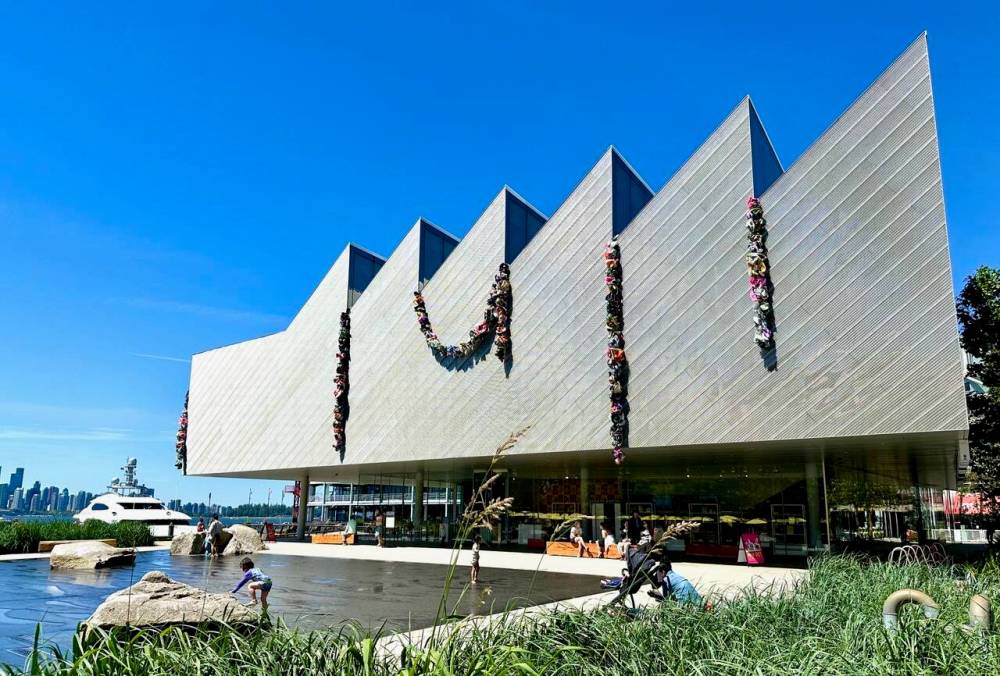
The University of Winnipeg has commenced its graduate seminar course, led by Stephen Borys, a veteran in the museum sector. This course, now in its twelfth year, delves into fundamental questions about the purpose and function of museums in contemporary society. It examines why collections are built, how exhibitions are organized, and, crucially, who museums serve today.
Each iteration of the course reflects the dynamic nature of the museum landscape. As societal issues shift, so does the course material. Participants, including emerging curators, artists, and educators, bring diverse perspectives shaped by their unique backgrounds. This year, the urgency of discussions has intensified, focusing on the pressing need for museums to respond to calls for reconciliation and decolonization.
The conversation in the classroom mirrors real-world challenges faced by museums. Borys emphasizes that teaching and practice are interwoven, as his consulting work with various organizations informs the seminar content. Projects with the National Indigenous Residential School Museum of Canada, and the Oseredok Ukrainian Cultural and Educational Centre, among others, provide practical case studies that enrich student learning.
Students engage critically with the material, discussing the successes and failures of current museum practices. They analyze governance structures that facilitate or hinder change and explore architectural considerations that reflect institutional values. This hands-on approach necessitates honest discussions about the complexities within the museum sector, including funding challenges, board dynamics, and community relationships.
The course highlights the importance of experience, with professionals from the field sharing insights gained from their careers. Borys notes that students must understand the realities of museum work, which often includes navigating complex social contexts and addressing historical injustices. The seminar aims to provide a transparent view of the museum landscape, encouraging students to question established norms.
This year’s curriculum also incorporates projects that challenge traditional museum models. The initiative to create a community-led museum from a historic site, as seen in the National Indigenous Residential School Museum, serves as a prime example of how museums can evolve. Similarly, the collaboration with the Winnipeg Architecture Foundation explores the potential for advocacy organizations to enhance their relevance and sustainability.
Borys believes that the role of the museum is not static; it is a “battleground of values, expectations, and possibilities.” He asserts that for museums to remain vital, they must be willing to listen, adapt, and continually redefine their identities in relation to the communities they aim to serve.
Through hands-on experiences and critical discussions, this graduate seminar at the University of Winnipeg not only prepares the next generation of museum professionals but also contributes to a broader dialogue about the future of cultural institutions.

Faye MacLachlan Earns Michelin Sommelier Award at Langdon Hall

New Initiative Reduces Costs for Small Businesses in Ontario

Evaluating Supplements for Heart Health: What the Science Reveals

Jeep Enhances Wrangler Stability, Achieves Better Crash Ratings

Former Prisoner Reflects on U.S. Influence and Iran’s Turmoil

Violence Against Educators in P.E.I. Surges, Workers Demand Action

AutoZone Reports Q2 Earnings: Growth from New Stores Amid Weak Demand

Iconic Schooner The Little Morrissey Returns to Brigus Harbour

Astronomers Set to Capture First Video of a Black Hole

Community Events Highlight Health Care Appreciation and Cultural Celebrations

Brandon University’s Failed $5 Million Project Sparks Oversight Review

Microsoft Confirms U.S. Law Overrules Canadian Data Sovereignty

Winnipeg Celebrates Culinary Creativity During Le Burger Week 2025

Montreal’s Groupe Marcelle Leads Canadian Cosmetic Industry Growth

EngineAI Unveils T800 Humanoid Robot, Setting New Industry Standards

New SĆIȺNEW̱ SṮEȽIṮḴEȽ Elementary Opens in Langford for 2025/2026 Year

Tech Innovator Amandipp Singh Transforms Hiring for Disabled

Dragon Ball: Sparking! Zero Launching on Switch and Switch 2 This November

Digg Relaunches as Founders Kevin Rose and Alexis Ohanian Join Forces

Canadiens Eye Elias Pettersson: What It Would Cost to Acquire Him
-
 Education6 months ago
Brandon University’s Failed $5 Million Project Sparks Oversight Review
-
 Science7 months ago
Microsoft Confirms U.S. Law Overrules Canadian Data Sovereignty
-
 Lifestyle6 months ago
Winnipeg Celebrates Culinary Creativity During Le Burger Week 2025
-
 Health7 months ago
Montreal’s Groupe Marcelle Leads Canadian Cosmetic Industry Growth
-
 Business3 months ago
EngineAI Unveils T800 Humanoid Robot, Setting New Industry Standards
-
 Education6 months ago
New SĆIȺNEW̱ SṮEȽIṮḴEȽ Elementary Opens in Langford for 2025/2026 Year
-
 Science7 months ago
Tech Innovator Amandipp Singh Transforms Hiring for Disabled
-
 Technology7 months ago
Dragon Ball: Sparking! Zero Launching on Switch and Switch 2 This November
-
 Technology2 months ago
Digg Relaunches as Founders Kevin Rose and Alexis Ohanian Join Forces
-
Top Stories3 months ago
Canadiens Eye Elias Pettersson: What It Would Cost to Acquire Him
-

 Health5 months ago
Eganville Leader to Close in 2026 After 123 Years of Reporting
-

 Education7 months ago
Red River College Launches New Programs to Address Industry Needs
-

 Business6 months ago
Rocket Lab Reports Strong Q2 2025 Revenue Growth and Future Plans
-

 Technology7 months ago
Google Pixel 10 Pro Fold Specs Unveiled Ahead of Launch
-

 Business7 months ago
BNA Brewing to Open New Bowling Alley in Downtown Penticton
-

 Technology5 months ago
Discord Faces Serious Security Breach Affecting Millions
-

 Education7 months ago
Alberta Teachers’ Strike: Potential Impacts on Students and Families
-

 Top Stories3 months ago
Nicol Brothers Shine as Wheat Kings Dominate U18 AAA Hockey
-
 Science7 months ago
China’s Wukong Spacesuit Sets New Standard for AI in Space
-

 Lifestyle5 months ago
Canadian Author Secures Funding to Write Book Without Financial Strain
-

 Business6 months ago
Iconic Golden Lion Restaurant in South Surrey to Close After 50 Years
-

 Business7 months ago
New Estimates Reveal ChatGPT-5 Energy Use Could Soar
-

 Business7 months ago
Dawson City Residents Rally Around Buy Canadian Movement
-
 Lifestyle2 months ago
Discover Aritzia’s Latest Fashion Trends: A Comprehensive Review