
Top Stories
Former Prisoner Reflects on U.S. Influence and Iran’s Turmoil

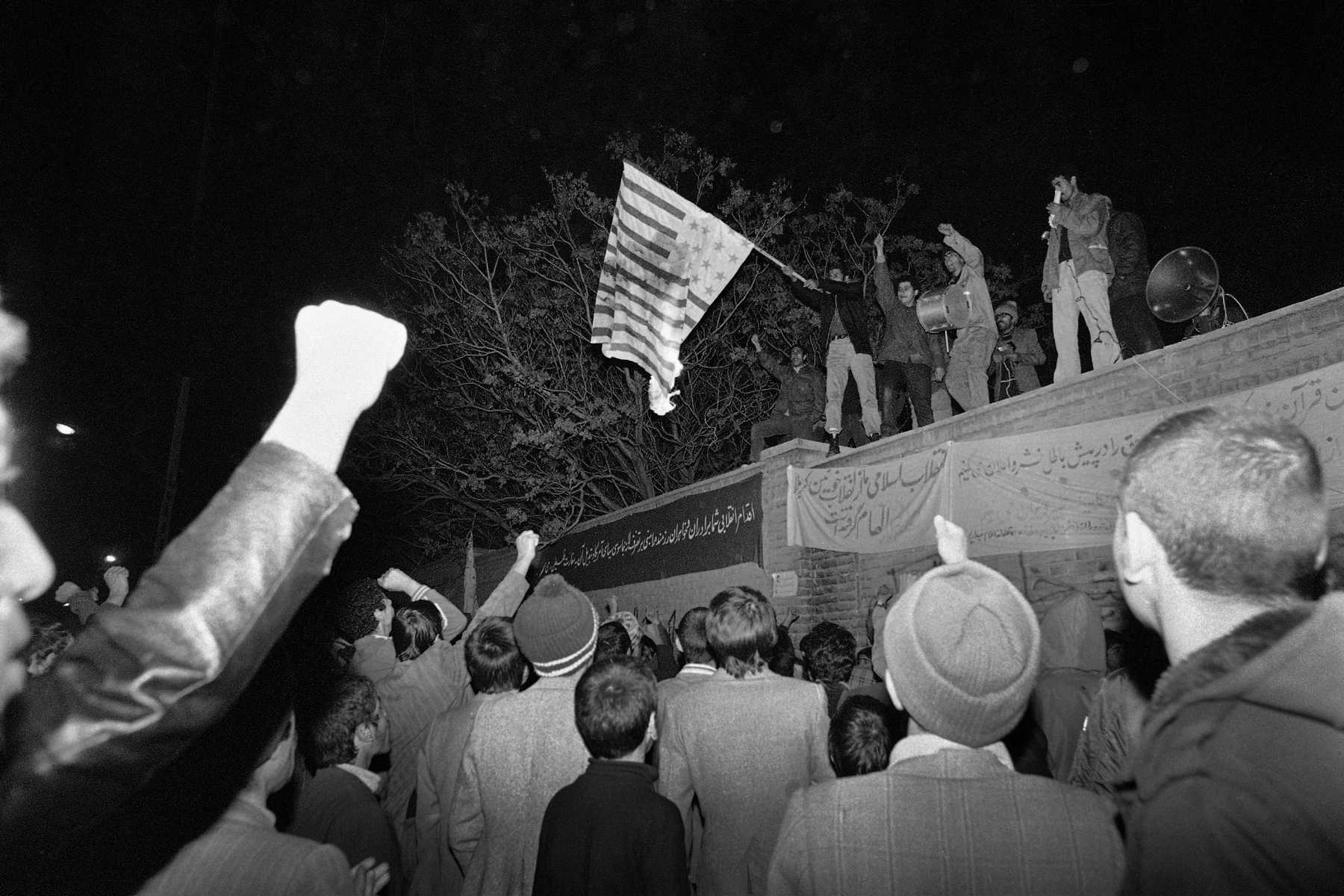
In June 2025, former Iranian prisoner and scholar Behrooz Gamari witnessed a bombing of Evin Prison by Israeli forces, reminiscent of his own harrowing experiences as a death row inmate during the Iran-Iraq War. He recalls the chilling atmosphere of fear and uncertainty as missiles rained down on Tehran in February 1984, a time when he was battling advanced lymphoma while awaiting execution. Gamari’s reflections highlight the long history of U.S. involvement in the region, shaping events that have led to ongoing conflict and suffering.
Gamari was imprisoned three years earlier for his association with a radical Marxist organization aiming to overthrow the Islamic Republic. He faced a death sentence shortly after his arrest, and after a year on death row, his untreated cancer progressed to a critical stage. During his incarceration, the Iranian regime faced external pressure from Saddam Hussein’s military campaign, which sought to destabilize the country through bombings targeting civilians. In just two weeks in February 1984, over 4,700 Iranian civilians were killed, and more than 20,000 were injured as part of a broader strategy to undermine the Iranian government.
The backdrop of this conflict saw significant support for Iraq from Western nations, including the United States. During the 1980s, the Ronald Reagan administration provided economic aid and intelligence, viewing Iraq as a bulwark against the Iranian revolution. The Soviet Union supplied arms to Iraq, while U.S. allies like France and Germany contributed military technology and materials. This support facilitated a prolonged war that resulted in substantial human and economic tolls for both nations.
As Gamari reflects on the past, he notes a pattern of U.S. intervention in Iranian affairs that has persisted for decades. He highlights the aftermath of the 9/11 attacks, which led to a renewed focus on Iran as a perceived threat in the region. In March 2003, just days before the invasion of Iraq, Gamari attended a policy workshop in Washington, D.C., where discussions centered on military strategies aimed at Tehran rather than efforts to prevent further conflict.
In the wake of the June 2025 bombing of Evin Prison, which resulted in the deaths of 79 individuals, including prison staff and visitors, Gamari’s reaction underscored his complex feelings about the ongoing violence. He expressed a visceral connection to Iran, where his past experiences meld with the current turmoil. Following the bombing, reports indicated that many prisoners risked their safety to assist those trapped beneath the rubble, showcasing a surprising solidarity amidst chaos.
The recent violence can be traced back to a significant escalation of hostilities between Iran and Israel. Just ten days prior to the Evin Prison attack, Israel had launched a series of airstrikes against Iranian military targets, resulting in over 1,000 casualties. The Israeli government has long claimed Iran poses an imminent nuclear threat, a narrative that has shaped its military strategies and justifications for intervention.
Gamari criticizes the simplistic portrayal of Iran’s leadership as paranoid and overly aggressive, arguing that such framing ignores the broader historical context of U.S. and Israeli actions in the region. He notes that the Iranian regime has often justified its repressive policies as necessary for national security against perceived external threats. The Islamic Republic’s regional activities, including support for groups like Hezbollah and the Syrian government, are viewed through this lens of survival rather than mere expansionism.
The International Atomic Energy Agency (IAEA) recently called for an emergency meeting to address concerns about Iran’s nuclear program, yet Gamari points out that the report failed to present new evidence of wrongdoing, merely reiterating long-standing issues. He emphasizes that the geopolitical landscape, shaped by decades of intervention and conflict, continues to evolve, with the U.S. and its allies often prioritizing their strategic interests over genuine concern for human rights.
As Gamari contemplates the past and present of U.S.-Iran relations, he underscores the complexity of Iranian society, which resists a binary view of good versus evil. Many Iranian dissidents in exile express frustration with the regime, yet they also recognize the dangers inherent in foreign intervention. The historical narrative of U.S. involvement in Iran, beginning with the 1953 coup against Prime Minister Mohammad Mossadegh, has created a legacy of mistrust that shapes contemporary attitudes toward the West.
Looking back over the nearly fifty years since the 1979 revolution, Gamari reflects on the enduring struggle for Iranian sovereignty in a landscape of foreign influence and domestic repression. The persistent issues of human rights abuses and authoritarian governance within Iran contrast sharply with the geopolitical maneuvers of the U.S. and its allies, who have often overlooked similar behaviors in allied states.
As the cycle of violence continues, Gamari’s insights serve as a reminder of the human cost of political machinations and the urgent need for a nuanced understanding of the region’s complexities. The challenges faced by Iran, both from within and outside its borders, highlight the necessity for thoughtful engagement rather than aggressive intervention in the pursuit of peace and stability.

iShares Core Dividend Growth ETF Faces Challenges; Alternatives Suggested

Discover 7 Scenic Hikes Near Calgary to Explore This Spring

Scientists Uncover Life’s Building Blocks in Ryugu Asteroid Samples

Windsor-Essex Unveils New Action Plan to Combat Substance Use

Boost Your Business Visibility with These Local SEO Strategies

East Algoma OPP Urges Public to Limit Travel Amid Hazardous Conditions

Universities Must Rethink Failure to Support Student Growth

Canada Invests $6.4 Million to Boost Green Shipping Corridors

Stony Plain Secures 14th Consecutive Award for Financial Reporting Excellence

Rhythm Pharmaceuticals Reports Strong Q4 Growth Ahead of FDA Decision

Brandon University’s Failed $5 Million Project Sparks Oversight Review

Microsoft Confirms U.S. Law Overrules Canadian Data Sovereignty

Winnipeg Celebrates Culinary Creativity During Le Burger Week 2025

Discover Aritzia’s Latest Fashion Trends: A Comprehensive Review

New SĆIȺNEW̱ SṮEȽIṮḴEȽ Elementary Opens in Langford for 2025/2026 Year

EngineAI Unveils T800 Humanoid Robot, Setting New Industry Standards

Montreal’s Groupe Marcelle Leads Canadian Cosmetic Industry Growth

Tech Innovator Amandipp Singh Transforms Hiring for Disabled

Dragon Ball: Sparking! Zero Launching on Switch and Switch 2 This November

Digg Relaunches as Founders Kevin Rose and Alexis Ohanian Join Forces
-
 Education7 months ago
Brandon University’s Failed $5 Million Project Sparks Oversight Review
-
 Science8 months ago
Microsoft Confirms U.S. Law Overrules Canadian Data Sovereignty
-
 Lifestyle7 months ago
Winnipeg Celebrates Culinary Creativity During Le Burger Week 2025
-
 Lifestyle3 months ago
Discover Aritzia’s Latest Fashion Trends: A Comprehensive Review
-
 Education7 months ago
New SĆIȺNEW̱ SṮEȽIṮḴEȽ Elementary Opens in Langford for 2025/2026 Year
-
 Business4 months ago
EngineAI Unveils T800 Humanoid Robot, Setting New Industry Standards
-
 Health8 months ago
Montreal’s Groupe Marcelle Leads Canadian Cosmetic Industry Growth
-
 Science8 months ago
Tech Innovator Amandipp Singh Transforms Hiring for Disabled
-
 Technology8 months ago
Dragon Ball: Sparking! Zero Launching on Switch and Switch 2 This November
-
 Technology3 months ago
Digg Relaunches as Founders Kevin Rose and Alexis Ohanian Join Forces
-
 Top Stories4 months ago
Canadiens Eye Elias Pettersson: What It Would Cost to Acquire Him
-

 Lifestyle3 weeks ago
Canmore’s Le Fournil Bakery to Close After 14 Successful Years
-

 Health6 months ago
Eganville Leader to Close in 2026 After 123 Years of Reporting
-

 Education8 months ago
Red River College Launches New Programs to Address Industry Needs
-

 Top Stories4 months ago
Nicol Brothers Shine as Wheat Kings Dominate U18 AAA Hockey
-

 Business7 months ago
Rocket Lab Reports Strong Q2 2025 Revenue Growth and Future Plans
-

 Business8 months ago
BNA Brewing to Open New Bowling Alley in Downtown Penticton
-

 Education5 months ago
Alberta Petition Aims to Redirect Funds from Private to Public Schools
-

 Education8 months ago
Alberta Teachers’ Strike: Potential Impacts on Students and Families
-

 Technology6 months ago
Discord Faces Serious Security Breach Affecting Millions
-

 Technology8 months ago
Google Pixel 10 Pro Fold Specs Unveiled Ahead of Launch
-

 Lifestyle5 months ago
Edmonton’s Beloved Evolution Wonderlounge Closes, New Era Begins
-

 Business7 months ago
Iconic Golden Lion Restaurant in South Surrey to Close After 50 Years
-
 Science8 months ago
China’s Wukong Spacesuit Sets New Standard for AI in Space