
Top Stories
Social Studies Teachers Confront Challenges Amid Global Crises

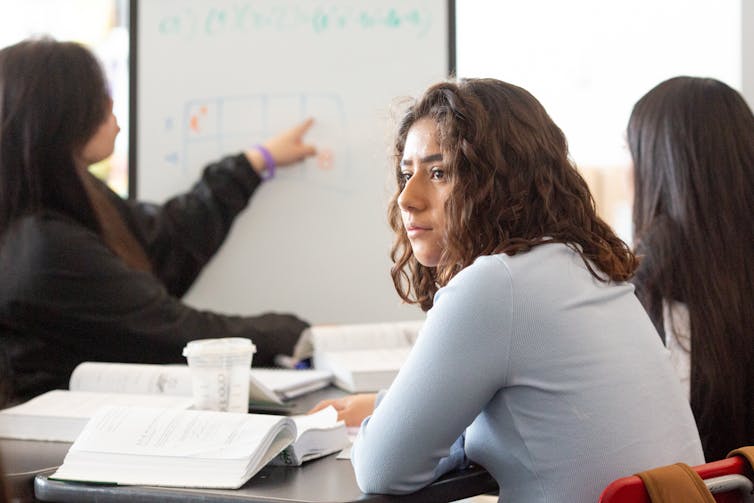
High school social studies teachers are navigating a complex landscape of pressing global issues and contentious dialogues, particularly in light of recent events such as the Hamas attacks in Israel on October 7, 2023, followed by Israel’s military response in Gaza. These educators are increasingly expected to guide students through sensitive topics, including racism and historical injustices, while grappling with external pressures that demand neutrality in their classrooms.
The current social studies curriculum emphasizes themes that resonate with students’ real-world experiences. Issues like the ICE raids in Minnesota and the historical context of colonialism require teachers to create an environment conducive to open discussion. This obligation to address difficult subjects is compounded by the emotional toll it takes on educators, as they balance the expectations of their students, the curriculum, and broader societal responsibilities.
Teaching Difficult Knowledge in a Divisive Environment
Teaching social studies is inherently challenging, with educators often confronting what researcher Deborah Britzman describes as “difficult knowledge.” This term refers to the traumatic histories and human vulnerabilities that are difficult for both teachers and students to process. In many classrooms, teachers are tasked with unpacking complex global events while managing their own emotional responses.
In a recent reflection, a social studies teacher from rural Manitoba recounted how students sought guidance on the Israel-Gaza conflict. The educator felt a strong obligation to provide context while recognizing the potential backlash from parents and community members. The fear of judgment can lead teachers to self-censor, which ultimately undermines their ability to engage students meaningfully.
Research conducted by the Social Studies Educators Network of Canada shows that many educators experience significant stress related to their responsibilities. Teachers report feeling a collective weight as they navigate the demands of their profession while striving to fulfill their ethical obligations. This emotional burden is particularly pronounced when addressing contentious issues that are often laden with political implications.
The Myth of Neutrality in Education
The expectation that classrooms should be “neutral spaces” is a pervasive and problematic belief. Teaching is inherently political, as it involves validating or excluding certain perspectives. The decisions made by curriculum developers are influenced by political ideologies, and the omission of particular narratives can be just as impactful as their inclusion.
Teachers who attempt to maintain a facade of neutrality often find themselves in a precarious position. The expectation to avoid taking a stance can lead to ethical dilemmas, such as allowing inaccurate or derogatory comments to go unchallenged. This myth of neutrality not only pressures educators to self-censor but can also contribute to heightened emotional strain.
In response to the challenges posed by contemporary curricula, some educators are adopting a framework of “committed impartiality.” This approach encourages teachers to share their own beliefs while fostering an inclusive dialogue. By creating a space for all opinions, teachers can guide discussions that promote critical thinking and empathetic understanding.
The classroom environment is shaped by the “lived curriculum,” where students’ experiences significantly influence their learning. When teachers engage with difficult topics, they help students confront pressing global crises and develop the skills necessary to become informed, active citizens.
As educators continue to navigate these complexities, acknowledging the emotional weight of their responsibilities can foster a sense of community and shared purpose. Conversations among teachers about their experiences may be challenging and emotional, but they ultimately contribute to a more supportive and resilient teaching profession.
The ongoing commitment of social studies teachers to engage with difficult conversations underscores the importance of their role in shaping a more just and informed society. Despite the pressures they face, many educators remain dedicated to fostering hope and encouraging students to participate actively in democratic processes.

iShares Core Dividend Growth ETF Faces Challenges; Alternatives Suggested

Discover 7 Scenic Hikes Near Calgary to Explore This Spring

Scientists Uncover Life’s Building Blocks in Ryugu Asteroid Samples

Windsor-Essex Unveils New Action Plan to Combat Substance Use

Boost Your Business Visibility with These Local SEO Strategies

East Algoma OPP Urges Public to Limit Travel Amid Hazardous Conditions

Universities Must Rethink Failure to Support Student Growth

Canada Invests $6.4 Million to Boost Green Shipping Corridors

Stony Plain Secures 14th Consecutive Award for Financial Reporting Excellence

Rhythm Pharmaceuticals Reports Strong Q4 Growth Ahead of FDA Decision

Brandon University’s Failed $5 Million Project Sparks Oversight Review

Microsoft Confirms U.S. Law Overrules Canadian Data Sovereignty

Winnipeg Celebrates Culinary Creativity During Le Burger Week 2025

Discover Aritzia’s Latest Fashion Trends: A Comprehensive Review

New SĆIȺNEW̱ SṮEȽIṮḴEȽ Elementary Opens in Langford for 2025/2026 Year

EngineAI Unveils T800 Humanoid Robot, Setting New Industry Standards

Montreal’s Groupe Marcelle Leads Canadian Cosmetic Industry Growth

Tech Innovator Amandipp Singh Transforms Hiring for Disabled

Dragon Ball: Sparking! Zero Launching on Switch and Switch 2 This November

Digg Relaunches as Founders Kevin Rose and Alexis Ohanian Join Forces
-
 Education7 months ago
Brandon University’s Failed $5 Million Project Sparks Oversight Review
-
 Science8 months ago
Microsoft Confirms U.S. Law Overrules Canadian Data Sovereignty
-
 Lifestyle7 months ago
Winnipeg Celebrates Culinary Creativity During Le Burger Week 2025
-
 Lifestyle4 months ago
Discover Aritzia’s Latest Fashion Trends: A Comprehensive Review
-
 Education8 months ago
New SĆIȺNEW̱ SṮEȽIṮḴEȽ Elementary Opens in Langford for 2025/2026 Year
-
 Business4 months ago
EngineAI Unveils T800 Humanoid Robot, Setting New Industry Standards
-
 Health8 months ago
Montreal’s Groupe Marcelle Leads Canadian Cosmetic Industry Growth
-
 Science8 months ago
Tech Innovator Amandipp Singh Transforms Hiring for Disabled
-
 Technology8 months ago
Dragon Ball: Sparking! Zero Launching on Switch and Switch 2 This November
-
 Technology3 months ago
Digg Relaunches as Founders Kevin Rose and Alexis Ohanian Join Forces
-

 Lifestyle4 weeks ago
Canmore’s Le Fournil Bakery to Close After 14 Successful Years
-
 Top Stories4 months ago
Canadiens Eye Elias Pettersson: What It Would Cost to Acquire Him
-

 Health7 months ago
Eganville Leader to Close in 2026 After 123 Years of Reporting
-

 Education8 months ago
Red River College Launches New Programs to Address Industry Needs
-

 Top Stories4 months ago
Nicol Brothers Shine as Wheat Kings Dominate U18 AAA Hockey
-

 Business8 months ago
BNA Brewing to Open New Bowling Alley in Downtown Penticton
-

 Business7 months ago
Rocket Lab Reports Strong Q2 2025 Revenue Growth and Future Plans
-
 Education6 months ago
Alberta Petition Aims to Redirect Funds from Private to Public Schools
-

 Lifestyle5 months ago
Edmonton’s Beloved Evolution Wonderlounge Closes, New Era Begins
-

 Education8 months ago
Alberta Teachers’ Strike: Potential Impacts on Students and Families
-

 Technology6 months ago
Discord Faces Serious Security Breach Affecting Millions
-

 Technology8 months ago
Google Pixel 10 Pro Fold Specs Unveiled Ahead of Launch
-
 Business7 months ago
Iconic Golden Lion Restaurant in South Surrey to Close After 50 Years
-
 Science8 months ago
China’s Wukong Spacesuit Sets New Standard for AI in Space