
Top Stories
Experience Shakespeare’s Plays Through Groundbreaking VR Innovation

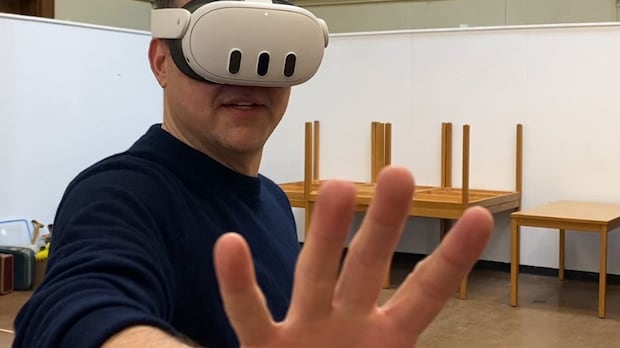
A new virtual reality (VR) experience aims to bring the works of William Shakespeare to life for high school students, enabling them to engage directly with the narratives of Hamlet and Macbeth. Developed by Peter Kuling, an associate professor of theatre studies at the University of Guelph, in collaboration with the Ottawa-based VR company Calian, the project provides an innovative educational tool designed to enhance students’ understanding and appreciation of Shakespeare’s plays.
Students don VR headsets to become part of the action, joining the witches in a cauldron scene from Macbeth or stepping into the shoes of the character Bernardo to encounter the ghost of King Hamlet. Kuling noted, “Wanting to be part of the story and really immersed in the story was what drove so much of this. VR really offers that opportunity to feel like you’re part of a story.” This immersive approach reflects a growing trend in education to utilize technology to foster engagement and curiosity among learners.
Transforming Shakespearean Education
The idea for this immersive experience emerged during the pandemic lockdown, as Kuling sought to create a more interactive way for students to engage with classic literature. The project, aptly named Shakespeare VR, has already garnered recognition, winning the 2025 Innovation of the Year Award from the University of Guelph for its creative educational approach.
Kuling’s vision is not only to tell Shakespeare’s stories but also to allow students to step directly into them. “The goal of this innovation is to make Shakespeare accessible and engaging by allowing students to step inside the story rather than just reading it as text,” he explained. Currently, segments from both Hamlet and Macbeth are available free of charge to educators in Ontario. Plans are underway to develop a third experience that will transport users inside the historic Globe Theatre in London.
The VR experience is designed to be succinct, with the Hamlet segment lasting approximately 15 minutes and the Macbeth segment around 26 minutes. Kuling believes these short experiences will spark students’ interest, encouraging them to delve deeper into the full texts or attend live performances.
Fostering Curiosity Through Interactive Learning
Lois Adamson, director of education at the Stratford Festival, praised the project for its potential to enhance student engagement. She commented, “What Peter is offering is the understanding that theatre is something that comes to life. When something comes to life in that way, it fosters curiosity, it fosters connection and a desire for further inquiry.”
This interactive format invites students to not just observe but participate, creating a unique educational experience that stands apart from traditional reading or theatre attendance. Kuling emphasized the importance of learning through play, stating, “You’re in the experience, you get to interact, you get to move, not a lot, but just enough to get you involved.”
Kuling’s innovative approach utilizes advanced technology, where character bodies are created with animated gestures, and actors’ faces are captured using high-definition cameras to map onto their VR avatars. This attention to detail enhances the realism of the experience, allowing students to feel truly immersed in Shakespeare’s world.
As Kuling promotes Shakespeare VR to schools in Ontario and beyond, he remains hopeful that this blend of education and entertainment will resonate with students. “I think we should all play more and make this part of our everyday learning experiences,” he said, highlighting the significant role of interactive learning in modern education.
This groundbreaking initiative represents a significant step towards making Shakespeare’s works more accessible and engaging for a new generation, transforming the way students interact with classic literature.

iShares Core Dividend Growth ETF Faces Challenges; Alternatives Suggested

Discover 7 Scenic Hikes Near Calgary to Explore This Spring

Scientists Uncover Life’s Building Blocks in Ryugu Asteroid Samples

Windsor-Essex Unveils New Action Plan to Combat Substance Use

Boost Your Business Visibility with These Local SEO Strategies

East Algoma OPP Urges Public to Limit Travel Amid Hazardous Conditions

Universities Must Rethink Failure to Support Student Growth

Canada Invests $6.4 Million to Boost Green Shipping Corridors

Stony Plain Secures 14th Consecutive Award for Financial Reporting Excellence

Rhythm Pharmaceuticals Reports Strong Q4 Growth Ahead of FDA Decision

Brandon University’s Failed $5 Million Project Sparks Oversight Review

Microsoft Confirms U.S. Law Overrules Canadian Data Sovereignty

Winnipeg Celebrates Culinary Creativity During Le Burger Week 2025

Discover Aritzia’s Latest Fashion Trends: A Comprehensive Review

New SĆIȺNEW̱ SṮEȽIṮḴEȽ Elementary Opens in Langford for 2025/2026 Year

EngineAI Unveils T800 Humanoid Robot, Setting New Industry Standards

Montreal’s Groupe Marcelle Leads Canadian Cosmetic Industry Growth

Tech Innovator Amandipp Singh Transforms Hiring for Disabled

Dragon Ball: Sparking! Zero Launching on Switch and Switch 2 This November

Digg Relaunches as Founders Kevin Rose and Alexis Ohanian Join Forces
-
 Education7 months ago
Brandon University’s Failed $5 Million Project Sparks Oversight Review
-
 Science8 months ago
Microsoft Confirms U.S. Law Overrules Canadian Data Sovereignty
-
 Lifestyle7 months ago
Winnipeg Celebrates Culinary Creativity During Le Burger Week 2025
-
 Lifestyle4 months ago
Discover Aritzia’s Latest Fashion Trends: A Comprehensive Review
-
 Education7 months ago
New SĆIȺNEW̱ SṮEȽIṮḴEȽ Elementary Opens in Langford for 2025/2026 Year
-
 Business4 months ago
EngineAI Unveils T800 Humanoid Robot, Setting New Industry Standards
-
 Health8 months ago
Montreal’s Groupe Marcelle Leads Canadian Cosmetic Industry Growth
-
 Science8 months ago
Tech Innovator Amandipp Singh Transforms Hiring for Disabled
-
 Technology8 months ago
Dragon Ball: Sparking! Zero Launching on Switch and Switch 2 This November
-
 Technology3 months ago
Digg Relaunches as Founders Kevin Rose and Alexis Ohanian Join Forces
-

 Lifestyle4 weeks ago
Canmore’s Le Fournil Bakery to Close After 14 Successful Years
-
 Top Stories4 months ago
Canadiens Eye Elias Pettersson: What It Would Cost to Acquire Him
-

 Health7 months ago
Eganville Leader to Close in 2026 After 123 Years of Reporting
-

 Education8 months ago
Red River College Launches New Programs to Address Industry Needs
-

 Top Stories4 months ago
Nicol Brothers Shine as Wheat Kings Dominate U18 AAA Hockey
-

 Business8 months ago
BNA Brewing to Open New Bowling Alley in Downtown Penticton
-

 Business7 months ago
Rocket Lab Reports Strong Q2 2025 Revenue Growth and Future Plans
-

 Education6 months ago
Alberta Petition Aims to Redirect Funds from Private to Public Schools
-

 Lifestyle5 months ago
Edmonton’s Beloved Evolution Wonderlounge Closes, New Era Begins
-

 Education8 months ago
Alberta Teachers’ Strike: Potential Impacts on Students and Families
-

 Technology8 months ago
Google Pixel 10 Pro Fold Specs Unveiled Ahead of Launch
-

 Technology6 months ago
Discord Faces Serious Security Breach Affecting Millions
-

 Business7 months ago
Iconic Golden Lion Restaurant in South Surrey to Close After 50 Years
-

 Science8 months ago
China’s Wukong Spacesuit Sets New Standard for AI in Space