
Science
Canada Can Become the World’s Food Basket by 2100

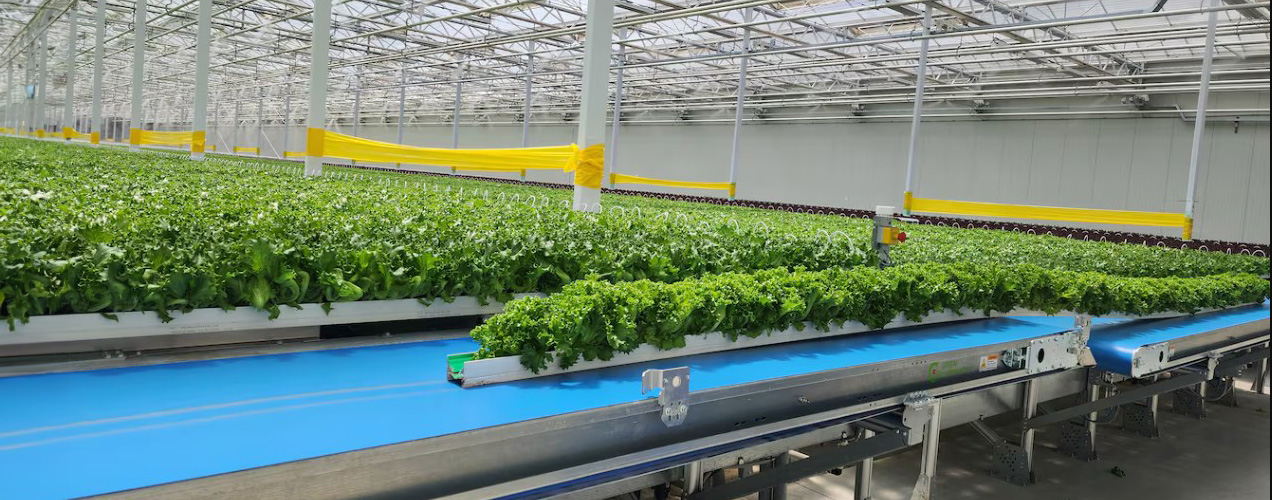
In a recent address at the World Economic Forum in Davos, Prime Minister Mark Carney underscored the urgent need for nations to ensure their self-sufficiency in food, energy, and defense. He stated, “A country that cannot feed itself, fuel itself or defend itself has few options.” This remark highlights a critical vulnerability for Canada, which relies heavily on imports for many of its fruits and vegetables, primarily from the United States.
The current geopolitical landscape, marked by tensions and shifting alliances, serves as a stark reminder of Canada’s precarious position. As international relationships evolve, the possibility of disruptions in food supply chains becomes increasingly real. With significant portions of food crossing U.S. borders, Canada could find itself in a vulnerable position should relations sour.
The implications of climate change further complicate the situation. According to research from the Arrell Food Institute and the University of the Fraser Valley, agricultural productivity in regions closer to the equator is expected to decline sharply by the end of the century. In contrast, Canada is poised to become one of the world’s leading food-producing countries, second only to Russia.
Canada’s Agricultural Potential Amid Global Challenges
The combination of rising global temperatures and increasing food insecurity presents a unique opportunity for Canada. The nation is endowed with vast freshwater resources and significant arable land, making it well-suited for agricultural expansion. By 2100, Canada could emerge as the world’s primary breadbasket, a position that could enhance its geopolitical significance.
Yet, this potential brings its own set of challenges. As the global food landscape changes, Canada must prepare for both opportunities and risks. The concerns regarding food security are already evident; approximately one in four Canadians experiences food insecurity. Current grassroots initiatives, such as food banks, struggle to meet the growing demand. This situation calls for immediate action to bolster Canada’s agricultural capacity.
Addressing these issues requires increased investment in agricultural research and innovation, which has lagged behind in recent years. Government funding for these initiatives has decreased significantly compared to other countries. The prevailing “food dividend,” akin to a “peace dividend” seen after geopolitical shifts, has fostered a false sense of security in food production.
Taking Action for a Sustainable Future
To harness its agricultural potential, Canada must articulate a bold vision. This could involve ambitious targets such as doubling the agricultural workforce, food production, and the economic contribution of agriculture. As global political instability and climate change challenge food systems worldwide, Canada has an opportunity to position itself as a leader in sustainable food production.
The time has come for Canada to develop comprehensive strategies that include enhancing trading partnerships, investing in scientific research, and improving agricultural infrastructure. By doing so, Canada can ensure its ability to feed not only its own population but also its allies, regardless of external pressures.
In conclusion, as the world faces unprecedented challenges, Canada stands at a crossroads. By recognizing and acting on its agricultural potential, Canada can secure its future and play a pivotal role in global food security. The need for decisive action is now more critical than ever.

iShares Core Dividend Growth ETF Faces Challenges; Alternatives Suggested

Discover 7 Scenic Hikes Near Calgary to Explore This Spring

Scientists Uncover Life’s Building Blocks in Ryugu Asteroid Samples

Windsor-Essex Unveils New Action Plan to Combat Substance Use

Boost Your Business Visibility with These Local SEO Strategies

East Algoma OPP Urges Public to Limit Travel Amid Hazardous Conditions

Universities Must Rethink Failure to Support Student Growth

Canada Invests $6.4 Million to Boost Green Shipping Corridors

Stony Plain Secures 14th Consecutive Award for Financial Reporting Excellence

Rhythm Pharmaceuticals Reports Strong Q4 Growth Ahead of FDA Decision

Brandon University’s Failed $5 Million Project Sparks Oversight Review

Microsoft Confirms U.S. Law Overrules Canadian Data Sovereignty

Winnipeg Celebrates Culinary Creativity During Le Burger Week 2025

Discover Aritzia’s Latest Fashion Trends: A Comprehensive Review

New SĆIȺNEW̱ SṮEȽIṮḴEȽ Elementary Opens in Langford for 2025/2026 Year

EngineAI Unveils T800 Humanoid Robot, Setting New Industry Standards

Montreal’s Groupe Marcelle Leads Canadian Cosmetic Industry Growth

Tech Innovator Amandipp Singh Transforms Hiring for Disabled

Dragon Ball: Sparking! Zero Launching on Switch and Switch 2 This November

Digg Relaunches as Founders Kevin Rose and Alexis Ohanian Join Forces
-
 Education7 months ago
Brandon University’s Failed $5 Million Project Sparks Oversight Review
-
 Science8 months ago
Microsoft Confirms U.S. Law Overrules Canadian Data Sovereignty
-
 Lifestyle7 months ago
Winnipeg Celebrates Culinary Creativity During Le Burger Week 2025
-
 Lifestyle4 months ago
Discover Aritzia’s Latest Fashion Trends: A Comprehensive Review
-
 Education8 months ago
New SĆIȺNEW̱ SṮEȽIṮḴEȽ Elementary Opens in Langford for 2025/2026 Year
-
 Business4 months ago
EngineAI Unveils T800 Humanoid Robot, Setting New Industry Standards
-
 Health8 months ago
Montreal’s Groupe Marcelle Leads Canadian Cosmetic Industry Growth
-
 Science8 months ago
Tech Innovator Amandipp Singh Transforms Hiring for Disabled
-
 Technology8 months ago
Dragon Ball: Sparking! Zero Launching on Switch and Switch 2 This November
-
 Technology3 months ago
Digg Relaunches as Founders Kevin Rose and Alexis Ohanian Join Forces
-

 Lifestyle4 weeks ago
Canmore’s Le Fournil Bakery to Close After 14 Successful Years
-
 Top Stories4 months ago
Canadiens Eye Elias Pettersson: What It Would Cost to Acquire Him
-

 Health7 months ago
Eganville Leader to Close in 2026 After 123 Years of Reporting
-

 Education8 months ago
Red River College Launches New Programs to Address Industry Needs
-

 Top Stories4 months ago
Nicol Brothers Shine as Wheat Kings Dominate U18 AAA Hockey
-

 Business8 months ago
BNA Brewing to Open New Bowling Alley in Downtown Penticton
-

 Business7 months ago
Rocket Lab Reports Strong Q2 2025 Revenue Growth and Future Plans
-

 Education6 months ago
Alberta Petition Aims to Redirect Funds from Private to Public Schools
-

 Lifestyle5 months ago
Edmonton’s Beloved Evolution Wonderlounge Closes, New Era Begins
-

 Education8 months ago
Alberta Teachers’ Strike: Potential Impacts on Students and Families
-

 Technology6 months ago
Discord Faces Serious Security Breach Affecting Millions
-

 Technology8 months ago
Google Pixel 10 Pro Fold Specs Unveiled Ahead of Launch
-

 Business7 months ago
Iconic Golden Lion Restaurant in South Surrey to Close After 50 Years
-

 Science8 months ago
China’s Wukong Spacesuit Sets New Standard for AI in Space