
Health
Saskatchewan Faces Shortage of Medical Radiation Technologists

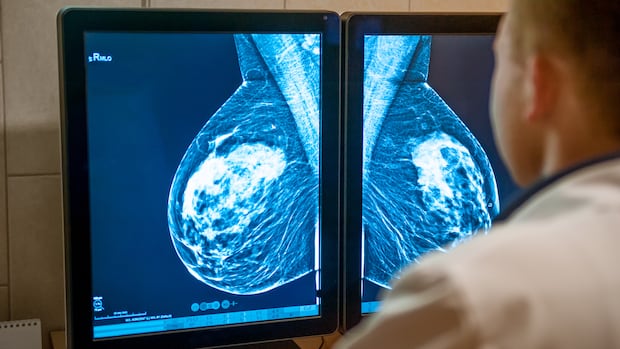
Saskatchewan is confronting a significant shortage of medical radiation technologists (MRTs), which is impacting the province’s ability to provide timely mammogram screenings. As demand for these services increases, advocates stress that recruiting more MRTs is crucial for reducing wait times for women seeking mammograms. The situation has garnered particular attention as the Ministry of Health implements a phased approach to lower the age qualification for mammogram bookings without a doctor’s referral from 50 to 40. Currently, women aged 43 and older are eligible, with plans to extend this to age 40 by June 2025.
Since January 2024, the Ministry has created nine full-time MRT positions outside the major urban centres of Saskatoon and Regina. These include two positions each in Moose Jaw and Weyburn, as well as additional roles in North Battleford, Prince Albert, Lloydminster, and Yorkton. However, four of these positions remain unfilled, prompting ongoing recruitment efforts in North Battleford, Moose Jaw, and Weyburn.
In an exclusive interview with CBC Saskatchewan on January 16, Health Minister Jeremy Cockrill emphasized the importance of these incentives for improving access to breast health services. “The more patients that we can keep in regional centres without needing to come to Regina or Saskatoon, obviously there’s the travel and inconvenience piece too, but having care as close to home as possible is so important for people,” he stated.
Despite these efforts, the province faces challenges with seven vacant part-time MRT positions located within Regina, Saskatoon, and the mobile mammogram unit.
High tuition costs at Saskatchewan Polytechnic are a significant barrier to recruitment. Dr. Dennis Kendel, a retired physician and health policy consultant, highlighted that the costs can deter potential students. He noted that the full MRT program at Saskatchewan Polytechnic costs approximately $33,660, the highest among comparable programs in western Canada. In contrast, the tuition for RRC Polytech in Manitoba is less than half that amount.
As of 2025, 27 students graduated from the MRT program at Saskatchewan Polytechnic, with 40 expected in 2026 and 50 set to graduate in 2027. The program currently has 90 seats, most of which are filled.
The Canadian Union of Public Employees (CUPE) Local 5430 president, Bashir Jalloh, expressed dissatisfaction with the recruitment progress made by the Ministry. “It is terrible… because instead of them trying to recruit for those positions, they are opting to contract it out to contract workers,” he said. Jalloh argued that the ministry should encourage Saskatchewan Polytechnic to expand its MRT training capacity, as many newly qualified MRTs are reluctant to work in rural communities due to lower wages and limited career opportunities.
Jalloh pointed out that starting salaries for MRTs in Saskatchewan fail to compete with those in neighbouring provinces, leading to a loss of talent. “An MRT who is entering today in Manitoba has a starting wage higher than my maximum after working [in Saskatchewan] for 20 years,” he stated. Many graduates leave the province to work in regions where they can earn higher wages, especially as they face significant student loan debt.
The Ministry of Health is also working to reduce wait times for mammogram screenings and biopsies. According to the ministry, the wait list for breast biopsies in Regina dropped dramatically from over 300 patients in 2025 to just 51 as of January 2, 2026. Cockrill highlighted that improved staffing has contributed to this reduction, making it easier for women to access crucial health services.
As Saskatchewan continues to navigate these challenges, Jalloh emphasized the urgent need for improved working conditions and retention strategies. He suggested that the Ministry should consider providing stipends for MRTs during their practicums, which would encourage graduates to commit to working in rural areas.
With the ongoing adjustments to mammography age qualifications and the pressing demand for screenings, the province’s ability to effectively recruit and retain MRTs will be pivotal in ensuring that women have timely access to necessary health services.

iShares Core Dividend Growth ETF Faces Challenges; Alternatives Suggested

Discover 7 Scenic Hikes Near Calgary to Explore This Spring

Scientists Uncover Life’s Building Blocks in Ryugu Asteroid Samples

Windsor-Essex Unveils New Action Plan to Combat Substance Use

Boost Your Business Visibility with These Local SEO Strategies

East Algoma OPP Urges Public to Limit Travel Amid Hazardous Conditions

Universities Must Rethink Failure to Support Student Growth

Canada Invests $6.4 Million to Boost Green Shipping Corridors

Stony Plain Secures 14th Consecutive Award for Financial Reporting Excellence

Rhythm Pharmaceuticals Reports Strong Q4 Growth Ahead of FDA Decision

Brandon University’s Failed $5 Million Project Sparks Oversight Review

Microsoft Confirms U.S. Law Overrules Canadian Data Sovereignty

Discover Aritzia’s Latest Fashion Trends: A Comprehensive Review

Winnipeg Celebrates Culinary Creativity During Le Burger Week 2025

New SĆIȺNEW̱ SṮEȽIṮḴEȽ Elementary Opens in Langford for 2025/2026 Year

EngineAI Unveils T800 Humanoid Robot, Setting New Industry Standards

Montreal’s Groupe Marcelle Leads Canadian Cosmetic Industry Growth

Tech Innovator Amandipp Singh Transforms Hiring for Disabled

Dragon Ball: Sparking! Zero Launching on Switch and Switch 2 This November

Digg Relaunches as Founders Kevin Rose and Alexis Ohanian Join Forces
-
 Education7 months ago
Brandon University’s Failed $5 Million Project Sparks Oversight Review
-
 Science8 months ago
Microsoft Confirms U.S. Law Overrules Canadian Data Sovereignty
-
 Lifestyle4 months ago
Discover Aritzia’s Latest Fashion Trends: A Comprehensive Review
-
 Lifestyle8 months ago
Winnipeg Celebrates Culinary Creativity During Le Burger Week 2025
-
 Education8 months ago
New SĆIȺNEW̱ SṮEȽIṮḴEȽ Elementary Opens in Langford for 2025/2026 Year
-
 Business4 months ago
EngineAI Unveils T800 Humanoid Robot, Setting New Industry Standards
-
 Health8 months ago
Montreal’s Groupe Marcelle Leads Canadian Cosmetic Industry Growth
-
 Science8 months ago
Tech Innovator Amandipp Singh Transforms Hiring for Disabled
-
 Technology8 months ago
Dragon Ball: Sparking! Zero Launching on Switch and Switch 2 This November
-
 Technology3 months ago
Digg Relaunches as Founders Kevin Rose and Alexis Ohanian Join Forces
-

 Lifestyle4 weeks ago
Canmore’s Le Fournil Bakery to Close After 14 Successful Years
-
 Top Stories4 months ago
Canadiens Eye Elias Pettersson: What It Would Cost to Acquire Him
-

 Health7 months ago
Eganville Leader to Close in 2026 After 123 Years of Reporting
-

 Education8 months ago
Red River College Launches New Programs to Address Industry Needs
-

 Top Stories4 months ago
Nicol Brothers Shine as Wheat Kings Dominate U18 AAA Hockey
-

 Business8 months ago
BNA Brewing to Open New Bowling Alley in Downtown Penticton
-

 Business7 months ago
Rocket Lab Reports Strong Q2 2025 Revenue Growth and Future Plans
-

 Lifestyle5 months ago
Edmonton’s Beloved Evolution Wonderlounge Closes, New Era Begins
-

 Education6 months ago
Alberta Petition Aims to Redirect Funds from Private to Public Schools
-

 Education8 months ago
Alberta Teachers’ Strike: Potential Impacts on Students and Families
-

 Technology6 months ago
Discord Faces Serious Security Breach Affecting Millions
-

 Technology8 months ago
Google Pixel 10 Pro Fold Specs Unveiled Ahead of Launch
-

 Business8 months ago
Iconic Golden Lion Restaurant in South Surrey to Close After 50 Years
-

 Lifestyle6 months ago
Canadian Author Secures Funding to Write Book Without Financial Strain