
Education
Ottawa-Carleton School Board Faces $14.4 Million Budget Shortfall

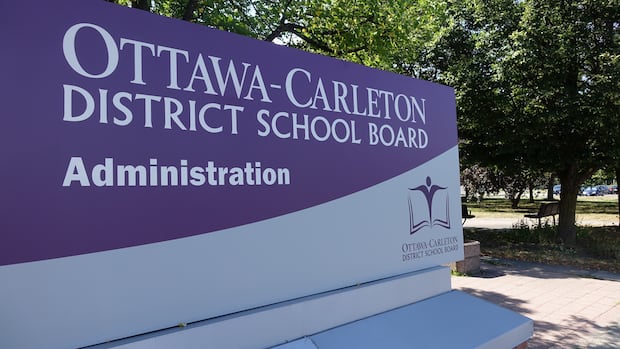
The Ottawa-Carleton District School Board (OCDSB) is grappling with a significant budget deficit, with a shortfall now estimated at $14.4 million for the 2025-2026 school year. Bob Plamondon, the provincial supervisor appointed to oversee the board, addressed this issue during a meeting of the Special Education Advisory Committee (SEAC) on Wednesday. His comments followed a grim financial report from board finance staff, revealing a more severe fiscal situation than previously anticipated.
This latest deficit surpasses the $10.3 million gap forecasted when trustees approved the budget in June 2025. In response to ongoing financial challenges, the provincial government placed the OCDSB under supervision, appointing Plamondon to replace the elected trustees. Education Minister Paul Calandra attributed this decision to what he described as financial mismanagement, citing consecutive years of deficits that have depleted the board’s reserves.
Plamondon has initiated a thorough review of all board expenditures to work towards a balanced budget. However, he has not specified a timeline for achieving this balance. The final budget deficit for the previous 2024-2025 school year stood at $5.4 million, indicating the broader financial difficulties facing the board. According to finance general manager Derek McMaster, without one-time revenues to mitigate losses, the overall deficit could have reached close to $20 million.
Challenges Ahead for Special Education Funding
During the SEAC meeting, Plamondon emphasized that addressing this budget gap will require time and strategic planning. He stated, “We are ultimately looking to balance our budget but it’s not going to happen, I don’t think, in the very near term because we’re starting with a $20 million hole that we have to work our way out of.”
As the OCDSB prepares for the upcoming 2026-2027 school year, Plamondon highlighted the importance of presenting a “credible, complete, honest budget.” The coming months will be critical for determining whether the board can achieve balance within a year or if it will take longer.
The OCDSB’s special education budget, valued at $163 million, constitutes approximately 13 percent of the overall operating budget of $1.2 billion. Special education has consistently faced funding shortfalls, with the previous fiscal year reporting an excess of expenditures over revenues by $8.1 million. McMaster noted that this gap could have been even larger without utilizing deferred revenue to cover part of the shortfall.
Kate Stoudt, superintendent of learning support services, remarked that these funding issues are common among school boards across Ontario. “The reality is that we are overspending in special education based on our current formula,” she stated, underscoring the systemic challenges facing the board.
Concerns Over Funding Allocation
SEAC member Anthony Wong raised questions about the source of the funds needed to bridge the special education gap, expressing concerns that financial burdens could shift to other student programs. Plamondon reassured parents that special education would be the last area he would consider for cuts, emphasizing the critical needs of the most vulnerable students.
In response to ongoing budget discussions, board spokesperson Diane Pernari affirmed the board’s commitment to developing a balanced budget for the 2026-2027 fiscal year. The board is actively reviewing all service delivery models to ensure efficient use of resources while achieving optimal outcomes for students.
Former trustee Donna Blackburn, who was sidelined by the province in June, criticized the government’s decision to appoint Plamondon, questioning the effectiveness of his role in addressing the budget crisis. Blackburn described the special education shortfall as “substantial,” asserting that the funding envelope provided by the province is “woefully underfunded.”
She expressed skepticism about Plamondon’s ability to balance the budget and highlighted concerns regarding the high compensation for his position, which can reach $350,000 annually. Blackburn characterized the assertion of mismanagement as a “complete and total fabrication,” suggesting the takeover was politically motivated rather than financially necessary.
The OCDSB has declined requests for interviews with Plamondon or other officials regarding the budget situation. Pernari stated that media interviews fall outside the mandate of supervisors, which Blackburn argues undermines accountability. As the board navigates these financial challenges, the importance of transparency and communication with the community remains a critical concern.

Multiple Pistachio Products Recalled Due to Salmonella Risk

Research Initiative Uncovers History of Youville Residential School

Three-Bedroom Home in Algonquin Sells for $380,000

Newman Central Catholic Reveals First-Semester Honor Roll Achievers

Young Canadians Struggle to Find Jobs Amid Economic Shifts

Sidney/North Saanich RCMP Alert Residents to Asphalt Paving Scam

Evander Kane Demoted to Fourth Line as Canucks Adjust Forward Lines

Discover the Art of Beading at Upcoming Workshop in Fort William

St. Charles Home Sold for $720,000 on December 31, 2025

100 Women Who Care Foothills Marks 10 Years of Charitable Impact

Brandon University’s Failed $5 Million Project Sparks Oversight Review

Microsoft Confirms U.S. Law Overrules Canadian Data Sovereignty

Winnipeg Celebrates Culinary Creativity During Le Burger Week 2025

Montreal’s Groupe Marcelle Leads Canadian Cosmetic Industry Growth

Tech Innovator Amandipp Singh Transforms Hiring for Disabled

Dragon Ball: Sparking! Zero Launching on Switch and Switch 2 This November

New SĆIȺNEW̱ SṮEȽIṮḴEȽ Elementary Opens in Langford for 2025/2026 Year

Red River College Launches New Programs to Address Industry Needs

Rocket Lab Reports Strong Q2 2025 Revenue Growth and Future Plans

Google Pixel 10 Pro Fold Specs Unveiled Ahead of Launch
-
 Education4 months ago
Brandon University’s Failed $5 Million Project Sparks Oversight Review
-
 Science5 months ago
Microsoft Confirms U.S. Law Overrules Canadian Data Sovereignty
-
 Lifestyle4 months ago
Winnipeg Celebrates Culinary Creativity During Le Burger Week 2025
-
 Health5 months ago
Montreal’s Groupe Marcelle Leads Canadian Cosmetic Industry Growth
-
 Science5 months ago
Tech Innovator Amandipp Singh Transforms Hiring for Disabled
-
 Technology5 months ago
Dragon Ball: Sparking! Zero Launching on Switch and Switch 2 This November
-
 Education5 months ago
New SĆIȺNEW̱ SṮEȽIṮḴEȽ Elementary Opens in Langford for 2025/2026 Year
-
 Education5 months ago
Red River College Launches New Programs to Address Industry Needs
-
 Business4 months ago
Rocket Lab Reports Strong Q2 2025 Revenue Growth and Future Plans
-
 Technology5 months ago
Google Pixel 10 Pro Fold Specs Unveiled Ahead of Launch
-
 Top Stories4 weeks ago
Canadiens Eye Elias Pettersson: What It Would Cost to Acquire Him
-

 Technology3 months ago
Discord Faces Serious Security Breach Affecting Millions
-

 Education5 months ago
Alberta Teachers’ Strike: Potential Impacts on Students and Families
-

 Business5 months ago
BNA Brewing to Open New Bowling Alley in Downtown Penticton
-

 Business1 month ago
EngineAI Unveils T800 Humanoid Robot, Setting New Industry Standards
-

 Science5 months ago
China’s Wukong Spacesuit Sets New Standard for AI in Space
-

 Lifestyle3 months ago
Canadian Author Secures Funding to Write Book Without Financial Strain
-

 Business5 months ago
New Estimates Reveal ChatGPT-5 Energy Use Could Soar
-

 Business5 months ago
Dawson City Residents Rally Around Buy Canadian Movement
-

 Business3 months ago
Hydro-Québec Espionage Trial Exposes Internal Oversight Failures
-

 Technology5 months ago
Future Entertainment Launches DDoD with Gameplay Trailer Showcase
-

 Top Stories4 months ago
Blue Jays Shift José Berríos to Bullpen Ahead of Playoffs
-

 Technology5 months ago
World of Warcraft Players Buzz Over 19-Quest Bee Challenge
-

 Technology3 months ago
Huawei MatePad 12X Redefines Tablet Experience for Professionals