
Top Stories
Yen Gains as Japan Signals Potential Currency Intervention

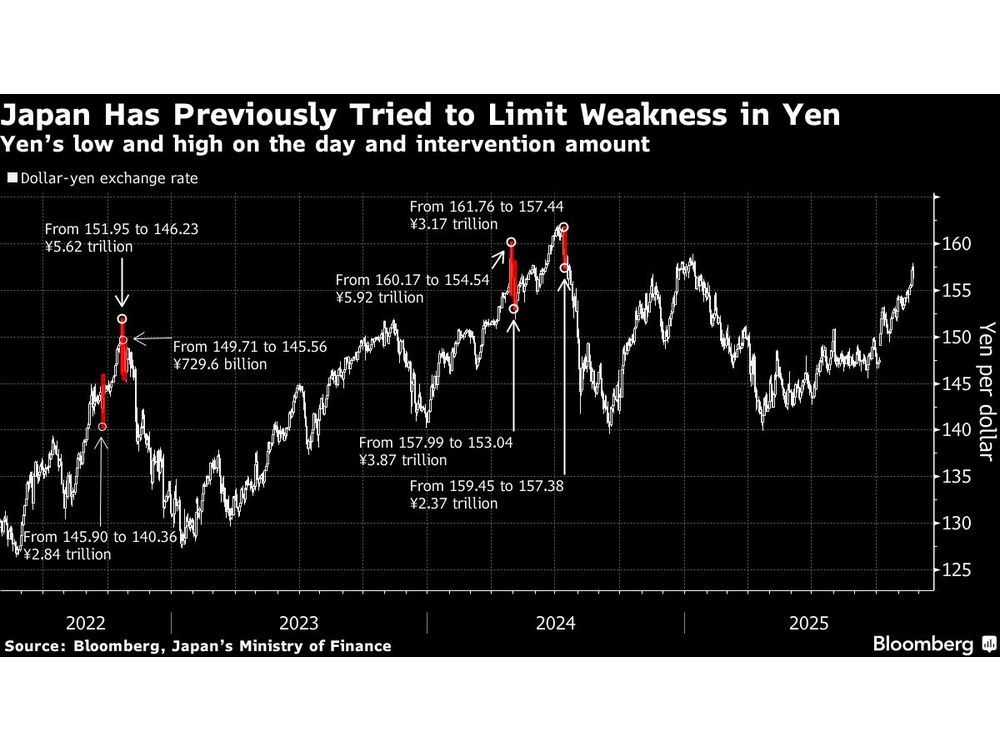
The Japanese yen strengthened significantly against the US dollar, gaining up to 1.2% and reaching 153.81 per dollar, its highest value since mid-November. This rise follows a warning from Prime Minister Sanae Takaichi, which heightened speculation regarding potential intervention by Japanese authorities in the foreign exchange market. The currency’s recent rally comes amid indications that the United States may collaborate with Japan to stabilize the yen.
Japanese stocks faced pressure as the Nikkei 225 Stock Average fell 1.8%, while most government bonds showed gains. Speaking at a regular briefing on Monday, Chief Cabinet Secretary Minoru Kihara emphasized Japan’s intention to coordinate closely with the US, adhering to a joint agreement made by finance ministers last September. His remarks were supported by Satsuki Katayama, Japan’s Finance Minister, who noted the urgency of monitoring currency fluctuations.
Market Dynamics and Government Responses
While Takaichi mentioned that it was not her role as prime minister to influence market decisions, Katayama affirmed that Japan remains prepared to take necessary actions, including possible intervention. Takaichi expressed on Sunday that the government would implement all required measures to counter speculative and abnormal market movements. A stronger yen could alleviate imported inflation pressures, particularly on essential goods like food and energy, which have become significant concerns for households across Japan.
Traders have reported that the Federal Reserve Bank of New York contacted financial institutions to assess the yen’s exchange rate. This communication, coupled with the close interactions between Katayama and US Treasury Secretary Scott Bessent, suggests the possibility of coordinated intervention. According to Masahiko Loo, a senior fixed-income strategist at State Street Investment Management, historical precedents show that rate checks often precede intervention actions.
The yen’s recent recovery marks a stunning reversal, strengthening by over five yen against the dollar just days after a period of weakness. It has gained nearly 3% in two trading sessions, the most significant increase since April of the previous year. Analysts note that the signals from Japanese authorities are not aimed at defending specific exchange levels but rather at indicating that disorderly market movements could trigger decisive responses.
Implications for Global Markets
The yen’s appreciation has also impacted the US dollar, contributing to a rise in several emerging market currencies, including the South Korean won and the Singapore dollar. The ongoing discussions of potential coordinated action between the US and Japan evoke memories of the Plaza Accord, a landmark agreement from 1985 that effectively devalued the dollar. Analysts suggest that the US has intervened in currency markets only three times since 1996, with the most recent instance occurring in response to the 2011 earthquake in Japan.
As Japan prepares for an unexpected election on February 8, 2024, Takaichi’s proposals to cut taxes on food have caused significant ripples in the debt market. The surge in long-term bond yields has reached levels not seen in over three decades. In light of this, experts argue that any genuine attempt to stabilize the USD/JPY exchange rate must be followed through with actual intervention to avoid further speculative pressures.
In summary, the recent strengthening of the yen highlights the delicate balance Japan must maintain between domestic economic stability and international currency dynamics. As market participants closely monitor developments, the potential for coordinated action between Japan and the US could reshape the landscape of global finance in the coming weeks.

iShares Core Dividend Growth ETF Faces Challenges; Alternatives Suggested

Discover 7 Scenic Hikes Near Calgary to Explore This Spring

Scientists Uncover Life’s Building Blocks in Ryugu Asteroid Samples

Windsor-Essex Unveils New Action Plan to Combat Substance Use

Boost Your Business Visibility with These Local SEO Strategies

East Algoma OPP Urges Public to Limit Travel Amid Hazardous Conditions

Universities Must Rethink Failure to Support Student Growth

Canada Invests $6.4 Million to Boost Green Shipping Corridors

Stony Plain Secures 14th Consecutive Award for Financial Reporting Excellence

Rhythm Pharmaceuticals Reports Strong Q4 Growth Ahead of FDA Decision

Brandon University’s Failed $5 Million Project Sparks Oversight Review

Microsoft Confirms U.S. Law Overrules Canadian Data Sovereignty

Winnipeg Celebrates Culinary Creativity During Le Burger Week 2025

Discover Aritzia’s Latest Fashion Trends: A Comprehensive Review

New SĆIȺNEW̱ SṮEȽIṮḴEȽ Elementary Opens in Langford for 2025/2026 Year

EngineAI Unveils T800 Humanoid Robot, Setting New Industry Standards

Montreal’s Groupe Marcelle Leads Canadian Cosmetic Industry Growth

Tech Innovator Amandipp Singh Transforms Hiring for Disabled

Dragon Ball: Sparking! Zero Launching on Switch and Switch 2 This November

Digg Relaunches as Founders Kevin Rose and Alexis Ohanian Join Forces
-
 Education7 months ago
Brandon University’s Failed $5 Million Project Sparks Oversight Review
-
 Science8 months ago
Microsoft Confirms U.S. Law Overrules Canadian Data Sovereignty
-
 Lifestyle7 months ago
Winnipeg Celebrates Culinary Creativity During Le Burger Week 2025
-
 Lifestyle4 months ago
Discover Aritzia’s Latest Fashion Trends: A Comprehensive Review
-
 Education8 months ago
New SĆIȺNEW̱ SṮEȽIṮḴEȽ Elementary Opens in Langford for 2025/2026 Year
-
 Business4 months ago
EngineAI Unveils T800 Humanoid Robot, Setting New Industry Standards
-
 Health8 months ago
Montreal’s Groupe Marcelle Leads Canadian Cosmetic Industry Growth
-
 Science8 months ago
Tech Innovator Amandipp Singh Transforms Hiring for Disabled
-
 Technology8 months ago
Dragon Ball: Sparking! Zero Launching on Switch and Switch 2 This November
-
 Technology3 months ago
Digg Relaunches as Founders Kevin Rose and Alexis Ohanian Join Forces
-

 Lifestyle4 weeks ago
Canmore’s Le Fournil Bakery to Close After 14 Successful Years
-
 Top Stories4 months ago
Canadiens Eye Elias Pettersson: What It Would Cost to Acquire Him
-

 Health7 months ago
Eganville Leader to Close in 2026 After 123 Years of Reporting
-

 Education8 months ago
Red River College Launches New Programs to Address Industry Needs
-

 Business8 months ago
BNA Brewing to Open New Bowling Alley in Downtown Penticton
-

 Top Stories4 months ago
Nicol Brothers Shine as Wheat Kings Dominate U18 AAA Hockey
-

 Business7 months ago
Rocket Lab Reports Strong Q2 2025 Revenue Growth and Future Plans
-

 Education6 months ago
Alberta Petition Aims to Redirect Funds from Private to Public Schools
-

 Lifestyle5 months ago
Edmonton’s Beloved Evolution Wonderlounge Closes, New Era Begins
-

 Education8 months ago
Alberta Teachers’ Strike: Potential Impacts on Students and Families
-

 Technology6 months ago
Discord Faces Serious Security Breach Affecting Millions
-

 Technology8 months ago
Google Pixel 10 Pro Fold Specs Unveiled Ahead of Launch
-

 Business8 months ago
Iconic Golden Lion Restaurant in South Surrey to Close After 50 Years
-

 Lifestyle6 months ago
Canadian Author Secures Funding to Write Book Without Financial Strain