
Top Stories
US Airstrikes Target Islamic State Militants in Nigeria’s Northwest

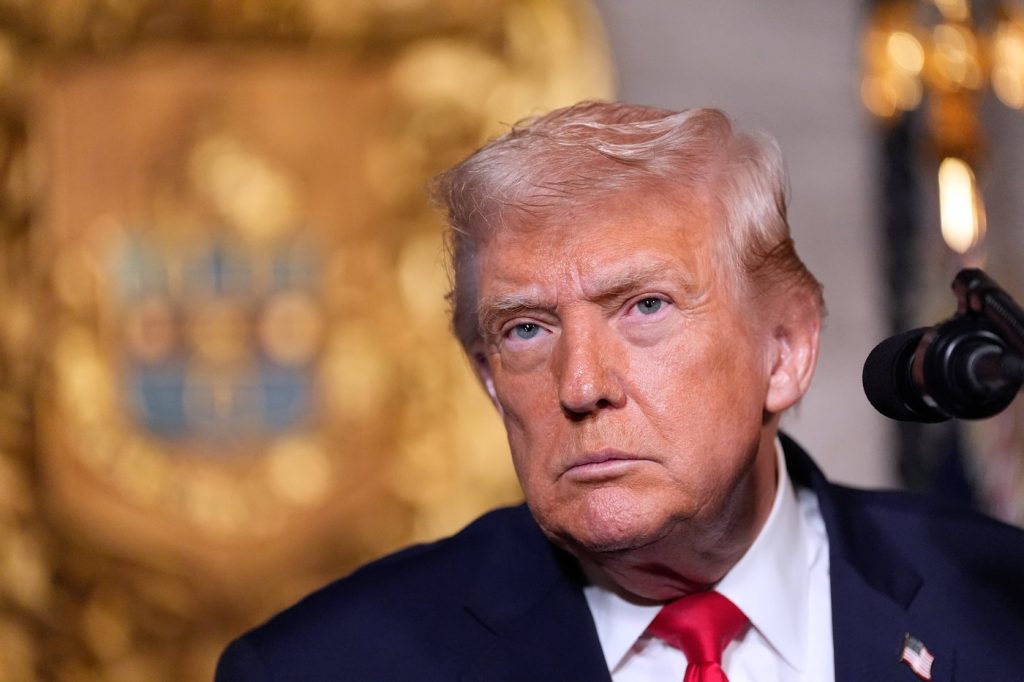
The recent airstrikes conducted by the United States against Islamic State militants in northwestern Nigeria signify a significant escalation in the ongoing battle against insurgents. On March 14, 2024, U.S. President Donald Trump announced on social media that the strikes were aimed at militants responsible for the “vicious” killings of innocent civilians, primarily targeting Christians. However, analysts emphasize that the security crisis in Nigeria affects both Christians and Muslims, with violence impacting communities across the nation.
The airstrikes were part of a coordinated intelligence effort between the U.S. and Nigeria, as the latter continues to grapple with multiple armed groups. The specific impact of the strikes remains unverified by independent sources. U.S. Defense Secretary Pete Hegseth hinted at additional actions to come, stating, “More to come…” in a post on X.
Understanding the Militants Targeted
Nigeria faces a complex security landscape with at least two groups linked to the Islamic State. The most notable is the Islamic State West Africa Province (ISWAP), which emerged from the extremist group Boko Haram in the northeast. Additionally, the lesser-known Islamic State Sahel Province (ISSP), operating under the local name Lakurawa, has gained notoriety in the northwest.
While officials did not specify which group was targeted in the airstrikes, analysts suggest that the operation likely focused on Lakurawa. This group has become increasingly lethal, particularly in border areas like Sokoto and Kebbi, frequently attacking remote communities and security forces. The Nigerian military has previously stated that Lakurawa has connections to militants in neighboring Niger and has become more active following a military coup in Niger in 2023, which strained relations and disrupted joint military operations.
Impact of Militants on Local Communities
Lakurwa’s presence in northwestern Nigeria can be traced back to around 2017 when they were invited by local authorities to provide security against banditry. However, their role has drastically changed, leading to increased violence and oppression. According to James Barnett, an Africa researcher at the Hudson Institute, communities now view Lakurawa as more dangerous than the bandits they initially sought to combat.
Researcher Malik Samuel from Good Governance Africa echoed this sentiment, noting that the group has enforced a strict interpretation of sharia law, resulting in widespread fear and alienation among the rural population. The militants have expanded their operations, committing acts of murder, kidnapping, and robbery. Some attacks attributed to Lakurawa may actually involve the ISSP, which has been quietly integrating itself along the Niger-Nigeria border and extending operations toward Benin.
The root causes of Nigeria’s insecurity extend beyond military engagement. Analysts highlight governance issues, noting that many attacks stem from a lack of state presence in conflict-prone areas. These regions often experience high levels of poverty and unemployment, facilitating recruitment into militant groups. Nigeria’s Minister of Defense, Christopher Musa, has previously indicated that military actions alone are insufficient, stating that only 30% of the solution lies in military intervention; the remaining 70% hinges on effective governance.
The absence of strong state authority in remote communities allows non-state actors to fill the void, presenting themselves as alternative forms of governance. This situation complicates efforts to restore security and stability.
U.S. Support for Nigerian Forces
The U.S. airstrikes are viewed as a crucial support mechanism for Nigeria’s military, which often finds itself overwhelmed and outmatched in the fight against various security threats. In states like Sokoto, the military has conducted airstrikes targeting militant hideouts and has initiated mass recruitment efforts to bolster its ranks.
Despite these efforts, analysts warn that military operations against these groups are frequently unsustained. The mobility of militants, who often travel on motorcycles through expansive forested areas, complicates the situation. Additionally, militants have been known to use hostages, including schoolchildren, as human shields, making targeted airstrikes a challenging endeavor.
As Nigeria continues to confront its multifaceted security crisis, the need for comprehensive strategies that combine military action with improved governance becomes increasingly apparent. The recent U.S. airstrikes may provide a temporary tactical advantage, but lasting solutions will require addressing the underlying issues contributing to the country’s instability.

iShares Core Dividend Growth ETF Faces Challenges; Alternatives Suggested

Discover 7 Scenic Hikes Near Calgary to Explore This Spring

Scientists Uncover Life’s Building Blocks in Ryugu Asteroid Samples

Windsor-Essex Unveils New Action Plan to Combat Substance Use

Boost Your Business Visibility with These Local SEO Strategies

East Algoma OPP Urges Public to Limit Travel Amid Hazardous Conditions

Universities Must Rethink Failure to Support Student Growth

Canada Invests $6.4 Million to Boost Green Shipping Corridors

Stony Plain Secures 14th Consecutive Award for Financial Reporting Excellence

Rhythm Pharmaceuticals Reports Strong Q4 Growth Ahead of FDA Decision

Brandon University’s Failed $5 Million Project Sparks Oversight Review

Microsoft Confirms U.S. Law Overrules Canadian Data Sovereignty

Discover Aritzia’s Latest Fashion Trends: A Comprehensive Review

Winnipeg Celebrates Culinary Creativity During Le Burger Week 2025

New SĆIȺNEW̱ SṮEȽIṮḴEȽ Elementary Opens in Langford for 2025/2026 Year

EngineAI Unveils T800 Humanoid Robot, Setting New Industry Standards

Montreal’s Groupe Marcelle Leads Canadian Cosmetic Industry Growth

Tech Innovator Amandipp Singh Transforms Hiring for Disabled

Canmore’s Le Fournil Bakery to Close After 14 Successful Years

Dragon Ball: Sparking! Zero Launching on Switch and Switch 2 This November
-
 Education8 months ago
Brandon University’s Failed $5 Million Project Sparks Oversight Review
-
 Science9 months ago
Microsoft Confirms U.S. Law Overrules Canadian Data Sovereignty
-
 Lifestyle4 months ago
Discover Aritzia’s Latest Fashion Trends: A Comprehensive Review
-
 Lifestyle8 months ago
Winnipeg Celebrates Culinary Creativity During Le Burger Week 2025
-
 Education8 months ago
New SĆIȺNEW̱ SṮEȽIṮḴEȽ Elementary Opens in Langford for 2025/2026 Year
-
 Business5 months ago
EngineAI Unveils T800 Humanoid Robot, Setting New Industry Standards
-
 Health9 months ago
Montreal’s Groupe Marcelle Leads Canadian Cosmetic Industry Growth
-
 Science9 months ago
Tech Innovator Amandipp Singh Transforms Hiring for Disabled
-
 Lifestyle2 months ago
Canmore’s Le Fournil Bakery to Close After 14 Successful Years
-
 Technology9 months ago
Dragon Ball: Sparking! Zero Launching on Switch and Switch 2 This November
-

 Technology4 months ago
Digg Relaunches as Founders Kevin Rose and Alexis Ohanian Join Forces
-
 Top Stories5 months ago
Canadiens Eye Elias Pettersson: What It Would Cost to Acquire Him
-

 Health7 months ago
Eganville Leader to Close in 2026 After 123 Years of Reporting
-

 Lifestyle6 months ago
Edmonton’s Beloved Evolution Wonderlounge Closes, New Era Begins
-

 Education9 months ago
Red River College Launches New Programs to Address Industry Needs
-

 Top Stories5 months ago
Nicol Brothers Shine as Wheat Kings Dominate U18 AAA Hockey
-

 Business9 months ago
BNA Brewing to Open New Bowling Alley in Downtown Penticton
-

 Business8 months ago
Rocket Lab Reports Strong Q2 2025 Revenue Growth and Future Plans
-

 Education6 months ago
Alberta Petition Aims to Redirect Funds from Private to Public Schools
-

 Education9 months ago
Alberta Teachers’ Strike: Potential Impacts on Students and Families
-

 Technology7 months ago
Discord Faces Serious Security Breach Affecting Millions
-

 Technology9 months ago
Google Pixel 10 Pro Fold Specs Unveiled Ahead of Launch
-
 Education5 months ago
ʔaq̓am Education Law Enacted, Affirming Self-Governance Rights
-

 Business8 months ago
Iconic Golden Lion Restaurant in South Surrey to Close After 50 Years