
Top Stories
TEPCO Shuts Down Reactor Hours After Restart at Fukushima Plant

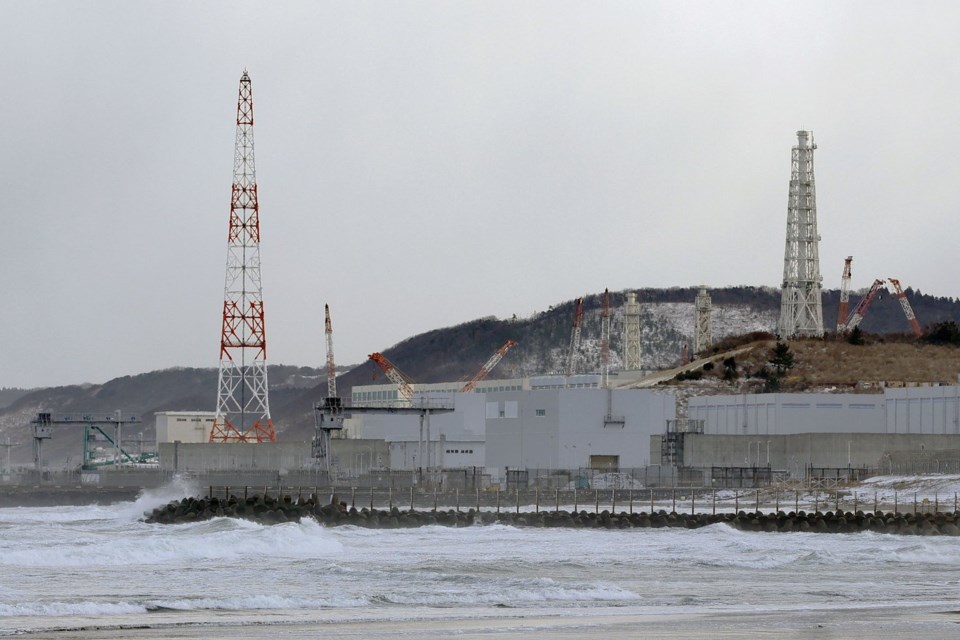
A reactor at the Fukushima Daiichi Nuclear Power Plant, operated by Tokyo Electric Power Company (TEPCO), was shut down just hours after it was restarted on March 14, 2024. This marked the first time the reactor had been online since the catastrophic events of the 2011 Fukushima nuclear disaster.
The shutdown occurred due to a technical glitch that was detected shortly after the reactor resumed operations. TEPCO reported that the issue did not pose an immediate safety risk, but the company decided to halt operations as a precautionary measure. The reactor had undergone extensive safety checks prior to its restart, and the failure was unexpected.
Background of the Restart
The restart of the reactor was part of Japan’s broader strategy to increase its reliance on nuclear energy following the 2011 disaster, which severely impacted the country’s energy policy. The incident led to widespread public concerns about nuclear safety and prompted a significant reduction in nuclear power usage across Japan.
In recent years, the government has sought to reintegrate nuclear energy into its energy mix to address energy security and climate goals. The reactor’s restart was seen as a crucial step in this ongoing effort. TEPCO had invested significantly in upgrades and safety protocols to ensure compliance with new regulatory standards.
Public response to the restart has remained mixed. While some view it as a necessary move towards energy independence, others are deeply concerned about the potential risks associated with nuclear power, especially in light of past experiences.
Implications of the Shutdown
The unexpected shutdown raises questions regarding the reliability of the plant and the overall nuclear energy strategy in Japan. TEPCO has stated that it will conduct thorough investigations to identify the cause of the glitch and determine necessary remedial measures before resuming operations.
Analysts suggest that the incident could further complicate Japan’s efforts to revive its nuclear sector. The timeline for the reactor’s return to service remains uncertain, and TEPCO has not provided a specific date for when the reactor might be operational again.
The situation highlights the challenges that Japan faces in balancing energy needs and public safety. As the country navigates its energy future, the events at the Fukushima plant will likely remain in the spotlight, influencing ongoing debates about nuclear energy’s role in Japan’s energy landscape.
In conclusion, the shutdown of the reactor at the Fukushima Daiichi Nuclear Power Plant underscores the ongoing complexities surrounding nuclear power in Japan. As TEPCO works to address the technical issues, the incident serves as a reminder of the delicate balance between energy production and safety in the wake of past nuclear disasters.

iShares Core Dividend Growth ETF Faces Challenges; Alternatives Suggested

Discover 7 Scenic Hikes Near Calgary to Explore This Spring

Scientists Uncover Life’s Building Blocks in Ryugu Asteroid Samples

Windsor-Essex Unveils New Action Plan to Combat Substance Use

Boost Your Business Visibility with These Local SEO Strategies

East Algoma OPP Urges Public to Limit Travel Amid Hazardous Conditions

Universities Must Rethink Failure to Support Student Growth

Canada Invests $6.4 Million to Boost Green Shipping Corridors

Stony Plain Secures 14th Consecutive Award for Financial Reporting Excellence

Rhythm Pharmaceuticals Reports Strong Q4 Growth Ahead of FDA Decision

Brandon University’s Failed $5 Million Project Sparks Oversight Review

Microsoft Confirms U.S. Law Overrules Canadian Data Sovereignty

Winnipeg Celebrates Culinary Creativity During Le Burger Week 2025

Discover Aritzia’s Latest Fashion Trends: A Comprehensive Review

New SĆIȺNEW̱ SṮEȽIṮḴEȽ Elementary Opens in Langford for 2025/2026 Year

EngineAI Unveils T800 Humanoid Robot, Setting New Industry Standards

Montreal’s Groupe Marcelle Leads Canadian Cosmetic Industry Growth

Tech Innovator Amandipp Singh Transforms Hiring for Disabled

Dragon Ball: Sparking! Zero Launching on Switch and Switch 2 This November

Digg Relaunches as Founders Kevin Rose and Alexis Ohanian Join Forces
-
 Education7 months ago
Brandon University’s Failed $5 Million Project Sparks Oversight Review
-
 Science8 months ago
Microsoft Confirms U.S. Law Overrules Canadian Data Sovereignty
-
 Lifestyle7 months ago
Winnipeg Celebrates Culinary Creativity During Le Burger Week 2025
-
 Lifestyle4 months ago
Discover Aritzia’s Latest Fashion Trends: A Comprehensive Review
-
 Education7 months ago
New SĆIȺNEW̱ SṮEȽIṮḴEȽ Elementary Opens in Langford for 2025/2026 Year
-
 Business4 months ago
EngineAI Unveils T800 Humanoid Robot, Setting New Industry Standards
-
 Health8 months ago
Montreal’s Groupe Marcelle Leads Canadian Cosmetic Industry Growth
-
 Science8 months ago
Tech Innovator Amandipp Singh Transforms Hiring for Disabled
-
 Technology8 months ago
Dragon Ball: Sparking! Zero Launching on Switch and Switch 2 This November
-
 Technology3 months ago
Digg Relaunches as Founders Kevin Rose and Alexis Ohanian Join Forces
-
 Top Stories4 months ago
Canadiens Eye Elias Pettersson: What It Would Cost to Acquire Him
-

 Lifestyle4 weeks ago
Canmore’s Le Fournil Bakery to Close After 14 Successful Years
-

 Health7 months ago
Eganville Leader to Close in 2026 After 123 Years of Reporting
-

 Education8 months ago
Red River College Launches New Programs to Address Industry Needs
-

 Top Stories4 months ago
Nicol Brothers Shine as Wheat Kings Dominate U18 AAA Hockey
-

 Business7 months ago
Rocket Lab Reports Strong Q2 2025 Revenue Growth and Future Plans
-

 Business8 months ago
BNA Brewing to Open New Bowling Alley in Downtown Penticton
-

 Education6 months ago
Alberta Petition Aims to Redirect Funds from Private to Public Schools
-

 Education8 months ago
Alberta Teachers’ Strike: Potential Impacts on Students and Families
-

 Lifestyle5 months ago
Edmonton’s Beloved Evolution Wonderlounge Closes, New Era Begins
-

 Technology6 months ago
Discord Faces Serious Security Breach Affecting Millions
-

 Technology8 months ago
Google Pixel 10 Pro Fold Specs Unveiled Ahead of Launch
-

 Business7 months ago
Iconic Golden Lion Restaurant in South Surrey to Close After 50 Years
-

 Science8 months ago
China’s Wukong Spacesuit Sets New Standard for AI in Space