
Top Stories
Canada-China Canola Deal Limited by Steel Tariffs, Says Minister

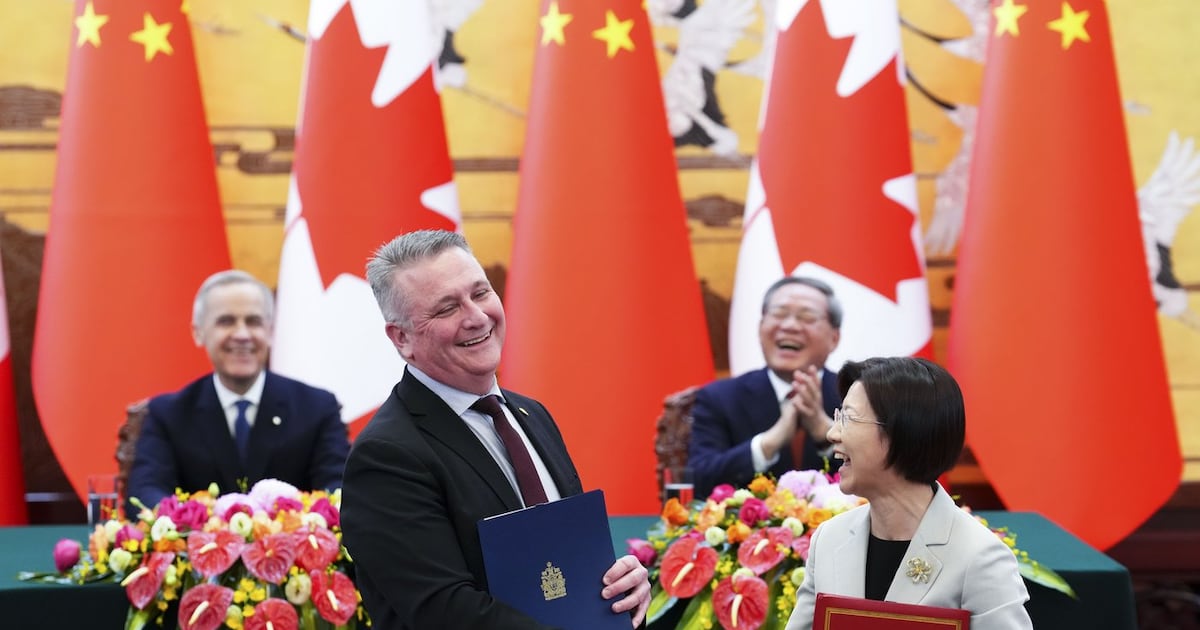
Negotiations between Canada and China regarding canola tariffs were hampered by ongoing anti-dumping duties on Chinese steel, according to Canada’s Agriculture and Agri-Food Minister, Heath MacDonald. During Prime Minister Mark Carney‘s recent trip to China, a five-year agreement was reached that allows China access to the Canadian electric vehicle market. However, Canada could only secure a temporary lifting of tariffs on canola and seafood products for a duration of ten months, beginning in March 2024.
When questioned about the limited scope of the deal, MacDonald pointed to the challenges posed by the current steel tariffs. He stated, “We’ve got some work to do on that,” highlighting the detrimental impact of U.S. President Donald Trump‘s 50 percent tariffs on Canadian steel and aluminum, particularly affecting the industries in Ontario and Quebec.
In a news conference in Ottawa, MacDonald announced consultations into federal agricultural policy while addressing the complexities of the negotiations. He later appeared on CTV’s Power Play with Vassy Kapelos, where he was pressed on whether the extension of tariff relief for canola, lobster, crabs, and peas would be linked to the removal of the steel levies. MacDonald did not rule out such a connection but deferred to Industry Minister Melanie Joly for further clarification.
During his meeting with Chinese President Xi Jinping, Carney announced what he termed a “landmark” deal that would reduce tariffs on canola seed from approximately 84 percent to a combined rate of around 15 percent. The Canadian government also anticipates that anti-discrimination tariffs on Canadian canola meal, lobster, peas, and crabs will be lifted by March 1, 2024.
While this agreement provides temporary relief, MacDonald indicated that long-term solutions for the canola industry depend on the federal government’s willingness to address the 25 percent surtax on additional Chinese steel and aluminum products. The trade deal signed by Carney and Xi allows for remissions on “certain Chinese steel and aluminum products that are in short supply in Canada” until the end of 2026. This deal encompasses 66 product categories, while the previous government under Justin Trudeau had imposed tariffs on 182 categories to prevent dumping practices.
MacDonald described a sense of urgency during the negotiations, stating that the Canadian delegation felt pressure to act swiftly in securing a deal. “It was clear to us and our negotiators that we need to act, and act now,” he remarked. He emphasized the critical role Carney played in building a relationship with Xi to facilitate the negotiations.
The Canadian government has set a target to increase exports to China by 50 percent by 2030. Although a more extensive deal on agricultural products was not finalized during Carney’s visit, MacDonald shared some positive news regarding Canadian beef exports. Following a ban imposed in 2021 due to a case of bovine spongiform encephalopathy (BSE) in Alberta, Canadian beef will once again be available in the Chinese market.
As Canada navigates its complex trade relationship with China, the future of its agricultural exports, particularly canola, remains closely tied to broader discussions surrounding steel tariffs and trade policies.

iShares Core Dividend Growth ETF Faces Challenges; Alternatives Suggested

Discover 7 Scenic Hikes Near Calgary to Explore This Spring

Scientists Uncover Life’s Building Blocks in Ryugu Asteroid Samples

Windsor-Essex Unveils New Action Plan to Combat Substance Use

Boost Your Business Visibility with These Local SEO Strategies

East Algoma OPP Urges Public to Limit Travel Amid Hazardous Conditions

Universities Must Rethink Failure to Support Student Growth

Canada Invests $6.4 Million to Boost Green Shipping Corridors

Stony Plain Secures 14th Consecutive Award for Financial Reporting Excellence

Rhythm Pharmaceuticals Reports Strong Q4 Growth Ahead of FDA Decision

Brandon University’s Failed $5 Million Project Sparks Oversight Review

Microsoft Confirms U.S. Law Overrules Canadian Data Sovereignty

Winnipeg Celebrates Culinary Creativity During Le Burger Week 2025

Discover Aritzia’s Latest Fashion Trends: A Comprehensive Review

New SĆIȺNEW̱ SṮEȽIṮḴEȽ Elementary Opens in Langford for 2025/2026 Year

EngineAI Unveils T800 Humanoid Robot, Setting New Industry Standards

Montreal’s Groupe Marcelle Leads Canadian Cosmetic Industry Growth

Tech Innovator Amandipp Singh Transforms Hiring for Disabled

Dragon Ball: Sparking! Zero Launching on Switch and Switch 2 This November

Digg Relaunches as Founders Kevin Rose and Alexis Ohanian Join Forces
-
 Education7 months ago
Brandon University’s Failed $5 Million Project Sparks Oversight Review
-
 Science8 months ago
Microsoft Confirms U.S. Law Overrules Canadian Data Sovereignty
-
 Lifestyle7 months ago
Winnipeg Celebrates Culinary Creativity During Le Burger Week 2025
-
 Lifestyle4 months ago
Discover Aritzia’s Latest Fashion Trends: A Comprehensive Review
-
 Education7 months ago
New SĆIȺNEW̱ SṮEȽIṮḴEȽ Elementary Opens in Langford for 2025/2026 Year
-
 Business4 months ago
EngineAI Unveils T800 Humanoid Robot, Setting New Industry Standards
-
 Health8 months ago
Montreal’s Groupe Marcelle Leads Canadian Cosmetic Industry Growth
-
 Science8 months ago
Tech Innovator Amandipp Singh Transforms Hiring for Disabled
-
 Technology8 months ago
Dragon Ball: Sparking! Zero Launching on Switch and Switch 2 This November
-
 Technology3 months ago
Digg Relaunches as Founders Kevin Rose and Alexis Ohanian Join Forces
-
 Top Stories4 months ago
Canadiens Eye Elias Pettersson: What It Would Cost to Acquire Him
-

 Lifestyle4 weeks ago
Canmore’s Le Fournil Bakery to Close After 14 Successful Years
-

 Health7 months ago
Eganville Leader to Close in 2026 After 123 Years of Reporting
-

 Education8 months ago
Red River College Launches New Programs to Address Industry Needs
-

 Top Stories4 months ago
Nicol Brothers Shine as Wheat Kings Dominate U18 AAA Hockey
-

 Business7 months ago
Rocket Lab Reports Strong Q2 2025 Revenue Growth and Future Plans
-

 Business8 months ago
BNA Brewing to Open New Bowling Alley in Downtown Penticton
-

 Education6 months ago
Alberta Petition Aims to Redirect Funds from Private to Public Schools
-

 Education8 months ago
Alberta Teachers’ Strike: Potential Impacts on Students and Families
-

 Technology6 months ago
Discord Faces Serious Security Breach Affecting Millions
-

 Technology8 months ago
Google Pixel 10 Pro Fold Specs Unveiled Ahead of Launch
-

 Lifestyle5 months ago
Edmonton’s Beloved Evolution Wonderlounge Closes, New Era Begins
-

 Business7 months ago
Iconic Golden Lion Restaurant in South Surrey to Close After 50 Years
-

 Science8 months ago
China’s Wukong Spacesuit Sets New Standard for AI in Space