
Top Stories
British Columbia’s Climate Risks: Insights from Indigenous Knowledge

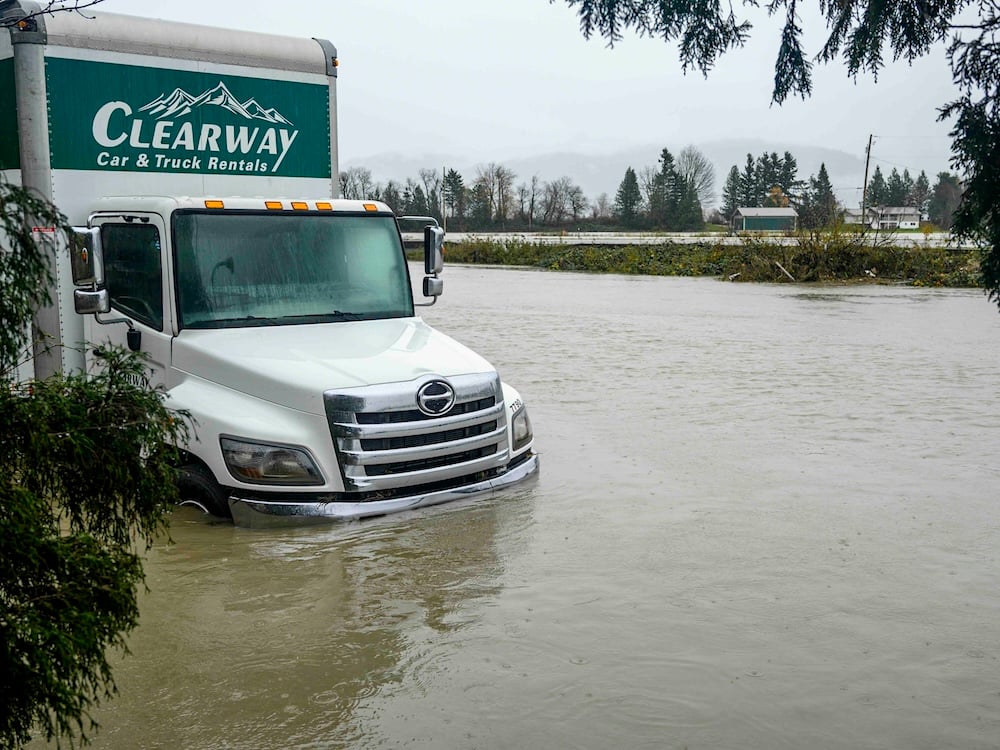
The “British Columbia Disaster and Climate Risk Assessment” highlights significant climate-related challenges facing the province, drawing on Indigenous wisdom to emphasize the interconnectedness of these risks. The report, released in October, provides a comprehensive overview of the threats posed by climate change and natural disasters, including riverine floods, coastal floods, extreme heat, wildfires, and droughts. It also includes the geological threat of a major earthquake, similar to the devastating event that struck B.C. on January 26, 1700.
The report’s epigraph, a Haida proverb stating, “Everything depends on everything else,” aptly summarizes the complexity of the issues at hand. While the assessment focuses on British Columbia, it acknowledges that disasters can arise from various sources, necessitating thorough preparation and mitigation strategies.
Comprehensive Risk Assessment
This assessment does not prescribe specific actions but instead evaluates historical events and estimates their likelihood of recurrence. It examines the risks those events pose to communities, ecosystems, health, and overall prosperity. For instance, the report questions how much funding should be allocated for flood mitigation in the Fraser Valley compared to retrofitting homes with air conditioning to cope with extreme heat.
Riverine flooding is identified as a frequent threat, warranting ongoing investment in building and maintaining dikes and drainage systems. The assessment also emphasizes the importance of avoiding construction on floodplains to reduce potential damage from future floods.
When it comes to the potential for a major earthquake, historical data indicates that a magnitude 9 subduction quake has occurred 19 times in the past 10,000 years, averaging one every 500 years. Although the last such quake occurred in 1700, the report suggests that while this event is a significant concern, its likelihood remains “remote.”
The report also highlights the potential destruction such a quake could cause, estimating that it would exceed the costs associated with all other disasters in B.C. since European settlement. Nonetheless, it acknowledges that preparedness efforts may become outdated by the time a significant event occurs, emphasizing the need for ongoing scientific and technological advancements.
Climate Change and Its Consequences
The assessment identifies “low and slow” heat waves as highly likely outcomes of climate change, lasting six days or more, which could lead to wildfires, poor air quality, and severe thunderstorms. The report warns that extreme heat events are projected to become increasingly common as global temperatures rise.
According to the UN Climate Summit 2023, global temperatures could rise by 1.5 degrees Celsius as early as 2026 if emissions continue on a high pathway. By the 2050s, a rise of 2.5 degrees Celsius could make extreme heat events likely across half the province, with 4 degrees Celsius of warming predicted by the 2080s leading to extreme heat events becoming almost certain throughout most of British Columbia.
Mark Lynas, in his book “Our Final Warning: Six Degrees of Climate Emergency,” warns that a 2-degree Celsius increase could render the Arctic Ocean ice-free in summer and lead to catastrophic consequences globally. As the climate crisis intensifies, British Columbia will likely face not only its own disasters but also the effects of crises occurring elsewhere.
For instance, wildfires in Siberia may impact air quality in Western Canada, while drought conditions on the Prairies could disrupt grain exports from the Port of Vancouver, affecting global food prices. Moreover, rising temperatures may drive millions of climate migrants towards Canada, exacerbating social and political tensions.
In conclusion, the “British Columbia Disaster and Climate Risk Assessment” underscores the urgent need for preparedness and resilience planning in light of both local and global climate challenges. As the Haida proverb reminds us, everything is interlinked, and understanding these connections is crucial in navigating the complexities of climate change and disaster readiness.

iShares Core Dividend Growth ETF Faces Challenges; Alternatives Suggested

Discover 7 Scenic Hikes Near Calgary to Explore This Spring

Scientists Uncover Life’s Building Blocks in Ryugu Asteroid Samples

Windsor-Essex Unveils New Action Plan to Combat Substance Use

Boost Your Business Visibility with These Local SEO Strategies

East Algoma OPP Urges Public to Limit Travel Amid Hazardous Conditions

Universities Must Rethink Failure to Support Student Growth

Canada Invests $6.4 Million to Boost Green Shipping Corridors

Stony Plain Secures 14th Consecutive Award for Financial Reporting Excellence

Rhythm Pharmaceuticals Reports Strong Q4 Growth Ahead of FDA Decision

Brandon University’s Failed $5 Million Project Sparks Oversight Review

Microsoft Confirms U.S. Law Overrules Canadian Data Sovereignty

Winnipeg Celebrates Culinary Creativity During Le Burger Week 2025

Discover Aritzia’s Latest Fashion Trends: A Comprehensive Review

New SĆIȺNEW̱ SṮEȽIṮḴEȽ Elementary Opens in Langford for 2025/2026 Year

EngineAI Unveils T800 Humanoid Robot, Setting New Industry Standards

Montreal’s Groupe Marcelle Leads Canadian Cosmetic Industry Growth

Tech Innovator Amandipp Singh Transforms Hiring for Disabled

Dragon Ball: Sparking! Zero Launching on Switch and Switch 2 This November

Digg Relaunches as Founders Kevin Rose and Alexis Ohanian Join Forces
-
 Education7 months ago
Brandon University’s Failed $5 Million Project Sparks Oversight Review
-
 Science8 months ago
Microsoft Confirms U.S. Law Overrules Canadian Data Sovereignty
-
 Lifestyle7 months ago
Winnipeg Celebrates Culinary Creativity During Le Burger Week 2025
-
 Lifestyle4 months ago
Discover Aritzia’s Latest Fashion Trends: A Comprehensive Review
-
 Education8 months ago
New SĆIȺNEW̱ SṮEȽIṮḴEȽ Elementary Opens in Langford for 2025/2026 Year
-
 Business4 months ago
EngineAI Unveils T800 Humanoid Robot, Setting New Industry Standards
-
 Health8 months ago
Montreal’s Groupe Marcelle Leads Canadian Cosmetic Industry Growth
-
 Science8 months ago
Tech Innovator Amandipp Singh Transforms Hiring for Disabled
-
 Technology8 months ago
Dragon Ball: Sparking! Zero Launching on Switch and Switch 2 This November
-
 Technology3 months ago
Digg Relaunches as Founders Kevin Rose and Alexis Ohanian Join Forces
-

 Lifestyle4 weeks ago
Canmore’s Le Fournil Bakery to Close After 14 Successful Years
-
 Top Stories4 months ago
Canadiens Eye Elias Pettersson: What It Would Cost to Acquire Him
-
 Health7 months ago
Eganville Leader to Close in 2026 After 123 Years of Reporting
-

 Education8 months ago
Red River College Launches New Programs to Address Industry Needs
-

 Top Stories4 months ago
Nicol Brothers Shine as Wheat Kings Dominate U18 AAA Hockey
-

 Business8 months ago
BNA Brewing to Open New Bowling Alley in Downtown Penticton
-

 Business7 months ago
Rocket Lab Reports Strong Q2 2025 Revenue Growth and Future Plans
-
 Education6 months ago
Alberta Petition Aims to Redirect Funds from Private to Public Schools
-

 Lifestyle5 months ago
Edmonton’s Beloved Evolution Wonderlounge Closes, New Era Begins
-

 Education8 months ago
Alberta Teachers’ Strike: Potential Impacts on Students and Families
-

 Technology6 months ago
Discord Faces Serious Security Breach Affecting Millions
-

 Technology8 months ago
Google Pixel 10 Pro Fold Specs Unveiled Ahead of Launch
-

 Business8 months ago
Iconic Golden Lion Restaurant in South Surrey to Close After 50 Years
-
 Science8 months ago
China’s Wukong Spacesuit Sets New Standard for AI in Space