
Top Stories
Alberta Faces Separatist Sentiment as Polls Show Support Rising

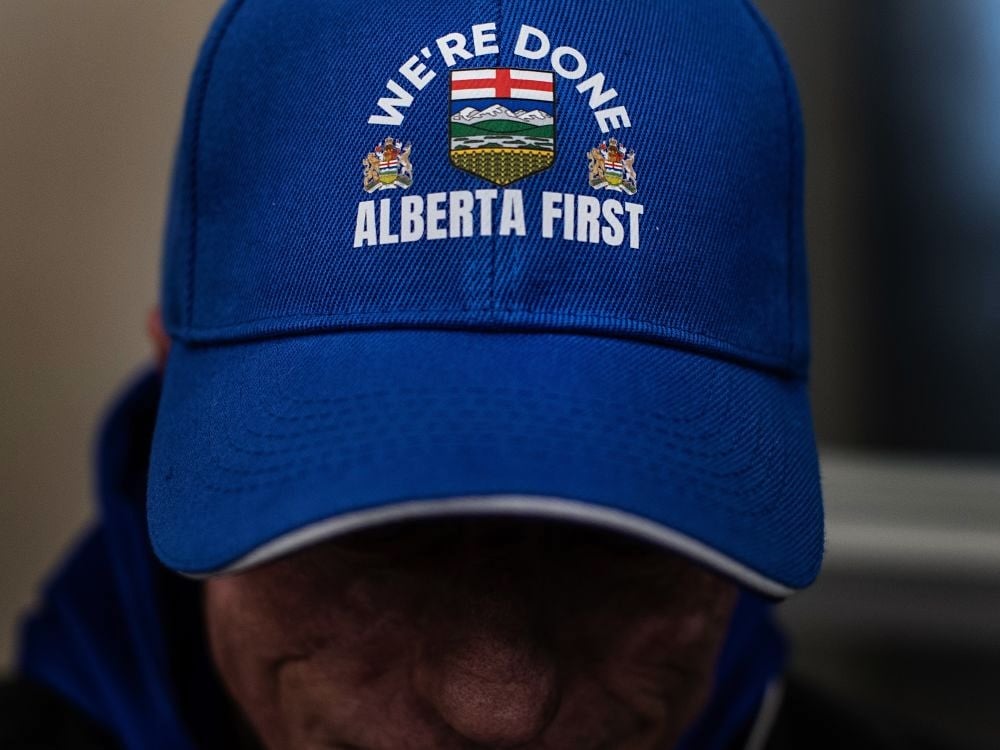
The political landscape in Alberta, Canada, has seen a notable rise in separatist sentiment, as revealed by a recent Angus Reid poll conducted on February 9, 2024. The survey indicates that approximately 29 percent of Albertans would support leaving Canada if a referendum were held today. While this figure may seem alarming, it is important to note that only 8 percent of respondents indicated they would definitely vote for separation, suggesting that national unity remains largely intact for the time being.
The reasons behind this inclination towards separation primarily stem from economic concerns. Supporters of the Alberta Prosperity Project (APP), an organization that advocates for a referendum on independence, argue that an independent Alberta could escape what they consider “harmful federal policies” and take full control of its resource wealth. Most of these individuals rely on alternative media and discussions within their social circles for information, contrasting with the mainstream media sources utilized by those favoring unity. Interestingly, nearly 75 percent of pro-Canada respondents indicated they would consider leaving Alberta if it were to separate.
The historical context of Alberta’s grievances with the federal government dates back many decades. Since its establishment as a province on September 1, 1905, Alberta has experienced a complex relationship with the rest of Canada. The discovery of significant oil reserves, particularly after Imperial Oil found the Redwater oil field in 1948, transformed Alberta into a major economic player. However, this prosperity has often been accompanied by discontent, particularly following the implementation of the National Energy Program under Prime Minister Pierre Trudeau in 1980.
In recent years, separatist sentiment has resurged, particularly after the election of Prime Minister Justin Trudeau in 2015 and the subsequent re-election of the Liberal government in 2019. The APP has capitalized on this sentiment, launching a petition drive for a referendum on Alberta’s independence. This effort has been bolstered by a campaign that highlights Alberta’s historical grievances and economic aspirations.
The potential for Alberta’s independence has raised questions about its relationship with the United States. A survey conducted by Nanos Research on February 15, 2024, revealed that 80 percent of Canadians believe the United States would support Alberta’s separation. The APP has actively sought discussions with U.S. officials, with co-founder Jeffrey Rath reporting enthusiastic responses regarding the idea of an independent Alberta. Discussions have included topics such as transitioning to U.S. currency and border security.
Critics of the APP’s activities have raised concerns about the legality and implications of Alberta’s potential separation. Legal experts, including law professor Robert J. Currie, argue that Alberta cannot unilaterally separate from Canada, citing constitutional constraints and the need to respect Indigenous rights. Furthermore, David Eby, the Premier of British Columbia, has referred to the APP’s overtures to the United States as “treason.”
The situation in Alberta mirrors the events leading up to the United Kingdom’s Brexit vote in 2020, where a seemingly implausible idea gained traction through a combination of public sentiment, disinformation, and foreign interference. Canadian pollster Darrell Bricker warns that similar dynamics could unfold in Alberta if the separatist movement continues to gain momentum.
Amidst this backdrop, Alberta Premier Danielle Smith has faced scrutiny regarding her stance on separatism. Critics question whether her actions indicate support for the separatist cause. Smith has refrained from condemning separatist sentiments and has initiated legislative efforts that some interpret as facilitating the separation movement. This includes the introduction of Bill 54, which allows corporate and union contributions to the separation campaign, potentially paving the way for significant financial backing.
Looking ahead, the Alberta government plans to pose a series of questions to voters in a referendum scheduled for October 19, 2024. Among the issues to be addressed will be proposals related to immigration control, judicial appointments, and the contentious topic of separation. The outcome of this referendum could have significant implications for both Alberta and the broader Canadian federation.
As of now, Canada remains united, but the combination of a provocative U.S. political landscape, a premier whose commitment to national unity is under scrutiny, and a populace divided on the issue of separation creates an unpredictable future for Alberta. The developments in the coming months will be closely watched, as Alberta navigates its identity and relationship within Canada and beyond.

iShares Core Dividend Growth ETF Faces Challenges; Alternatives Suggested

Discover 7 Scenic Hikes Near Calgary to Explore This Spring

Scientists Uncover Life’s Building Blocks in Ryugu Asteroid Samples

Windsor-Essex Unveils New Action Plan to Combat Substance Use

Boost Your Business Visibility with These Local SEO Strategies

East Algoma OPP Urges Public to Limit Travel Amid Hazardous Conditions

Universities Must Rethink Failure to Support Student Growth

Canada Invests $6.4 Million to Boost Green Shipping Corridors

Stony Plain Secures 14th Consecutive Award for Financial Reporting Excellence

Rhythm Pharmaceuticals Reports Strong Q4 Growth Ahead of FDA Decision

Brandon University’s Failed $5 Million Project Sparks Oversight Review

Microsoft Confirms U.S. Law Overrules Canadian Data Sovereignty

Winnipeg Celebrates Culinary Creativity During Le Burger Week 2025

Discover Aritzia’s Latest Fashion Trends: A Comprehensive Review

New SĆIȺNEW̱ SṮEȽIṮḴEȽ Elementary Opens in Langford for 2025/2026 Year

EngineAI Unveils T800 Humanoid Robot, Setting New Industry Standards

Montreal’s Groupe Marcelle Leads Canadian Cosmetic Industry Growth

Tech Innovator Amandipp Singh Transforms Hiring for Disabled

Dragon Ball: Sparking! Zero Launching on Switch and Switch 2 This November

Digg Relaunches as Founders Kevin Rose and Alexis Ohanian Join Forces
-
 Education7 months ago
Brandon University’s Failed $5 Million Project Sparks Oversight Review
-
 Science8 months ago
Microsoft Confirms U.S. Law Overrules Canadian Data Sovereignty
-
 Lifestyle7 months ago
Winnipeg Celebrates Culinary Creativity During Le Burger Week 2025
-
 Lifestyle4 months ago
Discover Aritzia’s Latest Fashion Trends: A Comprehensive Review
-
 Education7 months ago
New SĆIȺNEW̱ SṮEȽIṮḴEȽ Elementary Opens in Langford for 2025/2026 Year
-
 Business4 months ago
EngineAI Unveils T800 Humanoid Robot, Setting New Industry Standards
-
 Health8 months ago
Montreal’s Groupe Marcelle Leads Canadian Cosmetic Industry Growth
-
 Science8 months ago
Tech Innovator Amandipp Singh Transforms Hiring for Disabled
-
 Technology8 months ago
Dragon Ball: Sparking! Zero Launching on Switch and Switch 2 This November
-
 Technology3 months ago
Digg Relaunches as Founders Kevin Rose and Alexis Ohanian Join Forces
-
 Top Stories4 months ago
Canadiens Eye Elias Pettersson: What It Would Cost to Acquire Him
-

 Lifestyle4 weeks ago
Canmore’s Le Fournil Bakery to Close After 14 Successful Years
-

 Health7 months ago
Eganville Leader to Close in 2026 After 123 Years of Reporting
-

 Education8 months ago
Red River College Launches New Programs to Address Industry Needs
-

 Top Stories4 months ago
Nicol Brothers Shine as Wheat Kings Dominate U18 AAA Hockey
-

 Business7 months ago
Rocket Lab Reports Strong Q2 2025 Revenue Growth and Future Plans
-

 Business8 months ago
BNA Brewing to Open New Bowling Alley in Downtown Penticton
-

 Education6 months ago
Alberta Petition Aims to Redirect Funds from Private to Public Schools
-

 Education8 months ago
Alberta Teachers’ Strike: Potential Impacts on Students and Families
-

 Technology6 months ago
Discord Faces Serious Security Breach Affecting Millions
-

 Technology8 months ago
Google Pixel 10 Pro Fold Specs Unveiled Ahead of Launch
-

 Lifestyle5 months ago
Edmonton’s Beloved Evolution Wonderlounge Closes, New Era Begins
-

 Business7 months ago
Iconic Golden Lion Restaurant in South Surrey to Close After 50 Years
-

 Science8 months ago
China’s Wukong Spacesuit Sets New Standard for AI in Space