
Technology
Unplugged Canada Pushes for Delay in Smartphone Use for Kids

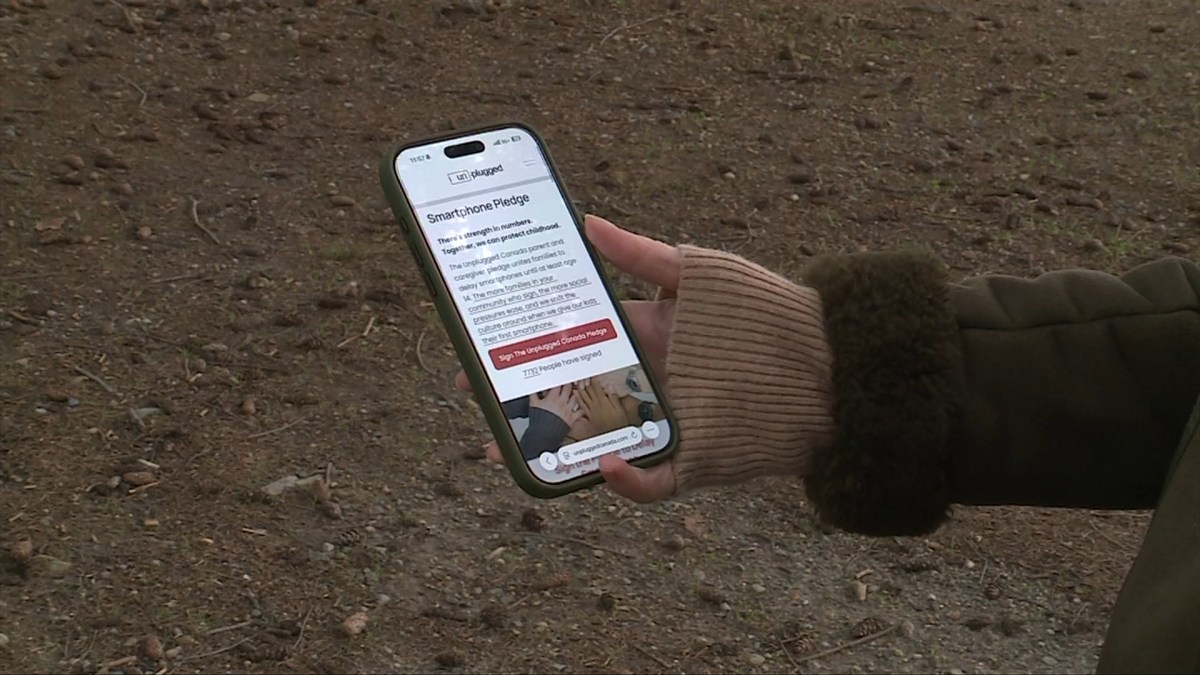
The Nanaimo chapter of Unplugged Canada is advocating for a postponement in the introduction of smartphones and social media for children. The organization is urging the federal government to enact legislation similar to Australia’s, which would prohibit children under the age of 16 from accessing these platforms.
Karolien Soylu, the lead of Unplugged Canada’s Nanaimo chapter, emphasized the initiative’s primary goal: educating parents about the potential impacts of social media and technology on children. “The main goal is to educate on what we’re seeing in terms of children and youth and social media and smartphones, and getting parents to delay, ideally as long as possible,” Soylu stated.
This initiative is part of a broader national marketing campaign aimed at preventing children from using smartphones until at least age 14 and banning social media use until they are at least 16. The push aligns with growing concerns about the effects of social media on child development, particularly during sensitive developmental periods such as puberty.
According to Soylu, research indicates that exposing children to social media during critical stages of brain development can have negative consequences. “Puberty is a really sensitive time in terms of brain development, so ideally you wouldn’t be giving your kid access to social media when they’re in that sensitive time period,” she explained.
The urgency of this campaign has been underscored by recent developments in the tech industry. This week, Mark Zuckerberg, CEO of Meta, testified in a significant trial regarding the harms of social media on children. This case, set to be heard in Los Angeles County Superior Court, involves over 1,600 plaintiffs who accuse major social media companies, including Instagram, YouTube, TikTok, and Snapchat, of intentionally designing addictive products that harm young users’ mental health.
Zuckerberg defended Meta’s platforms, asserting that they were not designed to be addictive for children. “These are addictive devices. I know there’s some debate about whether we should call it addictive or compulsive use, but to me, that doesn’t really matter,” Soylu quoted him as saying. “The point is, kids are being compelled to use them as much as possible, and they don’t have the self-regulation skills.”
Adding to the narrative, Stephen Leynard, a member of Unplugged Canada and a psychology undergraduate student, has conducted research highlighting the negative effects of high social media usage across all age groups. Leynard stated, “Higher social media use tends to lead to more depression, more anxiety, more suicidal ideation and attempts, as well as a lowering of life satisfaction.”
Unplugged Canada has gained traction nationwide, with over 20 members of Parliament from various political parties supporting their call to action. The organization is encouraging the public to contact their local MPs to express support for this initiative.
For those interested in learning more or participating, resources, including pledges and a federal petition, are available on Unplugged Canada’s website at unpluggedcanada.com. The growing movement seeks to empower parents and guardians to make informed decisions about their children’s technology use, ultimately advocating for a healthier developmental environment.

iShares Core Dividend Growth ETF Faces Challenges; Alternatives Suggested

Discover 7 Scenic Hikes Near Calgary to Explore This Spring

Scientists Uncover Life’s Building Blocks in Ryugu Asteroid Samples

Windsor-Essex Unveils New Action Plan to Combat Substance Use

Boost Your Business Visibility with These Local SEO Strategies

East Algoma OPP Urges Public to Limit Travel Amid Hazardous Conditions

Universities Must Rethink Failure to Support Student Growth

Canada Invests $6.4 Million to Boost Green Shipping Corridors

Stony Plain Secures 14th Consecutive Award for Financial Reporting Excellence

Rhythm Pharmaceuticals Reports Strong Q4 Growth Ahead of FDA Decision

Brandon University’s Failed $5 Million Project Sparks Oversight Review

Microsoft Confirms U.S. Law Overrules Canadian Data Sovereignty

Winnipeg Celebrates Culinary Creativity During Le Burger Week 2025

Discover Aritzia’s Latest Fashion Trends: A Comprehensive Review

New SĆIȺNEW̱ SṮEȽIṮḴEȽ Elementary Opens in Langford for 2025/2026 Year

EngineAI Unveils T800 Humanoid Robot, Setting New Industry Standards

Montreal’s Groupe Marcelle Leads Canadian Cosmetic Industry Growth

Tech Innovator Amandipp Singh Transforms Hiring for Disabled

Dragon Ball: Sparking! Zero Launching on Switch and Switch 2 This November

Digg Relaunches as Founders Kevin Rose and Alexis Ohanian Join Forces
-
 Education7 months ago
Brandon University’s Failed $5 Million Project Sparks Oversight Review
-
 Science8 months ago
Microsoft Confirms U.S. Law Overrules Canadian Data Sovereignty
-
 Lifestyle7 months ago
Winnipeg Celebrates Culinary Creativity During Le Burger Week 2025
-
 Lifestyle4 months ago
Discover Aritzia’s Latest Fashion Trends: A Comprehensive Review
-
 Education7 months ago
New SĆIȺNEW̱ SṮEȽIṮḴEȽ Elementary Opens in Langford for 2025/2026 Year
-
 Business4 months ago
EngineAI Unveils T800 Humanoid Robot, Setting New Industry Standards
-
 Health8 months ago
Montreal’s Groupe Marcelle Leads Canadian Cosmetic Industry Growth
-
 Science8 months ago
Tech Innovator Amandipp Singh Transforms Hiring for Disabled
-
 Technology8 months ago
Dragon Ball: Sparking! Zero Launching on Switch and Switch 2 This November
-
 Technology3 months ago
Digg Relaunches as Founders Kevin Rose and Alexis Ohanian Join Forces
-
 Top Stories4 months ago
Canadiens Eye Elias Pettersson: What It Would Cost to Acquire Him
-

 Lifestyle4 weeks ago
Canmore’s Le Fournil Bakery to Close After 14 Successful Years
-

 Health7 months ago
Eganville Leader to Close in 2026 After 123 Years of Reporting
-

 Education8 months ago
Red River College Launches New Programs to Address Industry Needs
-

 Top Stories4 months ago
Nicol Brothers Shine as Wheat Kings Dominate U18 AAA Hockey
-

 Business7 months ago
Rocket Lab Reports Strong Q2 2025 Revenue Growth and Future Plans
-

 Business8 months ago
BNA Brewing to Open New Bowling Alley in Downtown Penticton
-

 Education6 months ago
Alberta Petition Aims to Redirect Funds from Private to Public Schools
-

 Education8 months ago
Alberta Teachers’ Strike: Potential Impacts on Students and Families
-

 Technology6 months ago
Discord Faces Serious Security Breach Affecting Millions
-

 Technology8 months ago
Google Pixel 10 Pro Fold Specs Unveiled Ahead of Launch
-

 Lifestyle5 months ago
Edmonton’s Beloved Evolution Wonderlounge Closes, New Era Begins
-

 Business7 months ago
Iconic Golden Lion Restaurant in South Surrey to Close After 50 Years
-

 Science8 months ago
China’s Wukong Spacesuit Sets New Standard for AI in Space