
Technology
Japanese House Melds Tradition and Modernity, Emphasizes Privacy

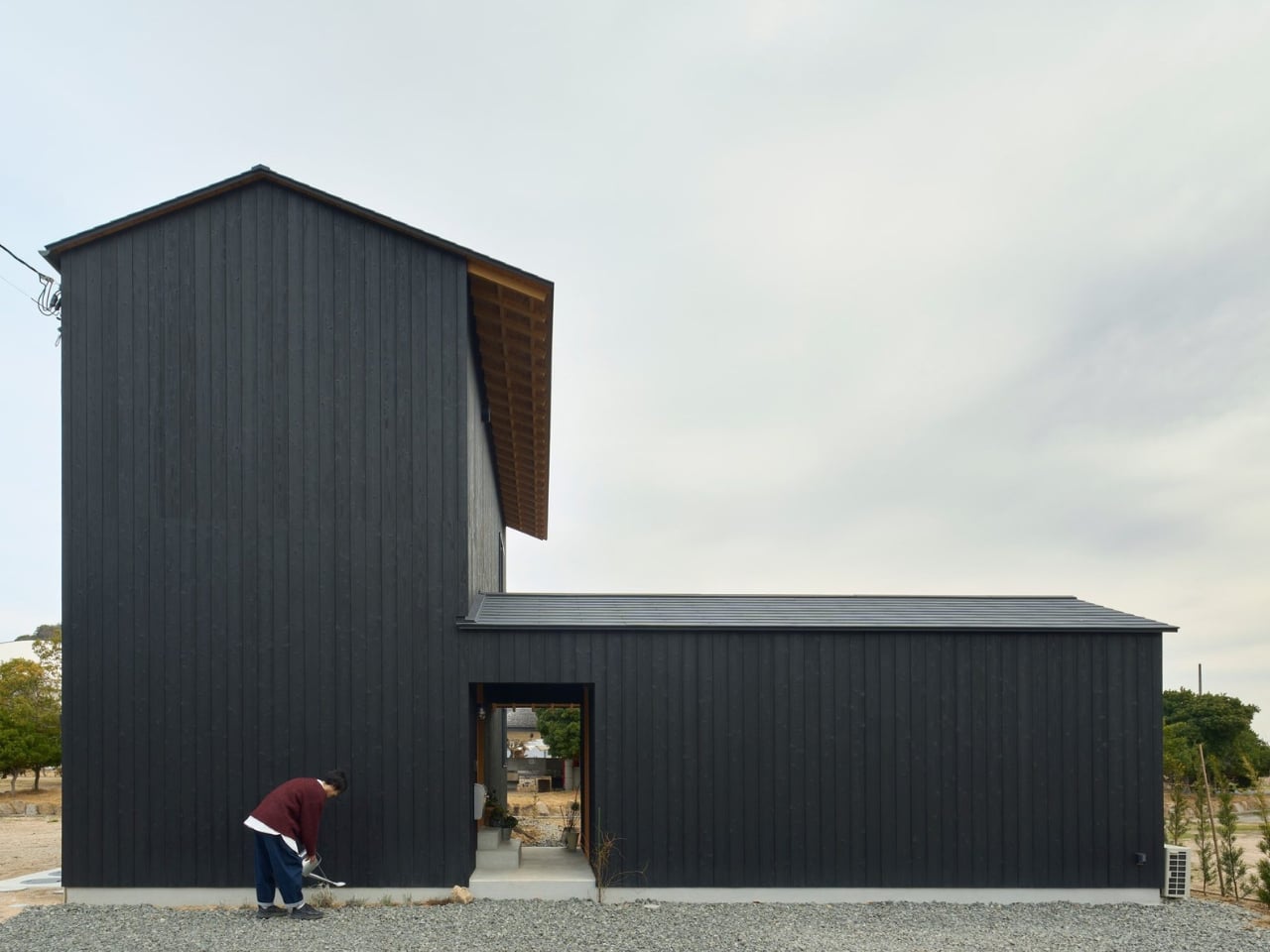
A new architectural project in Onomichi, Japan, designed by the UK-based firm Denizen Works, showcases an innovative approach to privacy and modern living. The structure, known as the House in Onomichi, features a nearly blank facade facing the street while opening up to stunning views of the Setonaikai Islands. This design choice reflects the clients’ desire for a tranquil home that offers a retreat from urban life.
The clients, a couple who previously lived in London, sought a sanctuary that combined elements of traditional Japanese architecture with contemporary design principles. Murray Kerr, the founder of Denizen Works, describes the house as possessing an “enigmatic quality,” highlighting the balance between privacy and openness that characterizes the project.
Architectural Design and Cultural References
The House in Onomichi consists of two distinct structures connected by a covered walkway. The main house is a two-storey building that includes a single bedroom, while a single-storey studio extends from it, partially enclosing a small garden. This arrangement draws upon the traditional Japanese concepts of Omoya and Hanare, which differentiate between the main residence and annex spaces. Such a layout provides essential separation between living and working areas, a vital consideration for anyone who has worked from home in recent years.
A standout feature of the project is the cladding, which employs Yakisugi, a traditional Japanese technique that involves charring wood for preservation. The resulting deep black finish is both protective and visually striking. While Yakisugi has gained popularity in contemporary architecture, its application in this house feels appropriately rooted in cultural heritage, creating a dialogue between age-old methods and modern aesthetics.
Integration of Indoor and Outdoor Spaces
While the street-facing facade is intentionally closed off, the rear of the house opens up to panoramic views of the surrounding islands. This design strategy is characteristic of Japanese architecture, emphasizing the creation of a private oasis within a public context. The small garden serves as a buffer, allowing the interior spaces to breathe while maintaining a sense of enclosure and serenity.
Collaboration played a significant role in the project’s success. Denizen Works joined forces with Take Architects, a Tokyo-based firm, to navigate the complexities of building in Japan while maintaining their unique design vision. This partnership exemplifies how cross-cultural collaborations can yield innovative results without compromising the integrity of either architectural style.
The House in Onomichi reflects a deep understanding of the clients’ needs for calm, privacy, and a connection to their surroundings. Utilizing traditional materials and spatial concepts, the design feels authentic rather than superficial. Over time, the burnt timber will weather and the garden will mature, allowing the house to harmoniously settle into its environment.
In an era where many residential designs seek attention through bold aesthetics, this project’s subtlety is refreshing. The choice to present a closed face to the street while prioritizing the breathtaking views toward the Setonaikai Islands creates a profound living experience. This approach illustrates that true luxury in architecture lies in the creation of spaces that foster tranquility and personal connection.
Ultimately, Denizen Works demonstrates that thoughtful architectural design, grounded in cultural understanding, can transcend geographical boundaries and resonate with the essence of its location. The House in Onomichi stands as a testament to the beauty of blending tradition with modernity, highlighting the importance of privacy in contemporary living.

iShares Core Dividend Growth ETF Faces Challenges; Alternatives Suggested

Discover 7 Scenic Hikes Near Calgary to Explore This Spring

Scientists Uncover Life’s Building Blocks in Ryugu Asteroid Samples

Windsor-Essex Unveils New Action Plan to Combat Substance Use

Boost Your Business Visibility with These Local SEO Strategies

East Algoma OPP Urges Public to Limit Travel Amid Hazardous Conditions

Universities Must Rethink Failure to Support Student Growth

Canada Invests $6.4 Million to Boost Green Shipping Corridors

Stony Plain Secures 14th Consecutive Award for Financial Reporting Excellence

Rhythm Pharmaceuticals Reports Strong Q4 Growth Ahead of FDA Decision

Brandon University’s Failed $5 Million Project Sparks Oversight Review

Microsoft Confirms U.S. Law Overrules Canadian Data Sovereignty

Winnipeg Celebrates Culinary Creativity During Le Burger Week 2025

New SĆIȺNEW̱ SṮEȽIṮḴEȽ Elementary Opens in Langford for 2025/2026 Year

EngineAI Unveils T800 Humanoid Robot, Setting New Industry Standards

Montreal’s Groupe Marcelle Leads Canadian Cosmetic Industry Growth

Tech Innovator Amandipp Singh Transforms Hiring for Disabled

Discover Aritzia’s Latest Fashion Trends: A Comprehensive Review

Dragon Ball: Sparking! Zero Launching on Switch and Switch 2 This November

Digg Relaunches as Founders Kevin Rose and Alexis Ohanian Join Forces
-
 Education7 months ago
Brandon University’s Failed $5 Million Project Sparks Oversight Review
-
 Science7 months ago
Microsoft Confirms U.S. Law Overrules Canadian Data Sovereignty
-
 Lifestyle7 months ago
Winnipeg Celebrates Culinary Creativity During Le Burger Week 2025
-
 Education7 months ago
New SĆIȺNEW̱ SṮEȽIṮḴEȽ Elementary Opens in Langford for 2025/2026 Year
-
 Business4 months ago
EngineAI Unveils T800 Humanoid Robot, Setting New Industry Standards
-
 Health7 months ago
Montreal’s Groupe Marcelle Leads Canadian Cosmetic Industry Growth
-
 Science7 months ago
Tech Innovator Amandipp Singh Transforms Hiring for Disabled
-
 Lifestyle3 months ago
Discover Aritzia’s Latest Fashion Trends: A Comprehensive Review
-
 Technology7 months ago
Dragon Ball: Sparking! Zero Launching on Switch and Switch 2 This November
-
 Technology2 months ago
Digg Relaunches as Founders Kevin Rose and Alexis Ohanian Join Forces
-
 Top Stories3 months ago
Canadiens Eye Elias Pettersson: What It Would Cost to Acquire Him
-

 Health6 months ago
Eganville Leader to Close in 2026 After 123 Years of Reporting
-

 Education7 months ago
Red River College Launches New Programs to Address Industry Needs
-

 Business6 months ago
Rocket Lab Reports Strong Q2 2025 Revenue Growth and Future Plans
-

 Top Stories3 months ago
Nicol Brothers Shine as Wheat Kings Dominate U18 AAA Hockey
-

 Education5 months ago
Alberta Petition Aims to Redirect Funds from Private to Public Schools
-

 Business7 months ago
BNA Brewing to Open New Bowling Alley in Downtown Penticton
-

 Technology7 months ago
Google Pixel 10 Pro Fold Specs Unveiled Ahead of Launch
-

 Technology6 months ago
Discord Faces Serious Security Breach Affecting Millions
-

 Education7 months ago
Alberta Teachers’ Strike: Potential Impacts on Students and Families
-

 Lifestyle2 weeks ago
Canmore’s Le Fournil Bakery to Close After 14 Successful Years
-

 Business7 months ago
Iconic Golden Lion Restaurant in South Surrey to Close After 50 Years
-

 Science7 months ago
China’s Wukong Spacesuit Sets New Standard for AI in Space
-

 Lifestyle5 months ago
Edmonton’s Beloved Evolution Wonderlounge Closes, New Era Begins