
Technology
Japanese Ambassador Calls CUSMA Vital for Auto Industry Growth

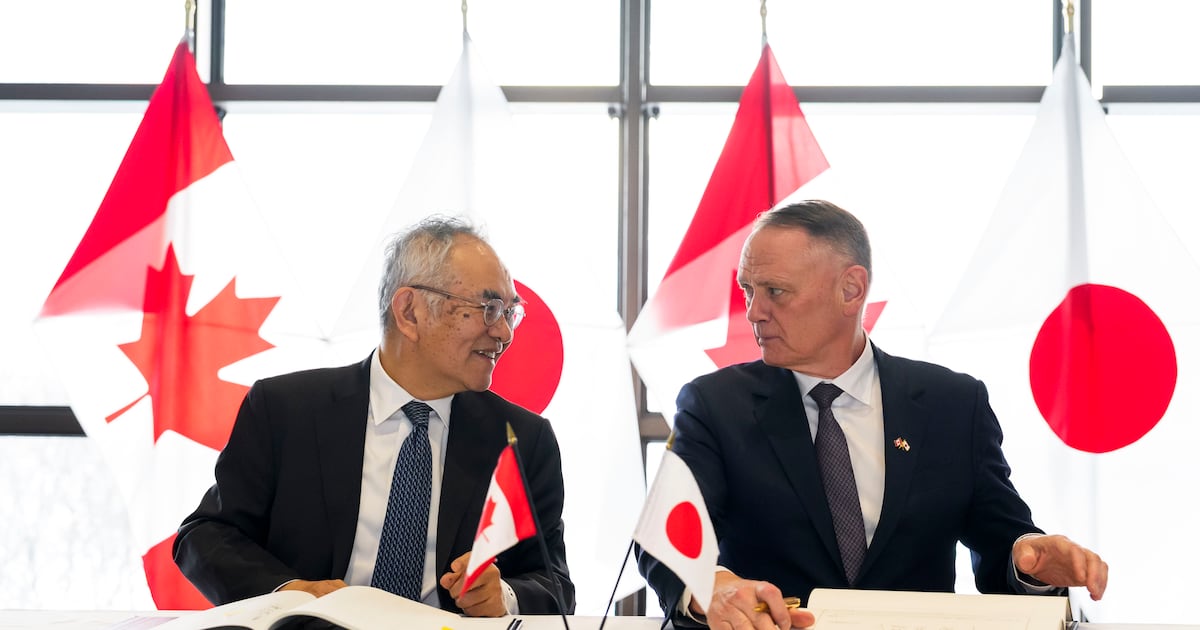
As the Canadian government prepares for a summer review of the Canada-U.S.-Mexico Agreement (CUSMA), Japanese Ambassador to Canada, Kanji Yamanouchi, has emphasized the critical importance of this trade deal for Japan’s automotive investments in Canada. In a recent interview on CTV’s Question Period, Yamanouchi stressed that maintaining access to the U.S. market under CUSMA is essential for current and potential Japanese auto manufacturing in Canada.
Yamanouchi stated, “That is the critical condition,” highlighting the disparity between Canada’s economy and the U.S. market. With Canada’s GDP at approximately $2.5 trillion and the U.S. market valued at around $30 trillion, the stakes are significant. He added, “All those cars made in Canada, of course sold in Canada, but at the same time, exported to the U.S. market.” This reliance on exports underscores the necessity for favorable trade terms to ensure profitability for Japanese manufacturers operating in Canada.
The ambassador pointed out that Japanese automakers, such as Honda and Toyota, have been crucial players in Ontario’s automotive sector for decades. Despite an overall decline in Canadian auto production over the past ten years, these companies are outperforming their American counterparts. According to a recent report from the Trillium Network for Advanced Manufacturing, in 2024 and 2025, both Honda and Toyota are projected to assemble more vehicles in Canada than the combined total of Ford, General Motors, and Stellantis.
Employment trends mirror production statistics, with Japanese automakers employing over 60 percent of all automotive assembly workers in Ontario in 2024. By contrast, American companies account for only 38 percent of employment in this sector. This shift highlights the growing influence of Japanese manufacturers in the Canadian automotive landscape.
Japan’s Interest in Canadian LNG Expansion
In addition to automotive manufacturing, Yamanouchi expressed Japan’s increasing interest in Canadian liquefied natural gas (LNG). Prime Minister Mark Carney is scheduled to visit Japan this week as part of a broader tour of the Indo-Pacific aimed at fostering trade and investment opportunities. The ambassador noted that energy security, particularly access to LNG, is of paramount importance for Japan.
Yamanouchi described the opening of the LNG Canada export terminal last year as a “very, very important historical event,” enabling access to Asian markets. He indicated that Japan is eager for more Canadian LNG, particularly referencing the proposed Phase 2 expansion of the LNG Canada facility, which would double its export capacity. “That expansion would make the LNG Canada facility the second largest in the world,” he said, emphasizing the project’s significance for Japan.
The expansion is seen as a priority for Japan, given the favorable 10-day shipping time and the relative geopolitical safety of the marine route. The federal government referred LNG Canada Phase 2 to its Major Projects Office for consideration in September 2022. If designated as a project in the national interest, the MPO is required to expedite regulatory approval.
Despite the enthusiasm surrounding the potential expansion, the consortium behind LNG Canada has yet to make a final investment decision regarding Phase 2. The outcomes of these discussions will have significant implications for both Canadian energy exports and Japan’s energy security strategy.
Ambassador Yamanouchi’s comments underscore the interconnectedness of trade relations between Japan and Canada, particularly in the automotive and energy sectors. As both countries navigate the complexities of international trade, the future of CUSMA remains a pivotal concern for Japanese investments in Canada.

iShares Core Dividend Growth ETF Faces Challenges; Alternatives Suggested

Discover 7 Scenic Hikes Near Calgary to Explore This Spring

Scientists Uncover Life’s Building Blocks in Ryugu Asteroid Samples

Windsor-Essex Unveils New Action Plan to Combat Substance Use

Boost Your Business Visibility with These Local SEO Strategies

East Algoma OPP Urges Public to Limit Travel Amid Hazardous Conditions

Universities Must Rethink Failure to Support Student Growth

Canada Invests $6.4 Million to Boost Green Shipping Corridors

Stony Plain Secures 14th Consecutive Award for Financial Reporting Excellence

Rhythm Pharmaceuticals Reports Strong Q4 Growth Ahead of FDA Decision

Brandon University’s Failed $5 Million Project Sparks Oversight Review

Microsoft Confirms U.S. Law Overrules Canadian Data Sovereignty

Winnipeg Celebrates Culinary Creativity During Le Burger Week 2025

New SĆIȺNEW̱ SṮEȽIṮḴEȽ Elementary Opens in Langford for 2025/2026 Year

EngineAI Unveils T800 Humanoid Robot, Setting New Industry Standards

Montreal’s Groupe Marcelle Leads Canadian Cosmetic Industry Growth

Tech Innovator Amandipp Singh Transforms Hiring for Disabled

Discover Aritzia’s Latest Fashion Trends: A Comprehensive Review

Dragon Ball: Sparking! Zero Launching on Switch and Switch 2 This November

Digg Relaunches as Founders Kevin Rose and Alexis Ohanian Join Forces
-
 Education7 months ago
Brandon University’s Failed $5 Million Project Sparks Oversight Review
-
 Science7 months ago
Microsoft Confirms U.S. Law Overrules Canadian Data Sovereignty
-
 Lifestyle7 months ago
Winnipeg Celebrates Culinary Creativity During Le Burger Week 2025
-
 Education7 months ago
New SĆIȺNEW̱ SṮEȽIṮḴEȽ Elementary Opens in Langford for 2025/2026 Year
-
 Business4 months ago
EngineAI Unveils T800 Humanoid Robot, Setting New Industry Standards
-
 Health7 months ago
Montreal’s Groupe Marcelle Leads Canadian Cosmetic Industry Growth
-
 Science7 months ago
Tech Innovator Amandipp Singh Transforms Hiring for Disabled
-
 Lifestyle3 months ago
Discover Aritzia’s Latest Fashion Trends: A Comprehensive Review
-
 Technology7 months ago
Dragon Ball: Sparking! Zero Launching on Switch and Switch 2 This November
-
 Technology2 months ago
Digg Relaunches as Founders Kevin Rose and Alexis Ohanian Join Forces
-
 Top Stories3 months ago
Canadiens Eye Elias Pettersson: What It Would Cost to Acquire Him
-

 Health6 months ago
Eganville Leader to Close in 2026 After 123 Years of Reporting
-

 Education7 months ago
Red River College Launches New Programs to Address Industry Needs
-

 Business6 months ago
Rocket Lab Reports Strong Q2 2025 Revenue Growth and Future Plans
-

 Top Stories3 months ago
Nicol Brothers Shine as Wheat Kings Dominate U18 AAA Hockey
-

 Business7 months ago
BNA Brewing to Open New Bowling Alley in Downtown Penticton
-

 Education5 months ago
Alberta Petition Aims to Redirect Funds from Private to Public Schools
-

 Technology7 months ago
Google Pixel 10 Pro Fold Specs Unveiled Ahead of Launch
-

 Technology6 months ago
Discord Faces Serious Security Breach Affecting Millions
-

 Education7 months ago
Alberta Teachers’ Strike: Potential Impacts on Students and Families
-

 Lifestyle2 weeks ago
Canmore’s Le Fournil Bakery to Close After 14 Successful Years
-

 Business7 months ago
Iconic Golden Lion Restaurant in South Surrey to Close After 50 Years
-

 Science7 months ago
China’s Wukong Spacesuit Sets New Standard for AI in Space
-

 Lifestyle5 months ago
Edmonton’s Beloved Evolution Wonderlounge Closes, New Era Begins