
Technology
Innovative Aromatherapy Design Merges Tradition with Modern Living

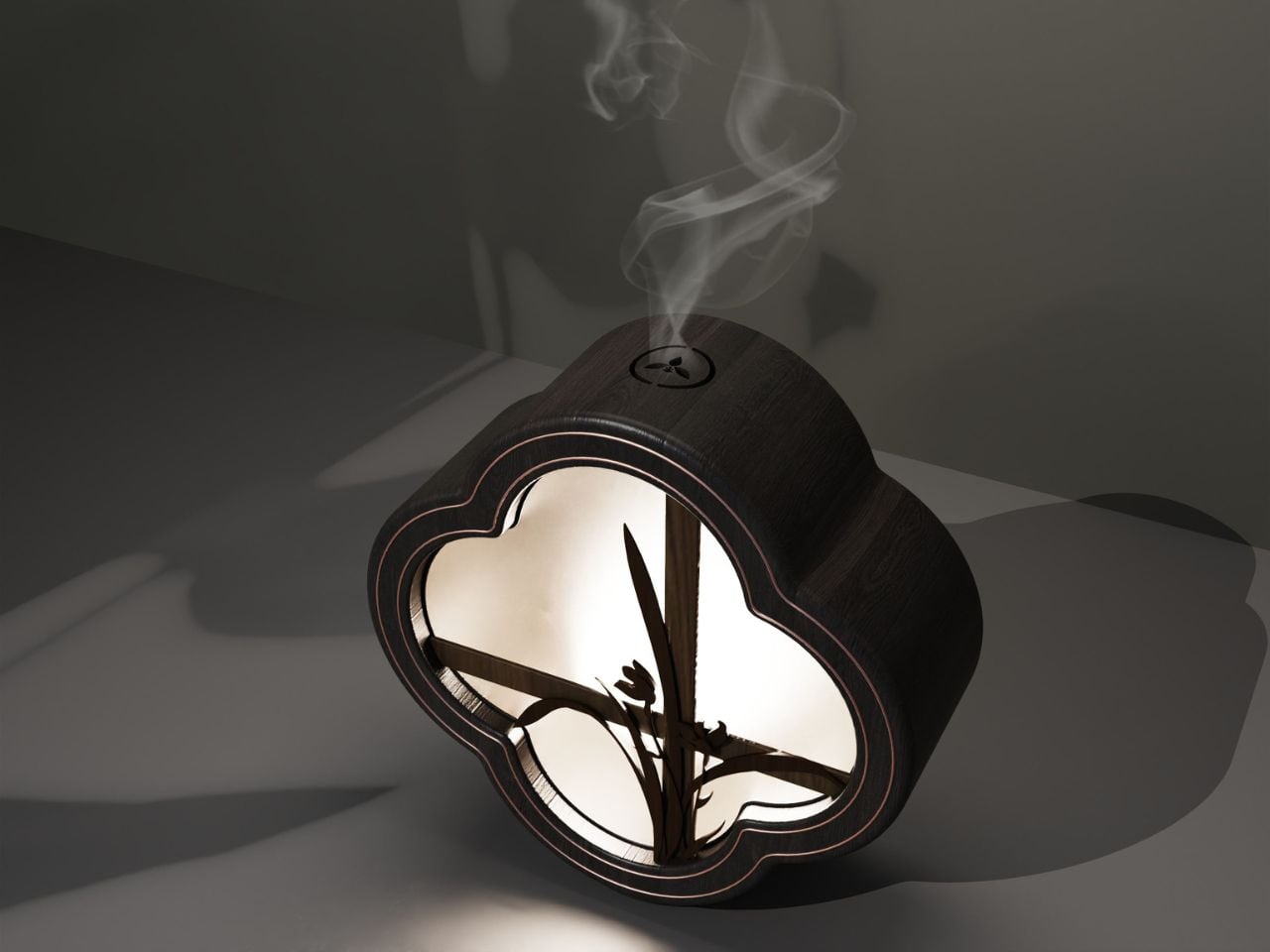
A new aromatherapy piece designed by Chris233 is making waves in the realm of contemporary product design by merging traditional Chinese aesthetics with modern lifestyle needs. This innovative creation draws inspiration from centuries-old cultural memory and sensory rituals, offering a multisensory sanctuary for the home.
The centerpiece of this design is the orchid, a symbol deeply rooted in Chinese literati culture. Orchids represent moral integrity, modesty, and quiet refinement, often depicted in classical painting as modest blooms in serene landscapes. By incorporating orchid elements into the object, the designer activates a cultural narrative that emphasizes values such as introspection and spiritual clarity. In today’s fast-paced world, these ideals resonate strongly, offering a counterbalance to the overwhelming noise of modern life.
Design Influences and Aesthetic Choices
Taking cues from traditional Chinese gardens, the silhouette of the piece mimics the “flower window” seen in classical architecture. These windows are designed to frame beautiful views, such as a bamboo grove or a reflective pond. The four-petal window motif is effectively reinterpreted into a compact household object. This design choice is more than mere decoration; it invites users to experience a sense of calm and contemplation reminiscent of standing before a classical garden window.
Material selection plays a crucial role in this design. The use of wood evokes warmth and familiarity, contrasting sharply with the prevalent trend of polished metals and synthetic materials in modern design. The natural texture and scent of wood create a tactile connection, inviting interaction and encouraging a slower pace of life. This attention to materiality reflects a thoughtful approach to design, where the object serves not only a functional purpose but also embodies emotional resonance.
What truly sets this aromatherapy piece apart is its unique approach to light. The designer has crafted a soft, light-transmitting structure that allows illumination to filter through the flower window and orchid motifs. This results in a delicate interplay of shadow and light, transforming a functional object into an ambient atmosphere. When fragrances begin to diffuse, they intermingle with the light, creating a layered sensory experience that enhances both visual and olfactory comfort.
A Journey Towards Mindfulness
This design does more than simply serve as an aromatherapy diffuser; it creates an ambience that encourages mindfulness and introspection. By reinterpreting traditional aesthetics in a contemporary context, the piece reflects how individuals seek serenity in their everyday lives. It promotes the idea that small, thoughtfully designed objects can significantly impact emotional well-being and mental clarity.
The project aligns with a broader movement in design that prioritizes cultural integration over mere symbolic representation. It showcases the potential for traditional Chinese culture to coexist with modern sensibilities when approached through meaningful design rather than decorative ornamentation. This aromatherapy object thus becomes a tool for calm and everyday spirituality, reminding users that profound design does not require ostentation.
In an era where wellness routines are often commodified, this innovative piece offers a refreshing perspective. It advocates for a return to thoughtful rituals, poetic simplicity, and the ancient art of living beautifully. By providing a multisensory experience that honors cultural memory, this aromatherapy piece stands as a testament to the enduring relevance of traditional values in contemporary life.

iShares Core Dividend Growth ETF Faces Challenges; Alternatives Suggested

Discover 7 Scenic Hikes Near Calgary to Explore This Spring

Scientists Uncover Life’s Building Blocks in Ryugu Asteroid Samples

Windsor-Essex Unveils New Action Plan to Combat Substance Use

Boost Your Business Visibility with These Local SEO Strategies

East Algoma OPP Urges Public to Limit Travel Amid Hazardous Conditions

Universities Must Rethink Failure to Support Student Growth

Canada Invests $6.4 Million to Boost Green Shipping Corridors

Stony Plain Secures 14th Consecutive Award for Financial Reporting Excellence

Rhythm Pharmaceuticals Reports Strong Q4 Growth Ahead of FDA Decision

Brandon University’s Failed $5 Million Project Sparks Oversight Review

Microsoft Confirms U.S. Law Overrules Canadian Data Sovereignty

Winnipeg Celebrates Culinary Creativity During Le Burger Week 2025

Discover Aritzia’s Latest Fashion Trends: A Comprehensive Review

New SĆIȺNEW̱ SṮEȽIṮḴEȽ Elementary Opens in Langford for 2025/2026 Year

EngineAI Unveils T800 Humanoid Robot, Setting New Industry Standards

Montreal’s Groupe Marcelle Leads Canadian Cosmetic Industry Growth

Tech Innovator Amandipp Singh Transforms Hiring for Disabled

Dragon Ball: Sparking! Zero Launching on Switch and Switch 2 This November

Digg Relaunches as Founders Kevin Rose and Alexis Ohanian Join Forces
-
 Education7 months ago
Brandon University’s Failed $5 Million Project Sparks Oversight Review
-
 Science8 months ago
Microsoft Confirms U.S. Law Overrules Canadian Data Sovereignty
-
 Lifestyle7 months ago
Winnipeg Celebrates Culinary Creativity During Le Burger Week 2025
-
 Lifestyle4 months ago
Discover Aritzia’s Latest Fashion Trends: A Comprehensive Review
-
 Education7 months ago
New SĆIȺNEW̱ SṮEȽIṮḴEȽ Elementary Opens in Langford for 2025/2026 Year
-
 Business4 months ago
EngineAI Unveils T800 Humanoid Robot, Setting New Industry Standards
-
 Health8 months ago
Montreal’s Groupe Marcelle Leads Canadian Cosmetic Industry Growth
-
 Science8 months ago
Tech Innovator Amandipp Singh Transforms Hiring for Disabled
-
 Technology8 months ago
Dragon Ball: Sparking! Zero Launching on Switch and Switch 2 This November
-
 Technology3 months ago
Digg Relaunches as Founders Kevin Rose and Alexis Ohanian Join Forces
-
 Top Stories4 months ago
Canadiens Eye Elias Pettersson: What It Would Cost to Acquire Him
-

 Lifestyle4 weeks ago
Canmore’s Le Fournil Bakery to Close After 14 Successful Years
-

 Health7 months ago
Eganville Leader to Close in 2026 After 123 Years of Reporting
-

 Education8 months ago
Red River College Launches New Programs to Address Industry Needs
-

 Top Stories4 months ago
Nicol Brothers Shine as Wheat Kings Dominate U18 AAA Hockey
-

 Business7 months ago
Rocket Lab Reports Strong Q2 2025 Revenue Growth and Future Plans
-

 Business8 months ago
BNA Brewing to Open New Bowling Alley in Downtown Penticton
-

 Education6 months ago
Alberta Petition Aims to Redirect Funds from Private to Public Schools
-

 Education8 months ago
Alberta Teachers’ Strike: Potential Impacts on Students and Families
-

 Lifestyle5 months ago
Edmonton’s Beloved Evolution Wonderlounge Closes, New Era Begins
-

 Technology6 months ago
Discord Faces Serious Security Breach Affecting Millions
-

 Technology8 months ago
Google Pixel 10 Pro Fold Specs Unveiled Ahead of Launch
-

 Business7 months ago
Iconic Golden Lion Restaurant in South Surrey to Close After 50 Years
-

 Science8 months ago
China’s Wukong Spacesuit Sets New Standard for AI in Space