
Technology
Google Pixel 10 Pro and Apple iPhone 16: A Detailed Comparison

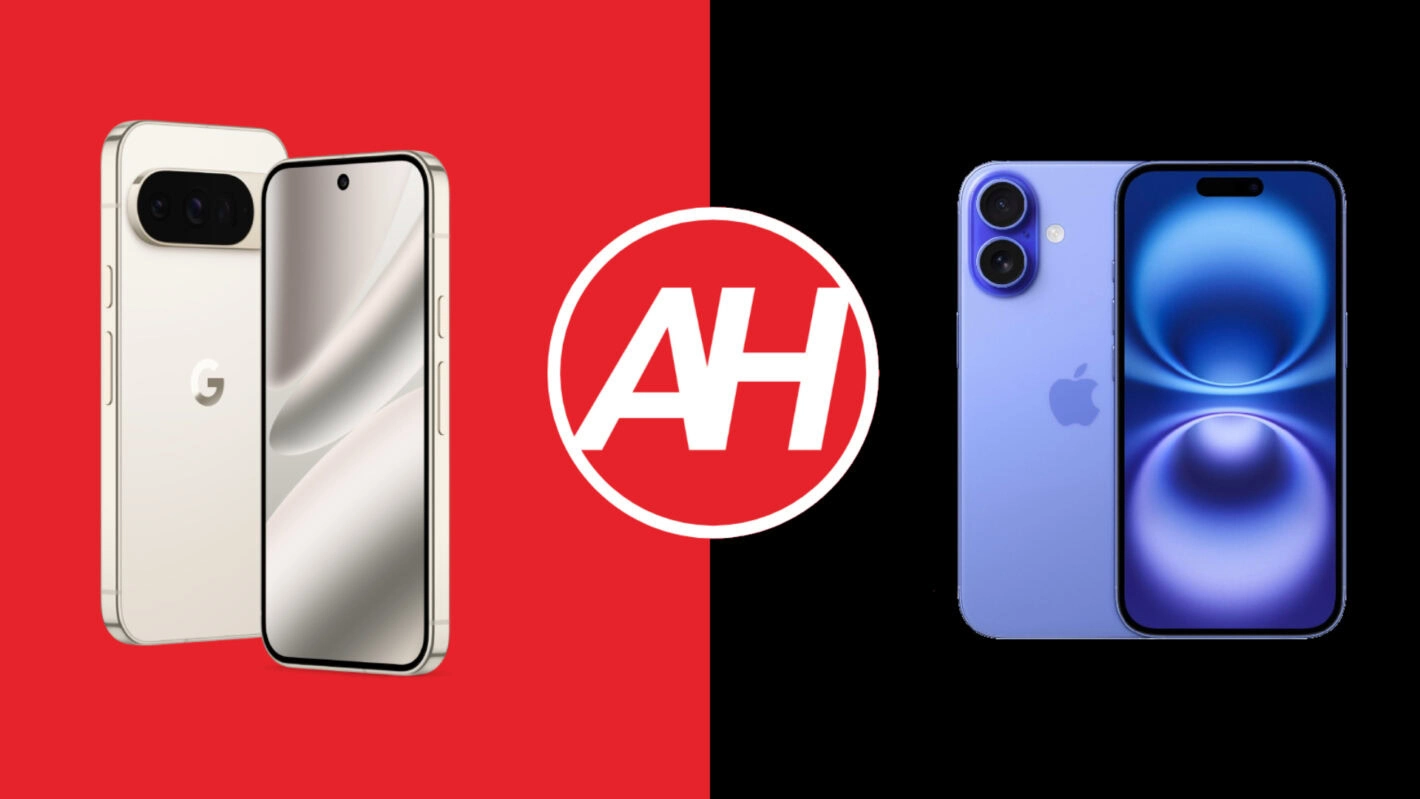
The latest comparison between the Google Pixel 10 Pro and the Apple iPhone 16 reveals significant differences and a few similarities as these two compact flagship smartphones cater to diverse preferences. While the Pixel 10 Pro represents Google’s cutting-edge technology, the iPhone 16 remains popular among users despite being superseded by newer models. This analysis will delve into their specifications, design, display, performance, battery life, camera capabilities, and audio output.
Specifications Overview
Both the Google Pixel 10 Pro and the Apple iPhone 16 have unique specifications that may influence consumer choices.
– **Google Pixel 10 Pro**:
– Dimensions: 152.8 x 72 x 8.6 mm
– Weight: 207 grams
– Display: 6.3-inch Super Actual LTPO OLED
– Refresh Rate: Smooth Display (1-120Hz)
– Resolution: 2856 x 1280 pixels
– Chipset: Google Tensor G5
– RAM: 16GB (LPDDR5X)
– Storage Options: 128GB/256GB/512GB/1TB (UFS 4.0)
– Main Camera: 50MP
– Selfie Camera: 42MP
– Battery Size: 4,870mAh
– **Apple iPhone 16**:
– Dimensions: 147.6 x 71.6 x 7.8 mm
– Weight: 170 grams
– Display: 6.1-inch Super Retina XDR OLED
– Refresh Rate: 60Hz
– Resolution: 2556 x 1179 pixels
– Chipset: Apple A18
– RAM: 8GB
– Storage Options: 128GB/256GB/512GB
– Main Camera: 48MP
– Selfie Camera: 12MP
– Battery Size: 3,561mAh
While the Pixel 10 Pro boasts more RAM and a larger battery, the iPhone 16 maintains a slim profile and offers a well-optimized user experience.
Design and Display
Visually, the Google Pixel 10 Pro and Apple iPhone 16 exhibit distinct design philosophies. Both devices feature flat frames and glass backs, but the Pixel 10 Pro’s design includes a centered camera hole, while the iPhone 16 integrates a Dynamic Island cutout at the top.
The Pixel 10 Pro showcases a camera visor on its back, in contrast to the dual vertically-aligned cameras of the iPhone 16. Both devices are IP68 certified for water and dust resistance, making them suitable for various environments.
In terms of display, the Pixel 10 Pro offers a 6.3-inch LTPO OLED screen with an adaptive refresh rate of up to 120Hz, providing smooth scrolling and responsive touch. Its resolution of 2856 x 1280 pixels and peak brightness of 3,300 nits enhance viewing quality, supporting HDR10+ content.
On the other hand, the iPhone 16 features a 6.1-inch Super Retina XDR OLED display with a resolution of 2556 x 1179 pixels and a peak brightness of 2,000 nits. Although it has a lower refresh rate, the iPhone’s display is also vivid and sharp, ensuring excellent color reproduction.
Performance and Battery Life
The performance of both smartphones is impressive, thanks to their advanced chipsets. The Google Tensor G5 and Apple A18 processors deliver fast, responsive experiences for everyday tasks and even gaming.
The Pixel 10 Pro’s 16GB of RAM provides an edge in multitasking, while the iPhone 16, with its 8GB of RAM, is optimized for performance through Apple’s software integration. Both devices handle demanding applications with ease, although the iPhone 16 has a slight advantage in graphically intensive gaming scenarios.
Battery performance illustrates some differences. The Pixel 10 Pro, with a larger 4,870mAh battery, offers robust capacity but does not necessarily translate to longer usage times. Users reported that the iPhone 16 provides approximately 20% more screen-on time, thanks to its efficient power management.
Charging capabilities also vary. The Pixel 10 Pro supports 30W wired and 15W wireless charging, taking around 90 minutes to charge fully. The iPhone 16 mirrors this with 30W wired and 25W MagSafe wireless charging but takes slightly longer to reach a full charge due to its smaller battery.
Camera Features
Camera performance is critical for many smartphone users. The Google Pixel 10 Pro features a versatile triple-camera system that includes a 50MP main camera, a 48MP ultrawide, and a 48MP periscope telephoto lens with 5x optical zoom. This setup allows for superior versatility, particularly in low-light conditions and telephoto photography.
In contrast, the iPhone 16 is equipped with a dual-camera system consisting of a 48MP main sensor and a 12MP ultrawide camera. While it excels in video recording, the Pixel 10 Pro is renowned for its distinctive image processing style, which offers vibrant and contrast-rich photos.
Selfie cameras also differ, with the Pixel 10 Pro housing a 42MP front camera, compared to the iPhone 16’s 12MP option. This difference may appeal to users who prioritize high-resolution selfies.
Both smartphones provide quality audio through stereo speakers, ensuring an enjoyable listening experience. However, neither device includes a 3.5mm audio jack, necessitating the use of Bluetooth or USB-C audio solutions.
As consumers weigh their options between the Google Pixel 10 Pro and the Apple iPhone 16, personal preferences for design, camera capabilities, and performance will ultimately guide their decisions. Each phone presents a unique set of features catering to distinct user needs, making both viable choices in the compact smartphone market.

iShares Core Dividend Growth ETF Faces Challenges; Alternatives Suggested

Discover 7 Scenic Hikes Near Calgary to Explore This Spring

Scientists Uncover Life’s Building Blocks in Ryugu Asteroid Samples

Windsor-Essex Unveils New Action Plan to Combat Substance Use

Boost Your Business Visibility with These Local SEO Strategies

East Algoma OPP Urges Public to Limit Travel Amid Hazardous Conditions

Universities Must Rethink Failure to Support Student Growth

Canada Invests $6.4 Million to Boost Green Shipping Corridors

Stony Plain Secures 14th Consecutive Award for Financial Reporting Excellence

Rhythm Pharmaceuticals Reports Strong Q4 Growth Ahead of FDA Decision

Brandon University’s Failed $5 Million Project Sparks Oversight Review

Microsoft Confirms U.S. Law Overrules Canadian Data Sovereignty

Winnipeg Celebrates Culinary Creativity During Le Burger Week 2025

New SĆIȺNEW̱ SṮEȽIṮḴEȽ Elementary Opens in Langford for 2025/2026 Year

EngineAI Unveils T800 Humanoid Robot, Setting New Industry Standards

Montreal’s Groupe Marcelle Leads Canadian Cosmetic Industry Growth

Discover Aritzia’s Latest Fashion Trends: A Comprehensive Review

Tech Innovator Amandipp Singh Transforms Hiring for Disabled

Dragon Ball: Sparking! Zero Launching on Switch and Switch 2 This November

Digg Relaunches as Founders Kevin Rose and Alexis Ohanian Join Forces
-
 Education7 months ago
Brandon University’s Failed $5 Million Project Sparks Oversight Review
-
 Science8 months ago
Microsoft Confirms U.S. Law Overrules Canadian Data Sovereignty
-
 Lifestyle7 months ago
Winnipeg Celebrates Culinary Creativity During Le Burger Week 2025
-
 Education7 months ago
New SĆIȺNEW̱ SṮEȽIṮḴEȽ Elementary Opens in Langford for 2025/2026 Year
-
 Business4 months ago
EngineAI Unveils T800 Humanoid Robot, Setting New Industry Standards
-
 Health8 months ago
Montreal’s Groupe Marcelle Leads Canadian Cosmetic Industry Growth
-
 Lifestyle3 months ago
Discover Aritzia’s Latest Fashion Trends: A Comprehensive Review
-
 Science8 months ago
Tech Innovator Amandipp Singh Transforms Hiring for Disabled
-
 Technology8 months ago
Dragon Ball: Sparking! Zero Launching on Switch and Switch 2 This November
-
 Technology3 months ago
Digg Relaunches as Founders Kevin Rose and Alexis Ohanian Join Forces
-
 Top Stories4 months ago
Canadiens Eye Elias Pettersson: What It Would Cost to Acquire Him
-

 Health6 months ago
Eganville Leader to Close in 2026 After 123 Years of Reporting
-

 Lifestyle3 weeks ago
Canmore’s Le Fournil Bakery to Close After 14 Successful Years
-

 Education7 months ago
Red River College Launches New Programs to Address Industry Needs
-

 Top Stories4 months ago
Nicol Brothers Shine as Wheat Kings Dominate U18 AAA Hockey
-

 Business7 months ago
Rocket Lab Reports Strong Q2 2025 Revenue Growth and Future Plans
-

 Business7 months ago
BNA Brewing to Open New Bowling Alley in Downtown Penticton
-

 Education5 months ago
Alberta Petition Aims to Redirect Funds from Private to Public Schools
-

 Technology6 months ago
Discord Faces Serious Security Breach Affecting Millions
-

 Technology8 months ago
Google Pixel 10 Pro Fold Specs Unveiled Ahead of Launch
-

 Education7 months ago
Alberta Teachers’ Strike: Potential Impacts on Students and Families
-

 Lifestyle5 months ago
Edmonton’s Beloved Evolution Wonderlounge Closes, New Era Begins
-

 Business7 months ago
Iconic Golden Lion Restaurant in South Surrey to Close After 50 Years
-

 Science8 months ago
China’s Wukong Spacesuit Sets New Standard for AI in Space