
Technology
Chatbots Challenge Writers: Are We Making Writing Replaceable?

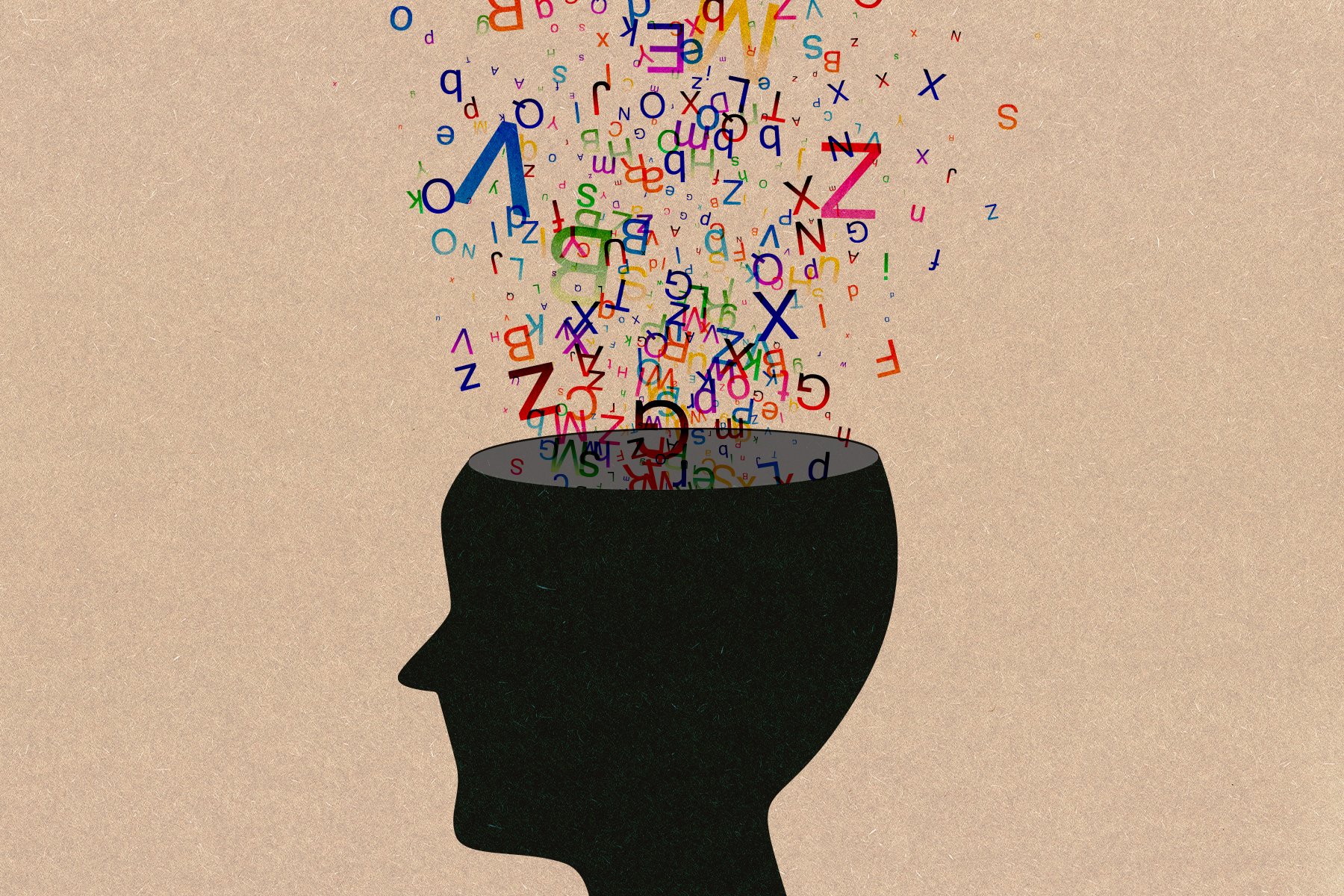
The rise of AI chatbots like ChatGPT is reshaping the writing landscape, prompting discussions about the future of the profession. A recent encounter at a birthday party in Sheffield revealed a growing trend: creators increasingly turn to AI for content generation. A German entrepreneur at the gathering shared his journey from academic philosophy to running a publishing company focused on AI-generated motivational e-books. His experience raises questions about the value and purpose of writing in an age where algorithms can produce text quickly and efficiently.
The industrial neighborhood of Neepsend, once a bustling hub of steel production, now embodies a shift in values and roles. The transformation from steelworkers to brand managers reflects a broader economic change. As automation and AI technologies advance, traditional careers, including writing, face significant challenges. This evolution mirrors the decline of manufacturing jobs, as entire ways of life become obsolete.
Reflecting on the significance of writing, the author, who has spent over a decade immersed in various writing roles, considers the implications of AI on creative professions. With the launch of ChatGPT nearly three years ago, generative AI became synonymous with promises of revolutionizing various sectors, including education and media. While many celebrate these advancements, others voice concerns about their potential downsides.
Critics cite several arguments against AI, including issues with accuracy, plagiarism, bias, and environmental impact. Yet as technology continues to evolve, many individuals find themselves drawn to tools that simplify writing tasks. As people increasingly rely on AI for tasks requiring formal composition, a nostalgia for a pre-AI world may overlook significant underlying issues.
Writing has long been influenced by algorithmic processes, and the introduction of AI tools merely accelerates this trend. Many writers have adapted to the demands of a market that prioritizes speed and efficiency over artistry. As a result, AI writing tools present both a challenge and an opportunity for those in the industry. While they may replace certain types of work, they also highlight a shift in the expectations surrounding content creation.
The future of writing may not solely depend on the existence of AI but rather on the way humans engage with the craft. The essence of writing lies in its ability to express unique perspectives shaped by individual experiences. Unlike AI, which generates text based on patterns and probabilities, human writers infuse their work with personal insights and emotions.
There is a growing recognition that the value of writing extends beyond mere information delivery. The creative process involves grappling with ideas, questioning assumptions, and exploring new perspectives. This complexity is something that AI, despite its capabilities, cannot replicate.
While the rise of AI may threaten jobs within the industry, it also presents an opportunity for writers to redefine their roles. If everyone can produce text with the help of chatbots, the market may saturate with similar content, leading to a potential devaluation of writing as an art form. Yet, this scenario could also inspire a new wave of creativity, pushing writers to experiment with unconventional styles and forms previously unexplored.
In this landscape, the challenge lies in distinguishing between product and process, consumption and engagement. As the industry evolves, the hope is that human writers will find renewed purpose in their craft, creating works that resonate on a deeper level. By leveraging AI for repetitive tasks, writers might have more time to explore the intricacies of their thoughts and experiences, ultimately enriching the literary landscape.
The conversation about AI’s role in writing is just beginning. As technology continues to advance, it remains essential to recognize the unique qualities that human writers bring to the table. The future may hold challenges, but it also offers the potential for reinvention and a return to the core of what makes writing meaningful.

iShares Core Dividend Growth ETF Faces Challenges; Alternatives Suggested

Discover 7 Scenic Hikes Near Calgary to Explore This Spring

Scientists Uncover Life’s Building Blocks in Ryugu Asteroid Samples

Windsor-Essex Unveils New Action Plan to Combat Substance Use

Boost Your Business Visibility with These Local SEO Strategies

East Algoma OPP Urges Public to Limit Travel Amid Hazardous Conditions

Universities Must Rethink Failure to Support Student Growth

Canada Invests $6.4 Million to Boost Green Shipping Corridors

Stony Plain Secures 14th Consecutive Award for Financial Reporting Excellence

Rhythm Pharmaceuticals Reports Strong Q4 Growth Ahead of FDA Decision

Brandon University’s Failed $5 Million Project Sparks Oversight Review

Microsoft Confirms U.S. Law Overrules Canadian Data Sovereignty

Winnipeg Celebrates Culinary Creativity During Le Burger Week 2025

Discover Aritzia’s Latest Fashion Trends: A Comprehensive Review

New SĆIȺNEW̱ SṮEȽIṮḴEȽ Elementary Opens in Langford for 2025/2026 Year

EngineAI Unveils T800 Humanoid Robot, Setting New Industry Standards

Montreal’s Groupe Marcelle Leads Canadian Cosmetic Industry Growth

Tech Innovator Amandipp Singh Transforms Hiring for Disabled

Dragon Ball: Sparking! Zero Launching on Switch and Switch 2 This November

Digg Relaunches as Founders Kevin Rose and Alexis Ohanian Join Forces
-
 Education7 months ago
Brandon University’s Failed $5 Million Project Sparks Oversight Review
-
 Science8 months ago
Microsoft Confirms U.S. Law Overrules Canadian Data Sovereignty
-
 Lifestyle7 months ago
Winnipeg Celebrates Culinary Creativity During Le Burger Week 2025
-
 Lifestyle4 months ago
Discover Aritzia’s Latest Fashion Trends: A Comprehensive Review
-
 Education7 months ago
New SĆIȺNEW̱ SṮEȽIṮḴEȽ Elementary Opens in Langford for 2025/2026 Year
-
 Business4 months ago
EngineAI Unveils T800 Humanoid Robot, Setting New Industry Standards
-
 Health8 months ago
Montreal’s Groupe Marcelle Leads Canadian Cosmetic Industry Growth
-
 Science8 months ago
Tech Innovator Amandipp Singh Transforms Hiring for Disabled
-
 Technology8 months ago
Dragon Ball: Sparking! Zero Launching on Switch and Switch 2 This November
-
 Technology3 months ago
Digg Relaunches as Founders Kevin Rose and Alexis Ohanian Join Forces
-

 Lifestyle4 weeks ago
Canmore’s Le Fournil Bakery to Close After 14 Successful Years
-
 Top Stories4 months ago
Canadiens Eye Elias Pettersson: What It Would Cost to Acquire Him
-

 Health7 months ago
Eganville Leader to Close in 2026 After 123 Years of Reporting
-

 Education8 months ago
Red River College Launches New Programs to Address Industry Needs
-

 Top Stories4 months ago
Nicol Brothers Shine as Wheat Kings Dominate U18 AAA Hockey
-

 Business8 months ago
BNA Brewing to Open New Bowling Alley in Downtown Penticton
-

 Business7 months ago
Rocket Lab Reports Strong Q2 2025 Revenue Growth and Future Plans
-

 Education6 months ago
Alberta Petition Aims to Redirect Funds from Private to Public Schools
-

 Lifestyle5 months ago
Edmonton’s Beloved Evolution Wonderlounge Closes, New Era Begins
-

 Education8 months ago
Alberta Teachers’ Strike: Potential Impacts on Students and Families
-

 Technology6 months ago
Discord Faces Serious Security Breach Affecting Millions
-

 Technology8 months ago
Google Pixel 10 Pro Fold Specs Unveiled Ahead of Launch
-

 Business7 months ago
Iconic Golden Lion Restaurant in South Surrey to Close After 50 Years
-
 Science8 months ago
China’s Wukong Spacesuit Sets New Standard for AI in Space