
Science
Western Researchers Unveil Breakthrough in Algae Biofuel Production

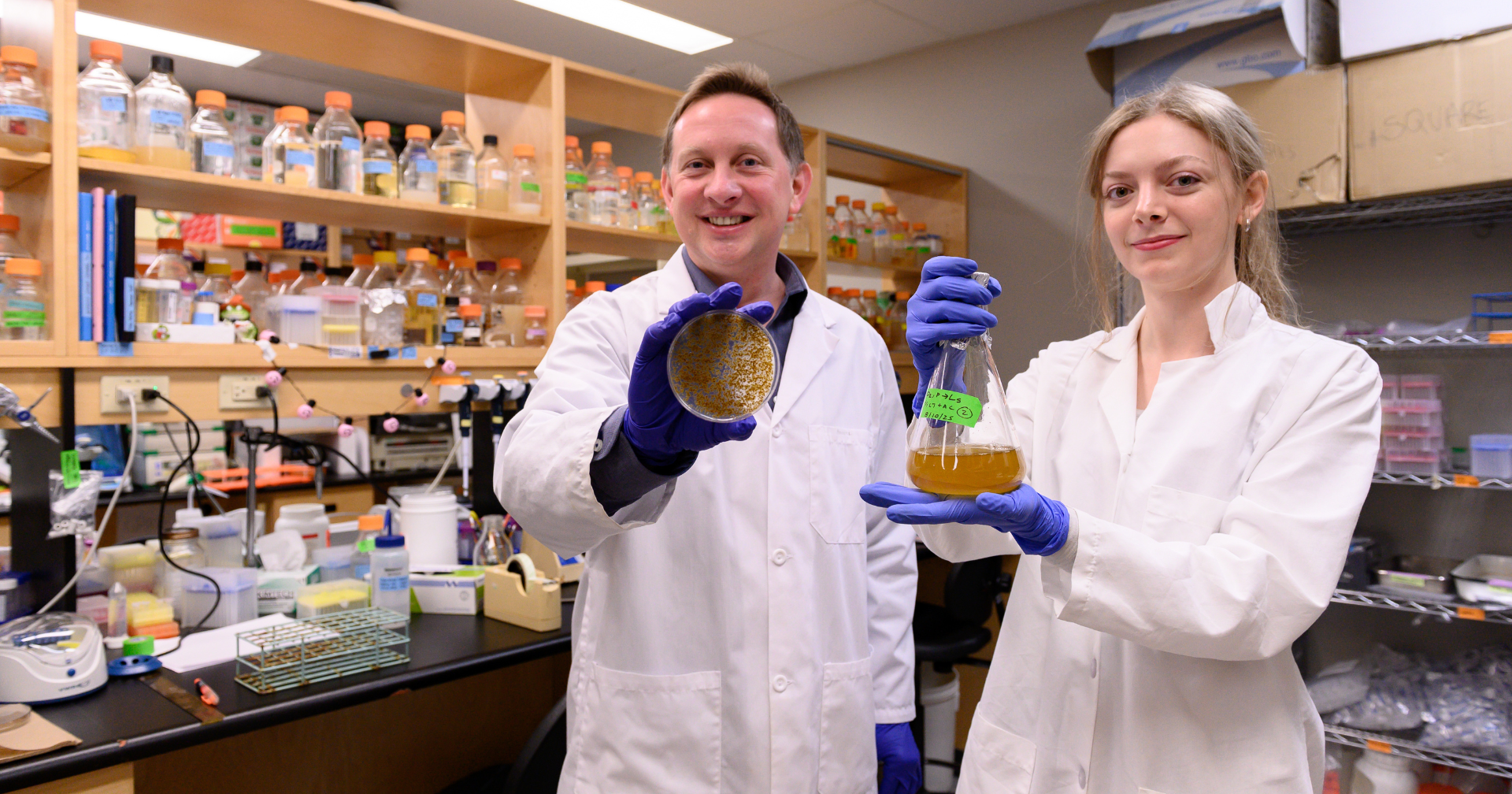
A recent study from researchers at Western University has revealed a groundbreaking method for genetically engineering diatoms, a type of single-celled algae that could pave the way for cheaper and cleaner biofuels and nutraceuticals. The innovative approach, led by Emma Walker, who recently completed her PhD, and Bogumil Karas, a professor at the Schulich School of Medicine & Dentistry, was published in the journal Nature Communications in March 2023.
This new technique enables the efficient delivery of DNA into diatoms, which are known for their ability to store energy in the form of natural oils. With this advancement, researchers are optimistic about developing sustainable fuels and health supplements, including omega-3 fatty acids and vitamins. “People have long been interested in genetically modifying diatoms to make medicines, biofuels and other valuable compounds,” said Walker.
Diatoms possess a protective silica shell known as a frustule, which complicates genetic engineering by making the process slow and unreliable. Walker’s research focused on overcoming this barrier, leading to significant breakthroughs in DNA delivery methods. During her experiments, Walker discovered that using an electroporation technique—where cells are temporarily permeabilized using electric pulses—could be enhanced by treating the diatoms with alcalase, an enzyme that breaks down the cell wall.
“I started the synthetic diatom project to develop tools that enable the delivery or replacement of individual genes,” explained Karas. Initially, Walker’s results yielded only a few colonies of modified cells, but with adjustments including the use of older diatom cultures, she dramatically increased the yield to over 20,000 colonies in a single trial.
This advancement holds promise for the future of biofuels and health foods. “This widens our ability to engineer the organism,” Walker noted, emphasizing the goal of eventually creating diatom strains that are controlled by synthetically constructed genomes. Furthermore, the researchers discovered that once the cell wall was compromised, a low-cost method using polyethylene glycol (PEG) significantly improved DNA insertion. This makes the technique more accessible to laboratories that may not have access to expensive electroporation equipment.
The implications of this research extend beyond local laboratories. The techniques developed have already been adapted for other diatom species through collaboration with Dr. Thomas Mock at the University of East Anglia in the UK. This international effort brings scientists closer to synthesizing DNA that can be utilized for greener energy technologies and new health solutions.
Karas highlighted the efficiency of the new method:
“Instead of spending weeks moving DNA through bacteria before it reaches a diatom, we can now introduce the synthetic DNA directly. This saves a lot of time, a lot of effort, reduces errors and opens up new possibilities.”
Walker’s research illustrates the importance of curiosity and observation in scientific advancement. “Sometimes the biggest advances come from noticing something unexpected and asking why,” she reflected, underscoring the significance of innovative thinking in tackling global challenges.
As researchers at Western University continue to explore the capabilities of diatoms, the potential for these organisms to contribute to sustainable energy and health solutions becomes increasingly tangible.

iShares Core Dividend Growth ETF Faces Challenges; Alternatives Suggested

Discover 7 Scenic Hikes Near Calgary to Explore This Spring

Scientists Uncover Life’s Building Blocks in Ryugu Asteroid Samples

Windsor-Essex Unveils New Action Plan to Combat Substance Use

Boost Your Business Visibility with These Local SEO Strategies

East Algoma OPP Urges Public to Limit Travel Amid Hazardous Conditions

Universities Must Rethink Failure to Support Student Growth

Canada Invests $6.4 Million to Boost Green Shipping Corridors

Stony Plain Secures 14th Consecutive Award for Financial Reporting Excellence

Rhythm Pharmaceuticals Reports Strong Q4 Growth Ahead of FDA Decision

Brandon University’s Failed $5 Million Project Sparks Oversight Review

Microsoft Confirms U.S. Law Overrules Canadian Data Sovereignty

Winnipeg Celebrates Culinary Creativity During Le Burger Week 2025

Discover Aritzia’s Latest Fashion Trends: A Comprehensive Review

New SĆIȺNEW̱ SṮEȽIṮḴEȽ Elementary Opens in Langford for 2025/2026 Year

EngineAI Unveils T800 Humanoid Robot, Setting New Industry Standards

Montreal’s Groupe Marcelle Leads Canadian Cosmetic Industry Growth

Tech Innovator Amandipp Singh Transforms Hiring for Disabled

Dragon Ball: Sparking! Zero Launching on Switch and Switch 2 This November

Digg Relaunches as Founders Kevin Rose and Alexis Ohanian Join Forces
-
 Education7 months ago
Brandon University’s Failed $5 Million Project Sparks Oversight Review
-
 Science8 months ago
Microsoft Confirms U.S. Law Overrules Canadian Data Sovereignty
-
 Lifestyle7 months ago
Winnipeg Celebrates Culinary Creativity During Le Burger Week 2025
-
 Lifestyle4 months ago
Discover Aritzia’s Latest Fashion Trends: A Comprehensive Review
-
 Education7 months ago
New SĆIȺNEW̱ SṮEȽIṮḴEȽ Elementary Opens in Langford for 2025/2026 Year
-
 Business4 months ago
EngineAI Unveils T800 Humanoid Robot, Setting New Industry Standards
-
 Health8 months ago
Montreal’s Groupe Marcelle Leads Canadian Cosmetic Industry Growth
-
 Science8 months ago
Tech Innovator Amandipp Singh Transforms Hiring for Disabled
-
 Technology8 months ago
Dragon Ball: Sparking! Zero Launching on Switch and Switch 2 This November
-
 Technology3 months ago
Digg Relaunches as Founders Kevin Rose and Alexis Ohanian Join Forces
-
 Top Stories4 months ago
Canadiens Eye Elias Pettersson: What It Would Cost to Acquire Him
-

 Lifestyle4 weeks ago
Canmore’s Le Fournil Bakery to Close After 14 Successful Years
-
 Health7 months ago
Eganville Leader to Close in 2026 After 123 Years of Reporting
-

 Education8 months ago
Red River College Launches New Programs to Address Industry Needs
-

 Top Stories4 months ago
Nicol Brothers Shine as Wheat Kings Dominate U18 AAA Hockey
-

 Business7 months ago
Rocket Lab Reports Strong Q2 2025 Revenue Growth and Future Plans
-

 Business8 months ago
BNA Brewing to Open New Bowling Alley in Downtown Penticton
-
 Education6 months ago
Alberta Petition Aims to Redirect Funds from Private to Public Schools
-

 Education8 months ago
Alberta Teachers’ Strike: Potential Impacts on Students and Families
-

 Technology6 months ago
Discord Faces Serious Security Breach Affecting Millions
-

 Technology8 months ago
Google Pixel 10 Pro Fold Specs Unveiled Ahead of Launch
-

 Lifestyle5 months ago
Edmonton’s Beloved Evolution Wonderlounge Closes, New Era Begins
-

 Business7 months ago
Iconic Golden Lion Restaurant in South Surrey to Close After 50 Years
-

 Science8 months ago
China’s Wukong Spacesuit Sets New Standard for AI in Space