
Science
UVic Biologists Harness AI to Decode Unique Fish Sounds

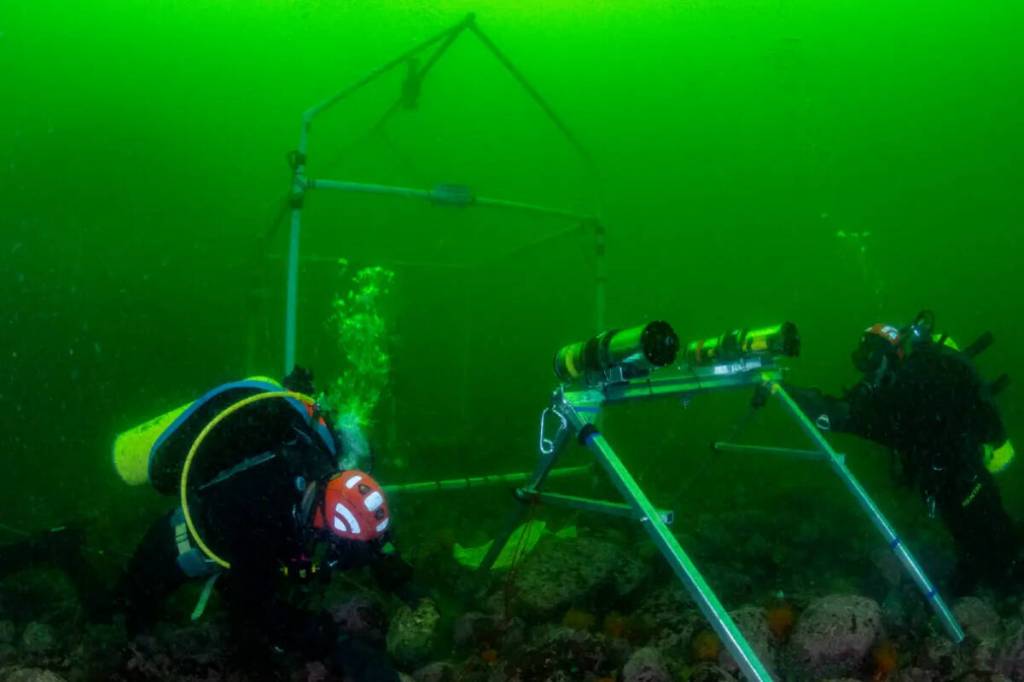
Researchers at the University of Victoria have made a significant breakthrough in understanding fish communication by identifying unique sounds produced by different species. Utilizing advanced machine learning techniques, the biologists determined that eight fish species native to Vancouver Island generate distinct sounds, enabling them to classify these calls with an impressive accuracy of 88 percent.
The study, led by PhD student Darienne Lancaster, employed a method known as passive acoustic monitoring. This approach involves collecting underwater audio and video data using a specialized sound localization array developed by former UVic PhD student Xavier Mouy. The research team analyzed the audio recordings to pinpoint differences in sound characteristics such as duration and frequency, which are critical for distinguishing between species.
Decoding Fish Communication
Lancaster expressed enthusiasm for the findings, stating, “We knew previously that many fish were making sounds in the wild, but we didn’t know which sounds belonged to which species, or if it was possible to tell these sounds apart.” The study revealed that the black rockfish produces a long, growling sound reminiscent of a frog’s croak, while the quillback rockfish emits a series of rapid knocks and grunts.
The research highlights specific behaviors associated with these sounds. For instance, quillback rockfish create rapid grunting noises when threatened by predators, suggesting a potential defensive mechanism. Conversely, the copper rockfish is known to make knocking sounds while pursuing prey along the ocean floor.
Global Implications of the Research
The techniques developed by Lancaster and her team could have far-reaching implications for marine biology. The AI model utilized a set of 47 different sound features to effectively differentiate between species calls, which can be adapted by scientists globally to analyze other fish sounds.
This groundbreaking research was funded by the Natural Sciences and Engineering Research Council of Canada and Fisheries and Oceans Canada. As scientists continue to explore the underwater soundscape, the ability to identify and understand fish communication may lead to deeper insights into their behavior, ecology, and conservation efforts, marking a significant advancement in marine research.

iShares Core Dividend Growth ETF Faces Challenges; Alternatives Suggested

Discover 7 Scenic Hikes Near Calgary to Explore This Spring

Scientists Uncover Life’s Building Blocks in Ryugu Asteroid Samples

Windsor-Essex Unveils New Action Plan to Combat Substance Use

Boost Your Business Visibility with These Local SEO Strategies

East Algoma OPP Urges Public to Limit Travel Amid Hazardous Conditions

Universities Must Rethink Failure to Support Student Growth

Canada Invests $6.4 Million to Boost Green Shipping Corridors

Stony Plain Secures 14th Consecutive Award for Financial Reporting Excellence

Rhythm Pharmaceuticals Reports Strong Q4 Growth Ahead of FDA Decision

Brandon University’s Failed $5 Million Project Sparks Oversight Review

Microsoft Confirms U.S. Law Overrules Canadian Data Sovereignty

Winnipeg Celebrates Culinary Creativity During Le Burger Week 2025

Discover Aritzia’s Latest Fashion Trends: A Comprehensive Review

New SĆIȺNEW̱ SṮEȽIṮḴEȽ Elementary Opens in Langford for 2025/2026 Year

EngineAI Unveils T800 Humanoid Robot, Setting New Industry Standards

Montreal’s Groupe Marcelle Leads Canadian Cosmetic Industry Growth

Tech Innovator Amandipp Singh Transforms Hiring for Disabled

Dragon Ball: Sparking! Zero Launching on Switch and Switch 2 This November

Digg Relaunches as Founders Kevin Rose and Alexis Ohanian Join Forces
-
 Education7 months ago
Brandon University’s Failed $5 Million Project Sparks Oversight Review
-
 Science8 months ago
Microsoft Confirms U.S. Law Overrules Canadian Data Sovereignty
-
 Lifestyle7 months ago
Winnipeg Celebrates Culinary Creativity During Le Burger Week 2025
-
 Lifestyle3 months ago
Discover Aritzia’s Latest Fashion Trends: A Comprehensive Review
-
 Education7 months ago
New SĆIȺNEW̱ SṮEȽIṮḴEȽ Elementary Opens in Langford for 2025/2026 Year
-
 Business4 months ago
EngineAI Unveils T800 Humanoid Robot, Setting New Industry Standards
-
 Health8 months ago
Montreal’s Groupe Marcelle Leads Canadian Cosmetic Industry Growth
-
 Science8 months ago
Tech Innovator Amandipp Singh Transforms Hiring for Disabled
-
 Technology8 months ago
Dragon Ball: Sparking! Zero Launching on Switch and Switch 2 This November
-
 Technology3 months ago
Digg Relaunches as Founders Kevin Rose and Alexis Ohanian Join Forces
-
 Top Stories4 months ago
Canadiens Eye Elias Pettersson: What It Would Cost to Acquire Him
-

 Lifestyle3 weeks ago
Canmore’s Le Fournil Bakery to Close After 14 Successful Years
-

 Health6 months ago
Eganville Leader to Close in 2026 After 123 Years of Reporting
-

 Education8 months ago
Red River College Launches New Programs to Address Industry Needs
-

 Top Stories4 months ago
Nicol Brothers Shine as Wheat Kings Dominate U18 AAA Hockey
-

 Business7 months ago
Rocket Lab Reports Strong Q2 2025 Revenue Growth and Future Plans
-

 Business8 months ago
BNA Brewing to Open New Bowling Alley in Downtown Penticton
-

 Education6 months ago
Alberta Petition Aims to Redirect Funds from Private to Public Schools
-

 Education8 months ago
Alberta Teachers’ Strike: Potential Impacts on Students and Families
-

 Technology6 months ago
Discord Faces Serious Security Breach Affecting Millions
-

 Technology8 months ago
Google Pixel 10 Pro Fold Specs Unveiled Ahead of Launch
-

 Lifestyle5 months ago
Edmonton’s Beloved Evolution Wonderlounge Closes, New Era Begins
-

 Business7 months ago
Iconic Golden Lion Restaurant in South Surrey to Close After 50 Years
-

 Science8 months ago
China’s Wukong Spacesuit Sets New Standard for AI in Space