
Science
UNBC Stem Cell Club Seeks Young Donors to Save Lives

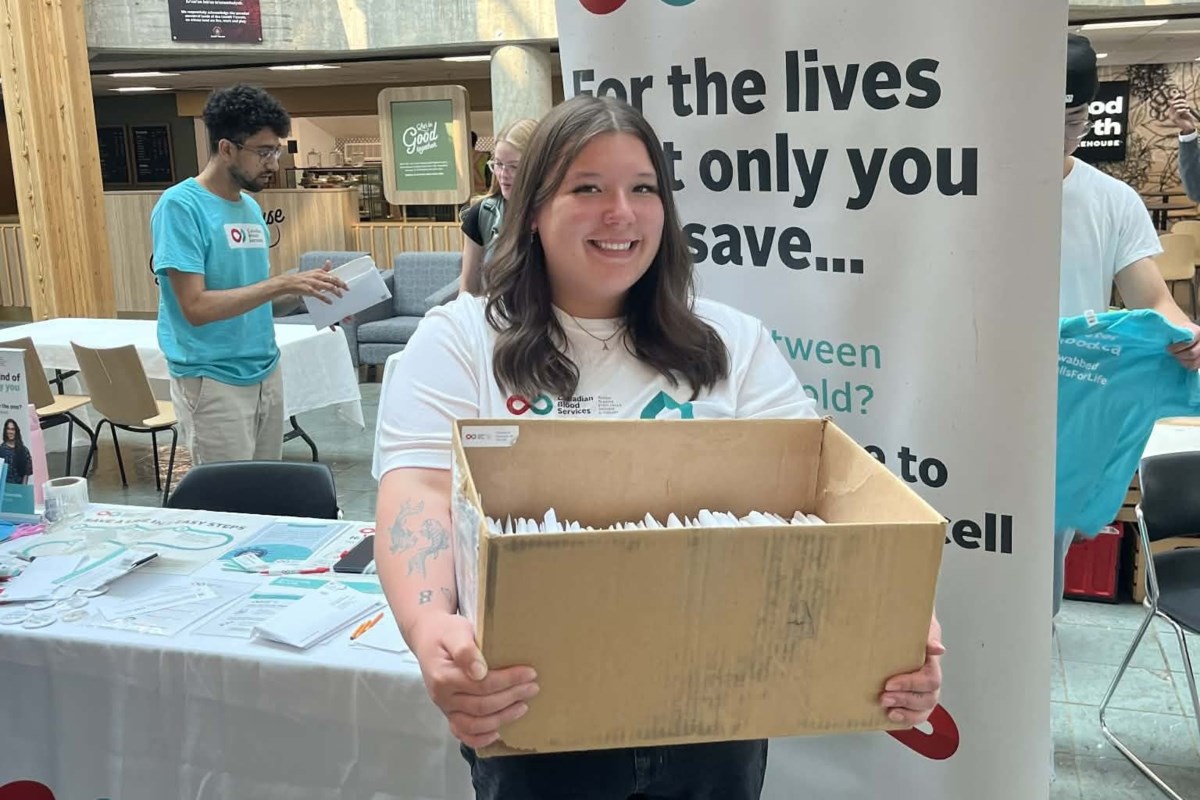
A student-led initiative at the University of Northern British Columbia (UNBC) is urging individuals aged 17 to 35 to join the stem cell donor registry. The UNBC Stem Cell Club, in collaboration with Canadian Blood Services and the national stem cell club, aims to recruit potential donors to assist patients in need of life-saving transplants.
Stem cell transplants offer critical treatment options for over 80 medical conditions, including blood cancers, sickle cell anemia, and various immune disorders. According to Zoe Younghusband, president of the UNBC Stem Cell Club, the organization focuses on increasing access to stem cell donors, particularly from ethnically diverse backgrounds. “We like to raise awareness and help build a culture of donation in Canada, especially in Northern British Columbia,” she stated.
The UNBC Stem Cell Club stands out as the northernmost club in British Columbia, with the next closest located in Kelowna. Younghusband emphasized the importance of local engagement, saying, “It’s nice to provide the opportunity in the North to potentially help save a life.”
Community Engagement and Events
To expand their outreach, the club recently organized a donor registry event at Pine Centre Mall and plans to host another at the College of New Caledonia. Currently, the club has registered 276 donors since its inception two years ago. Younghusband explained that the chances of finding a match among family members are approximately 25 percent, making it crucial to recruit a diverse range of donors.
With over 477,000 registered stem cell donors across Canada and more than 40 million worldwide, the need for new registrants remains significant. “And there are still so many people who can’t find a match,” Younghusband remarked, highlighting the ongoing challenges faced by patients in search of compatible donors.
Simple Registration Process
The process to become a stem cell donor has been streamlined, with 90 percent of procedures now performed through blood apheresis. Younghusband described it as “very similar to donating blood.” Initially, donors receive medication to increase stem cell production, after which blood is drawn and processed to collect the necessary cells before returning the remaining blood to the donor. This procedure typically lasts between four and six hours.
Alternatively, bone marrow donation, which involves a surgical procedure under anesthesia to extract cells from the pelvic bone, is conducted in larger medical centers. Cord blood donation, collected from the placenta after a baby’s birth, is another method available.
Working closely with Canadian Blood Services, the UNBC Stem Cell Club ensures that all donor expenses are covered. This includes compensation for lost wages, travel costs, meals, and recovery time. “So here it just starts with a cheek swab, and if you are a match, Canadian Blood Services will contact you,” Younghusband noted.
The next major campaign, titled “Black Donors Save Lives,” is scheduled for February 9, 2024, at UNBC. This initiative aims to encourage people of color to register as donors, further diversifying the donor pool.
For those interested in learning more about becoming a stem cell donor, the UNBC Stem Cell Club invites inquiries via email at [email protected] or through their Facebook page, where potential donors can hear testimonials from students who have already registered. Through these efforts, the club hopes to foster a stronger culture of donation in the region, ultimately contributing to saving lives.

iShares Core Dividend Growth ETF Faces Challenges; Alternatives Suggested

Discover 7 Scenic Hikes Near Calgary to Explore This Spring

Scientists Uncover Life’s Building Blocks in Ryugu Asteroid Samples

Windsor-Essex Unveils New Action Plan to Combat Substance Use

Boost Your Business Visibility with These Local SEO Strategies

East Algoma OPP Urges Public to Limit Travel Amid Hazardous Conditions

Universities Must Rethink Failure to Support Student Growth

Canada Invests $6.4 Million to Boost Green Shipping Corridors

Stony Plain Secures 14th Consecutive Award for Financial Reporting Excellence

Rhythm Pharmaceuticals Reports Strong Q4 Growth Ahead of FDA Decision

Brandon University’s Failed $5 Million Project Sparks Oversight Review

Microsoft Confirms U.S. Law Overrules Canadian Data Sovereignty

Winnipeg Celebrates Culinary Creativity During Le Burger Week 2025

Discover Aritzia’s Latest Fashion Trends: A Comprehensive Review

New SĆIȺNEW̱ SṮEȽIṮḴEȽ Elementary Opens in Langford for 2025/2026 Year

EngineAI Unveils T800 Humanoid Robot, Setting New Industry Standards

Montreal’s Groupe Marcelle Leads Canadian Cosmetic Industry Growth

Tech Innovator Amandipp Singh Transforms Hiring for Disabled

Dragon Ball: Sparking! Zero Launching on Switch and Switch 2 This November

Digg Relaunches as Founders Kevin Rose and Alexis Ohanian Join Forces
-
 Education7 months ago
Brandon University’s Failed $5 Million Project Sparks Oversight Review
-
 Science8 months ago
Microsoft Confirms U.S. Law Overrules Canadian Data Sovereignty
-
 Lifestyle7 months ago
Winnipeg Celebrates Culinary Creativity During Le Burger Week 2025
-
 Lifestyle4 months ago
Discover Aritzia’s Latest Fashion Trends: A Comprehensive Review
-
 Education7 months ago
New SĆIȺNEW̱ SṮEȽIṮḴEȽ Elementary Opens in Langford for 2025/2026 Year
-
 Business4 months ago
EngineAI Unveils T800 Humanoid Robot, Setting New Industry Standards
-
 Health8 months ago
Montreal’s Groupe Marcelle Leads Canadian Cosmetic Industry Growth
-
 Science8 months ago
Tech Innovator Amandipp Singh Transforms Hiring for Disabled
-
 Technology8 months ago
Dragon Ball: Sparking! Zero Launching on Switch and Switch 2 This November
-
 Technology3 months ago
Digg Relaunches as Founders Kevin Rose and Alexis Ohanian Join Forces
-
 Top Stories4 months ago
Canadiens Eye Elias Pettersson: What It Would Cost to Acquire Him
-

 Lifestyle4 weeks ago
Canmore’s Le Fournil Bakery to Close After 14 Successful Years
-

 Health7 months ago
Eganville Leader to Close in 2026 After 123 Years of Reporting
-

 Education8 months ago
Red River College Launches New Programs to Address Industry Needs
-

 Top Stories4 months ago
Nicol Brothers Shine as Wheat Kings Dominate U18 AAA Hockey
-

 Business7 months ago
Rocket Lab Reports Strong Q2 2025 Revenue Growth and Future Plans
-

 Business8 months ago
BNA Brewing to Open New Bowling Alley in Downtown Penticton
-

 Education6 months ago
Alberta Petition Aims to Redirect Funds from Private to Public Schools
-

 Education8 months ago
Alberta Teachers’ Strike: Potential Impacts on Students and Families
-

 Technology8 months ago
Google Pixel 10 Pro Fold Specs Unveiled Ahead of Launch
-

 Technology6 months ago
Discord Faces Serious Security Breach Affecting Millions
-

 Lifestyle5 months ago
Edmonton’s Beloved Evolution Wonderlounge Closes, New Era Begins
-

 Business7 months ago
Iconic Golden Lion Restaurant in South Surrey to Close After 50 Years
-

 Science8 months ago
China’s Wukong Spacesuit Sets New Standard for AI in Space