
Science
UBC Researchers Achieve Milestone in Stem Cell-Derived Immunotherapy

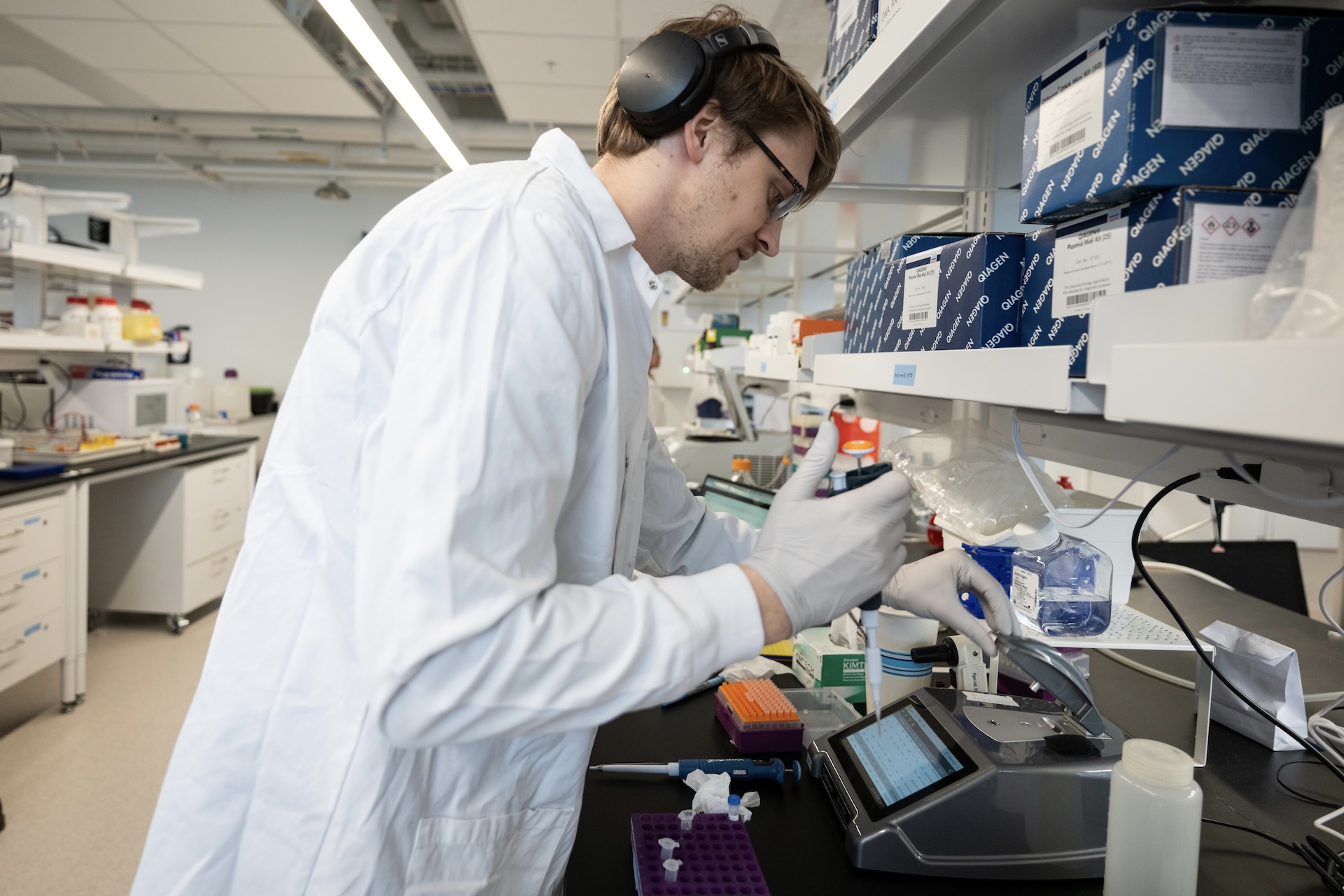
Researchers at the University of British Columbia have made a significant breakthrough in stem cell engineering by demonstrating the reliable production of human immune cells known as helper T cells. This advancement, detailed in a study published in Cell Stem Cell, addresses a major barrier to developing and manufacturing cell therapies, which could lead to more accessible treatments for conditions such as cancer and autoimmune disorders.
The study, co-led by Dr. Peter Zandstra, a professor and director of the UBC School of Biomedical Engineering, highlights the potential for engineered cell therapies to transform medical treatment. “This study addresses one of the biggest challenges in making these lifesaving treatments accessible to more people,” he stated, emphasizing the importance of scalable production methods.
In recent years, therapies like CAR-T have shown remarkable success in treating cancer by reprogramming immune cells to combat disease. Despite their efficacy, these treatments are often costly and complex, primarily because they require the use of a patient’s own cells, leading to long wait times for customized manufacturing.
The long-term vision, according to co-senior author Dr. Megan Levings, is to create off-the-shelf therapies that can be produced in advance from renewable sources like stem cells. “This would make treatments much more cost-effective and ready when patients need them,” she explained.
For effective cancer treatment, both killer T cells and helper T cells are essential. While the production of killer T cells from stem cells has progressed, generating helper T cells has remained a challenge. “Helper T cells are crucial for a strong and lasting immune response,” Dr. Levings noted, underlining the need for both cell types in therapy.
Unlocking Stem Cell Potential
The researchers overcame this challenge by fine-tuning biological signals during cell development, specifically focusing on a signal known as Notch. This signal is critical in the early stages but must be carefully regulated; prolonged Notch activity can inhibit the formation of helper T cells.
By adjusting the timing and intensity of Notch signaling, the team successfully directed stem cells to develop into either helper or killer T cells. Dr. Ross Jones, a research associate in the Zandstra Lab, remarked, “This essential step toward turning this discovery into a viable therapy demonstrates our ability to control stem cell fate in a laboratory setting that mirrors real-world biomanufacturing processes.”
The laboratory-grown helper T cells exhibited characteristics of mature immune cells, demonstrating diversity in immune receptors and the ability to specialize into various subtypes. PhD student Kevin Salim highlighted the significance of these findings, stating, “These cells look and act like genuine human helper T cells. That’s critical for future therapeutic potential.”
The ability to generate a balanced population of both helper and killer T cells is expected to enhance the efficacy of future stem cell-based therapies.
Implications for Future Therapies
Dr. Zandstra emphasized the broader implications of this research, stating, “This is a major step forward in our ability to develop scalable and affordable immune cell therapies.” The findings lay the groundwork for further investigations into the role of helper T cells in cancer elimination and the creation of new regulatory T cells for clinical applications.
As researchers continue to refine these techniques, the prospect of off-the-shelf cell therapies may soon become reality, potentially transforming the landscape of treatment for various diseases. This breakthrough signifies a pivotal moment in the quest for more effective and accessible medical therapies derived from stem cells.

iShares Core Dividend Growth ETF Faces Challenges; Alternatives Suggested

Discover 7 Scenic Hikes Near Calgary to Explore This Spring

Scientists Uncover Life’s Building Blocks in Ryugu Asteroid Samples

Windsor-Essex Unveils New Action Plan to Combat Substance Use

Boost Your Business Visibility with These Local SEO Strategies

East Algoma OPP Urges Public to Limit Travel Amid Hazardous Conditions

Universities Must Rethink Failure to Support Student Growth

Canada Invests $6.4 Million to Boost Green Shipping Corridors

Stony Plain Secures 14th Consecutive Award for Financial Reporting Excellence

Rhythm Pharmaceuticals Reports Strong Q4 Growth Ahead of FDA Decision

Brandon University’s Failed $5 Million Project Sparks Oversight Review

Microsoft Confirms U.S. Law Overrules Canadian Data Sovereignty

Discover Aritzia’s Latest Fashion Trends: A Comprehensive Review

Winnipeg Celebrates Culinary Creativity During Le Burger Week 2025

New SĆIȺNEW̱ SṮEȽIṮḴEȽ Elementary Opens in Langford for 2025/2026 Year

EngineAI Unveils T800 Humanoid Robot, Setting New Industry Standards

Montreal’s Groupe Marcelle Leads Canadian Cosmetic Industry Growth

Tech Innovator Amandipp Singh Transforms Hiring for Disabled

Dragon Ball: Sparking! Zero Launching on Switch and Switch 2 This November

Canmore’s Le Fournil Bakery to Close After 14 Successful Years
-
 Education7 months ago
Brandon University’s Failed $5 Million Project Sparks Oversight Review
-
 Science8 months ago
Microsoft Confirms U.S. Law Overrules Canadian Data Sovereignty
-
 Lifestyle4 months ago
Discover Aritzia’s Latest Fashion Trends: A Comprehensive Review
-
 Lifestyle8 months ago
Winnipeg Celebrates Culinary Creativity During Le Burger Week 2025
-
 Education8 months ago
New SĆIȺNEW̱ SṮEȽIṮḴEȽ Elementary Opens in Langford for 2025/2026 Year
-
 Business4 months ago
EngineAI Unveils T800 Humanoid Robot, Setting New Industry Standards
-
 Health8 months ago
Montreal’s Groupe Marcelle Leads Canadian Cosmetic Industry Growth
-
 Science8 months ago
Tech Innovator Amandipp Singh Transforms Hiring for Disabled
-
 Technology8 months ago
Dragon Ball: Sparking! Zero Launching on Switch and Switch 2 This November
-
 Lifestyle1 month ago
Canmore’s Le Fournil Bakery to Close After 14 Successful Years
-

 Technology3 months ago
Digg Relaunches as Founders Kevin Rose and Alexis Ohanian Join Forces
-
 Top Stories4 months ago
Canadiens Eye Elias Pettersson: What It Would Cost to Acquire Him
-

 Health7 months ago
Eganville Leader to Close in 2026 After 123 Years of Reporting
-

 Education8 months ago
Red River College Launches New Programs to Address Industry Needs
-

 Top Stories4 months ago
Nicol Brothers Shine as Wheat Kings Dominate U18 AAA Hockey
-

 Business8 months ago
BNA Brewing to Open New Bowling Alley in Downtown Penticton
-

 Business7 months ago
Rocket Lab Reports Strong Q2 2025 Revenue Growth and Future Plans
-

 Lifestyle5 months ago
Edmonton’s Beloved Evolution Wonderlounge Closes, New Era Begins
-

 Education6 months ago
Alberta Petition Aims to Redirect Funds from Private to Public Schools
-

 Education8 months ago
Alberta Teachers’ Strike: Potential Impacts on Students and Families
-

 Technology6 months ago
Discord Faces Serious Security Breach Affecting Millions
-

 Technology8 months ago
Google Pixel 10 Pro Fold Specs Unveiled Ahead of Launch
-

 Business8 months ago
Iconic Golden Lion Restaurant in South Surrey to Close After 50 Years
-

 Lifestyle6 months ago
Canadian Author Secures Funding to Write Book Without Financial Strain