
Science
Tensions Rise at NIH as Trump Administration Reshapes Leadership

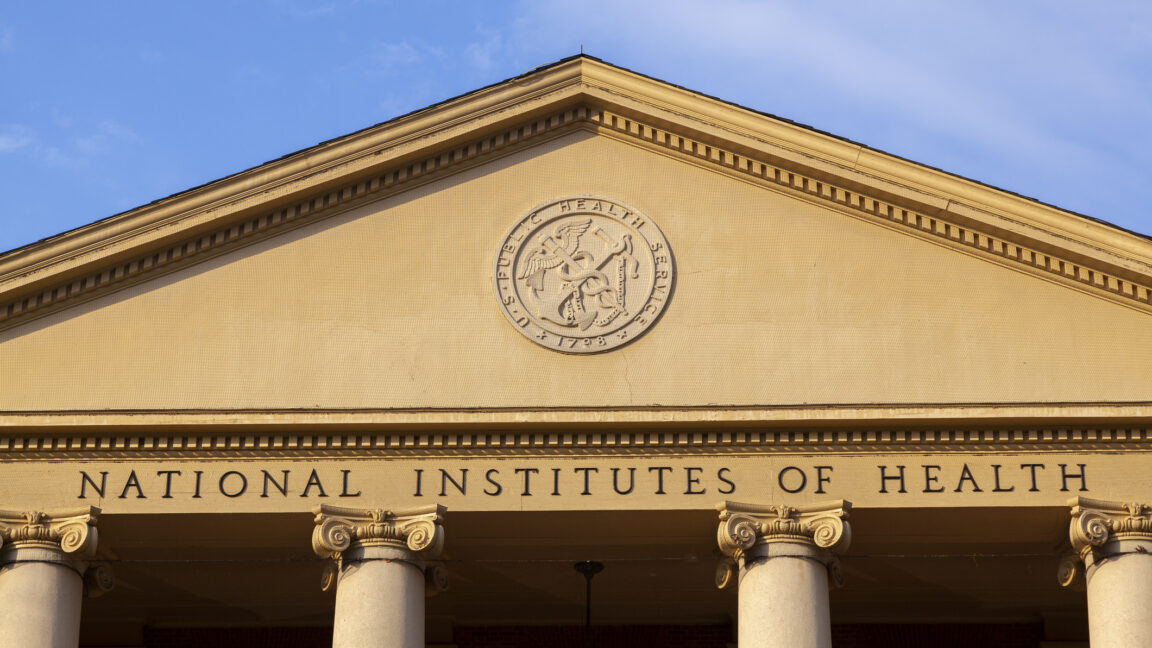
A power struggle is unfolding at the National Institutes of Health (NIH) as the Trump administration implements significant changes in leadership roles. This shift comes in the wake of President Donald Trump’s election in 2024, amid growing concerns about the politicization of one of the nation’s most influential biomedical research agencies.
A new presidential administration typically appoints around 4,000 individuals to various federal government positions, influencing the direction of agencies. Positions like the secretary of state are widely recognized, while others, such as the deputy assistant secretary for textiles, remain obscure. Historically, agencies like NIH have operated with fewer political appointees compared to other sectors of the federal government. As of November 2025, NIH employed approximately 17,500 staff after significant reductions, with only a handful of political roles.
The selection process for directors of NIH’s 27 institutes and centers has traditionally involved input from staff scientists and external experts, allowing for minimal political oversight. Concerns are mounting regarding the future of this arrangement under Trump’s administration, which is perceived by some as a move toward increased political influence in scientific decision-making.
Critics argue that the agency, which has enjoyed bipartisan support for decades, is now facing scrutiny from conservative lawmakers questioning its spending practices. The COVID-19 pandemic intensified these criticisms, particularly towards figures like Anthony Fauci, who directed the National Institute of Allergy and Infectious Diseases until his retirement in 2022. Fauci became a polarizing figure, particularly among conservative circles, where he was viewed as an unelected official wielding significant power.
In response to perceived shortcomings in NIH’s leadership structure, calls for reform have emerged. In 2019, the agency announced plans to impose term limits on certain midlevel roles to promote diversity in management. Recently, Joseph Marine, a physician at Johns Hopkins University, advocated for term limits for directors of individual NIH institutes, arguing that regular leadership turnover fosters innovation and reassessment of priorities.
The political landscape shifted significantly when Trump appointed Jay Bhattacharya, a prominent critic of NIH, to lead the agency shortly after his election. His appointment indicated a clear intention to reform NIH’s management, marking a departure from traditional practices. Former NIH official Mike Lauer noted signs of increased political scrutiny regarding the selection of institute directors, asserting that frustrations existed around the agency’s direction being influenced by individuals outside the political sphere.
Reports indicate that after Trump’s inauguration, several senior NIH officials, including Lawrence Tabak, the principal deputy director, were placed on administrative leave or departed abruptly. The number of political appointees at NIH rose from four to nine by June 2025, exceeding levels seen in previous years. This included appointments of individuals like Seana Cranston as chief of staff to the NIH Director, replacing a long-serving civil servant.
Changes to the hiring processes for the 27 NIH institute and center directors have also raised eyebrows. In spring 2025, five directors, including NIAID’s head, were dismissed or placed on administrative leave. Additionally, the search committee for the National Institute of Mental Health was reportedly disbanded and then hastily reconvened, leading to concerns over the transparency and legitimacy of the hiring process.
The abrupt appointment of a personal associate of Vice President JD Vance to lead the National Institute of Environmental Health Sciences, without a visible search process, was described by former officials as unprecedented. By late 2025, there were 15 leadership vacancies at NIH, prompting speculation that the current administration seeks to assert more political control over key positions.
Insiders have expressed worries that the current rapid hiring practices lack the thoroughness of traditional processes that included both career scientists and external experts. Mark Histed, an NIH scientist, emphasized the importance of external members in search committees to prevent politicization. He argued that a non-political approach has historically contributed to NIH’s scientific success over the past 80 years.
Congressional members have taken note of these developments. Language included in ongoing appropriations bills urges NIH to maintain its practice of involving external scientists in hiring processes. In January 2025, Representative Diana DeGette introduced a bill aimed at protecting NIH from political interference, proposing to limit the number of political appointees within the agency.
Lauer pointed out that the ongoing struggle reflects a historical tension between presidential administrations seeking greater control and civil servants resisting perceived encroachments. Politicians often argue that increased political oversight enhances responsiveness to the electorate, but Lauer highlighted potential downsides, such as short-term thinking and loss of expertise.
As the political landscape at NIH continues to evolve, the implications for scientific integrity and research funding remain to be seen. The ongoing changes may alter how the agency operates and how its leadership is selected, potentially reshaping the future of biomedical research in the United States.

iShares Core Dividend Growth ETF Faces Challenges; Alternatives Suggested

Discover 7 Scenic Hikes Near Calgary to Explore This Spring

Scientists Uncover Life’s Building Blocks in Ryugu Asteroid Samples

Windsor-Essex Unveils New Action Plan to Combat Substance Use

Boost Your Business Visibility with These Local SEO Strategies

East Algoma OPP Urges Public to Limit Travel Amid Hazardous Conditions

Universities Must Rethink Failure to Support Student Growth

Canada Invests $6.4 Million to Boost Green Shipping Corridors

Stony Plain Secures 14th Consecutive Award for Financial Reporting Excellence

Rhythm Pharmaceuticals Reports Strong Q4 Growth Ahead of FDA Decision

Brandon University’s Failed $5 Million Project Sparks Oversight Review

Microsoft Confirms U.S. Law Overrules Canadian Data Sovereignty

Winnipeg Celebrates Culinary Creativity During Le Burger Week 2025

Discover Aritzia’s Latest Fashion Trends: A Comprehensive Review

New SĆIȺNEW̱ SṮEȽIṮḴEȽ Elementary Opens in Langford for 2025/2026 Year

EngineAI Unveils T800 Humanoid Robot, Setting New Industry Standards

Montreal’s Groupe Marcelle Leads Canadian Cosmetic Industry Growth

Tech Innovator Amandipp Singh Transforms Hiring for Disabled

Dragon Ball: Sparking! Zero Launching on Switch and Switch 2 This November

Digg Relaunches as Founders Kevin Rose and Alexis Ohanian Join Forces
-
 Education7 months ago
Brandon University’s Failed $5 Million Project Sparks Oversight Review
-
 Science8 months ago
Microsoft Confirms U.S. Law Overrules Canadian Data Sovereignty
-
 Lifestyle7 months ago
Winnipeg Celebrates Culinary Creativity During Le Burger Week 2025
-
 Lifestyle4 months ago
Discover Aritzia’s Latest Fashion Trends: A Comprehensive Review
-
 Education7 months ago
New SĆIȺNEW̱ SṮEȽIṮḴEȽ Elementary Opens in Langford for 2025/2026 Year
-
 Business4 months ago
EngineAI Unveils T800 Humanoid Robot, Setting New Industry Standards
-
 Health8 months ago
Montreal’s Groupe Marcelle Leads Canadian Cosmetic Industry Growth
-
 Science8 months ago
Tech Innovator Amandipp Singh Transforms Hiring for Disabled
-
 Technology8 months ago
Dragon Ball: Sparking! Zero Launching on Switch and Switch 2 This November
-
 Technology3 months ago
Digg Relaunches as Founders Kevin Rose and Alexis Ohanian Join Forces
-
 Top Stories4 months ago
Canadiens Eye Elias Pettersson: What It Would Cost to Acquire Him
-

 Lifestyle4 weeks ago
Canmore’s Le Fournil Bakery to Close After 14 Successful Years
-

 Health6 months ago
Eganville Leader to Close in 2026 After 123 Years of Reporting
-

 Education8 months ago
Red River College Launches New Programs to Address Industry Needs
-

 Top Stories4 months ago
Nicol Brothers Shine as Wheat Kings Dominate U18 AAA Hockey
-

 Business7 months ago
Rocket Lab Reports Strong Q2 2025 Revenue Growth and Future Plans
-

 Business8 months ago
BNA Brewing to Open New Bowling Alley in Downtown Penticton
-

 Education6 months ago
Alberta Petition Aims to Redirect Funds from Private to Public Schools
-

 Education8 months ago
Alberta Teachers’ Strike: Potential Impacts on Students and Families
-

 Technology6 months ago
Discord Faces Serious Security Breach Affecting Millions
-

 Technology8 months ago
Google Pixel 10 Pro Fold Specs Unveiled Ahead of Launch
-

 Lifestyle5 months ago
Edmonton’s Beloved Evolution Wonderlounge Closes, New Era Begins
-

 Business7 months ago
Iconic Golden Lion Restaurant in South Surrey to Close After 50 Years
-

 Science8 months ago
China’s Wukong Spacesuit Sets New Standard for AI in Space