
Science
Public Hearings Underway for Saskatchewan’s First Uranium Mine in 20 Years

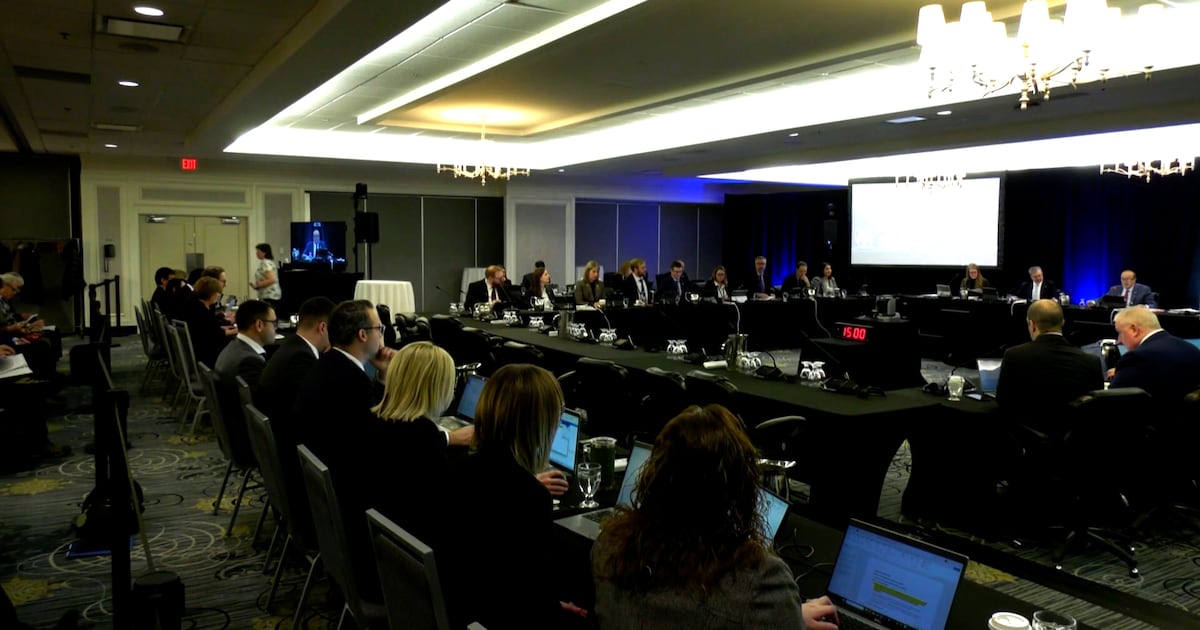
Public hearings have commenced in Saskatoon regarding the proposed Wheeler River Project, marking the first time in two decades that a uranium mine has sought regulatory approval in Canada. The hearings, conducted by the Canadian Nuclear Safety Commission (CNSC), are taking place at the Sheraton Cavalier Hotel and will run until March 15, 2024. The focus is on environmental assessments and consultations with Indigenous communities, with the aim of addressing public concerns before a final decision is made.
According to Candace Salmon, Commissioner Registrar for the CNSC, these hearings provide a platform for stakeholders to voice their opinions. “It’s a chance to get everyone together for the commission to hear what it is that people are concerned about and be able to consider that in making their decision,” she stated. The CNSC is responsible for ensuring the safety of people and the environment while regulating the nuclear industry across Canada.
The proposed mine, owned by Denison Mines Corp., utilizes an in-situ recovery method and is situated at the southwestern edge of the Athabasca Basin in northern Saskatchewan. The hearings represent a crucial step for Denison in securing the necessary licenses and federal approval to proceed with construction. As David Cates, CEO and President of Denison, noted, “Almost a precondition to having one of these hearings is that you’ve gone through years of rigorous and robust review to assess the technical merits of your project and the engagement efforts you’ve gone through.”
The English River First Nation, whose lands are within the Athabasca Basin, has been involved in consultations with Denison for nearly ten years. Cheyenna Hunt, a representative of the First Nation, emphasized that their relationship with Denison differs significantly from past interactions with other mining companies. “Our history with the uranium industry partners has been one that I likened to an arranged marriage, where our nation never really got a choice as to whether those uranium mines got built or not,” she explained. Hunt acknowledged that Denison’s approach has been more inclusive, with Indigenous concerns being prioritized from the onset.
Hunt initially expressed skepticism about the project’s necessity, asking, “Why do we need another uranium mine in our backyard?” However, following discussions focused on treaty and environmental rights, she reached a more neutral stance. Denison’s commitment to addressing community concerns, including protections for traditional land use and opportunities for training and employment, has fostered a positive dialogue.
During the hearings, participants raised additional concerns about potential water contamination, increased traffic on local roads, and the technology employed in the mining process. The Wheeler River Project is located approximately 35 kilometers southeast of Cameco’s McArthur River mine, which is known for its significant uranium deposits.
The project is estimated to generate around $1.7 billion in income taxes and royalties, with an anticipated workforce of 300 to 400 people during the two-year construction phase. Once operational, the mine is expected to employ 150 people for a decade. Cates highlighted the project’s potential to provide enough uranium to power around one million homes for 100 years, stating, “It allows us to rely on this economic engine of Saskatchewan to support climate change.”
In total, 16 presenters are scheduled to speak during the hearings. The CNSC will take up to 120 days to reach a decision regarding the project after the hearings conclude. The regulatory path for Denison is reminiscent of other uranium projects in the region, including the Cigar Lake mine, which faced significant delays before its completion in 2014 after receiving initial regulatory approval in 2005.
The outcome of these hearings will have lasting implications for both the local communities and the future of uranium mining in Canada. As the world shifts toward cleaner energy sources, the balance between resource development and environmental stewardship remains a central theme in this ongoing discussion.

iShares Core Dividend Growth ETF Faces Challenges; Alternatives Suggested

Discover 7 Scenic Hikes Near Calgary to Explore This Spring

Scientists Uncover Life’s Building Blocks in Ryugu Asteroid Samples

Windsor-Essex Unveils New Action Plan to Combat Substance Use

Boost Your Business Visibility with These Local SEO Strategies

East Algoma OPP Urges Public to Limit Travel Amid Hazardous Conditions

Universities Must Rethink Failure to Support Student Growth

Canada Invests $6.4 Million to Boost Green Shipping Corridors

Stony Plain Secures 14th Consecutive Award for Financial Reporting Excellence

Rhythm Pharmaceuticals Reports Strong Q4 Growth Ahead of FDA Decision

Brandon University’s Failed $5 Million Project Sparks Oversight Review

Microsoft Confirms U.S. Law Overrules Canadian Data Sovereignty

Winnipeg Celebrates Culinary Creativity During Le Burger Week 2025

Discover Aritzia’s Latest Fashion Trends: A Comprehensive Review

New SĆIȺNEW̱ SṮEȽIṮḴEȽ Elementary Opens in Langford for 2025/2026 Year

EngineAI Unveils T800 Humanoid Robot, Setting New Industry Standards

Montreal’s Groupe Marcelle Leads Canadian Cosmetic Industry Growth

Tech Innovator Amandipp Singh Transforms Hiring for Disabled

Dragon Ball: Sparking! Zero Launching on Switch and Switch 2 This November

Digg Relaunches as Founders Kevin Rose and Alexis Ohanian Join Forces
-
 Education7 months ago
Brandon University’s Failed $5 Million Project Sparks Oversight Review
-
 Science8 months ago
Microsoft Confirms U.S. Law Overrules Canadian Data Sovereignty
-
 Lifestyle7 months ago
Winnipeg Celebrates Culinary Creativity During Le Burger Week 2025
-
 Lifestyle4 months ago
Discover Aritzia’s Latest Fashion Trends: A Comprehensive Review
-
 Education7 months ago
New SĆIȺNEW̱ SṮEȽIṮḴEȽ Elementary Opens in Langford for 2025/2026 Year
-
 Business4 months ago
EngineAI Unveils T800 Humanoid Robot, Setting New Industry Standards
-
 Health8 months ago
Montreal’s Groupe Marcelle Leads Canadian Cosmetic Industry Growth
-
 Science8 months ago
Tech Innovator Amandipp Singh Transforms Hiring for Disabled
-
 Technology8 months ago
Dragon Ball: Sparking! Zero Launching on Switch and Switch 2 This November
-
 Technology3 months ago
Digg Relaunches as Founders Kevin Rose and Alexis Ohanian Join Forces
-
 Top Stories4 months ago
Canadiens Eye Elias Pettersson: What It Would Cost to Acquire Him
-

 Lifestyle4 weeks ago
Canmore’s Le Fournil Bakery to Close After 14 Successful Years
-

 Health7 months ago
Eganville Leader to Close in 2026 After 123 Years of Reporting
-

 Education8 months ago
Red River College Launches New Programs to Address Industry Needs
-

 Top Stories4 months ago
Nicol Brothers Shine as Wheat Kings Dominate U18 AAA Hockey
-

 Business7 months ago
Rocket Lab Reports Strong Q2 2025 Revenue Growth and Future Plans
-

 Business8 months ago
BNA Brewing to Open New Bowling Alley in Downtown Penticton
-

 Education6 months ago
Alberta Petition Aims to Redirect Funds from Private to Public Schools
-

 Education8 months ago
Alberta Teachers’ Strike: Potential Impacts on Students and Families
-

 Technology6 months ago
Discord Faces Serious Security Breach Affecting Millions
-

 Technology8 months ago
Google Pixel 10 Pro Fold Specs Unveiled Ahead of Launch
-

 Lifestyle5 months ago
Edmonton’s Beloved Evolution Wonderlounge Closes, New Era Begins
-

 Business7 months ago
Iconic Golden Lion Restaurant in South Surrey to Close After 50 Years
-

 Science8 months ago
China’s Wukong Spacesuit Sets New Standard for AI in Space