
Science
Nova Scotia and Dalhousie University Launch Natural Gas Initiative

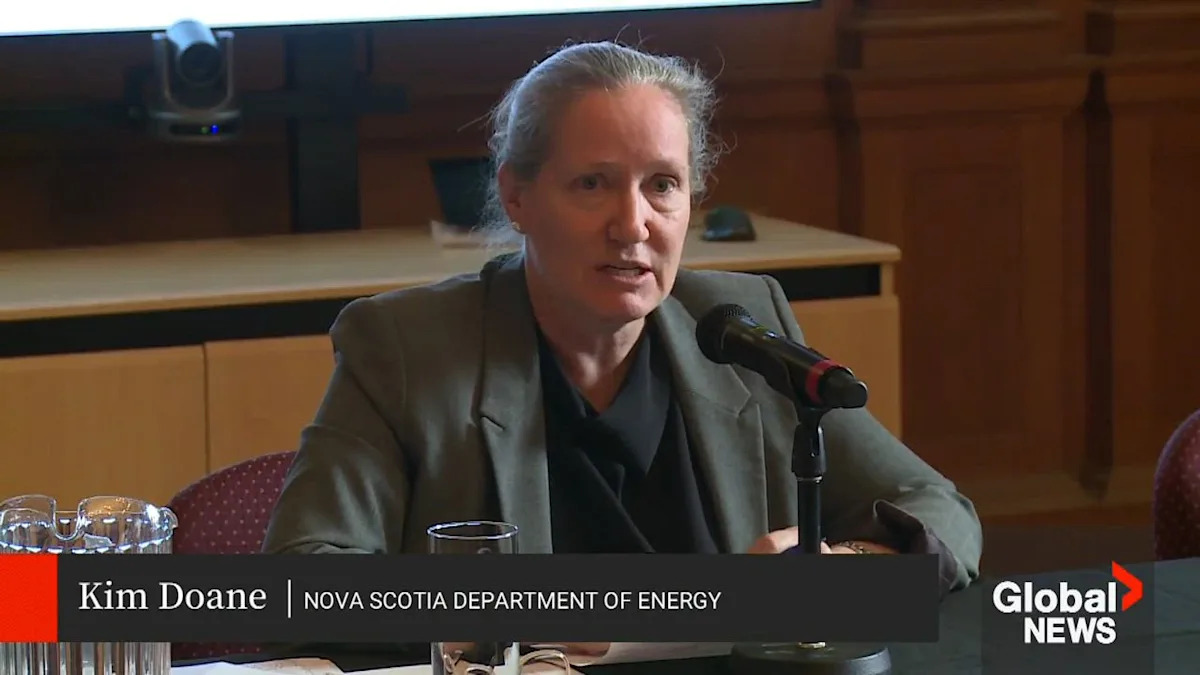
The Nova Scotia government has initiated a partnership with Dalhousie University to oversee a research program aimed at identifying potential locations for natural gas drilling across the province. This collaboration marks a significant step towards developing a local natural gas industry, but it has sparked debate among environmental advocates who argue it may lead to adverse ecological consequences.
Under the agreement, researchers at Dalhousie University will conduct extensive geological surveys and analyses to pinpoint viable drilling sites. The project seeks to bolster Nova Scotia’s energy sector, which has been transitioning towards more sustainable practices in recent years. The government aims to explore the natural gas reserves beneath the province, potentially enhancing energy security and contributing to the local economy.
Critics, including environmental groups and some community members, have expressed concerns regarding the potential risks associated with natural gas extraction. Mitchell Bailey, a prominent environmental activist, voiced opposition to the initiative, stating that it contradicts the province’s commitments to reducing carbon emissions and combating climate change. He remarked, “Investing in fossil fuels is a step backward when we should be focusing on renewable energy solutions.”
While proponents of the initiative argue that natural gas can serve as a transitional fuel source that supports the shift from coal and oil, detractors highlight the long-term implications of fossil fuel dependence. They warn that the environmental risks, including water contamination and increased greenhouse gas emissions, may outweigh the economic benefits touted by the government.
The partnership with Dalhousie University is set to unfold over the next few years, with preliminary findings expected by late 2025. The research will be informed by the university’s expertise in environmental science and geology. Additionally, the government has pledged to engage with local communities and stakeholders throughout the process, aiming to address concerns and ensure transparency.
In a statement, the Nova Scotia government emphasized its commitment to balancing economic development with environmental stewardship. “We believe that responsible exploration of our natural resources can coexist with our environmental goals,” a spokesperson said.
As the province navigates this complex landscape, the outcome of the research program will likely have lasting implications for Nova Scotia’s energy future. The debate surrounding the initiative underscores the ongoing struggle between economic aspirations and environmental protection, a tension felt in many regions globally as they seek sustainable pathways forward.
With the partnership now in motion, attention will turn to the findings that emerge from Dalhousie University. The results may ultimately shape not just the future of natural gas in Nova Scotia but also the broader discourse on energy production and environmental responsibility in the 21st century.

iShares Core Dividend Growth ETF Faces Challenges; Alternatives Suggested

Discover 7 Scenic Hikes Near Calgary to Explore This Spring

Scientists Uncover Life’s Building Blocks in Ryugu Asteroid Samples

Windsor-Essex Unveils New Action Plan to Combat Substance Use

Boost Your Business Visibility with These Local SEO Strategies

East Algoma OPP Urges Public to Limit Travel Amid Hazardous Conditions

Universities Must Rethink Failure to Support Student Growth

Canada Invests $6.4 Million to Boost Green Shipping Corridors

Stony Plain Secures 14th Consecutive Award for Financial Reporting Excellence

Rhythm Pharmaceuticals Reports Strong Q4 Growth Ahead of FDA Decision

Brandon University’s Failed $5 Million Project Sparks Oversight Review

Microsoft Confirms U.S. Law Overrules Canadian Data Sovereignty

Discover Aritzia’s Latest Fashion Trends: A Comprehensive Review

Winnipeg Celebrates Culinary Creativity During Le Burger Week 2025

New SĆIȺNEW̱ SṮEȽIṮḴEȽ Elementary Opens in Langford for 2025/2026 Year

EngineAI Unveils T800 Humanoid Robot, Setting New Industry Standards

Montreal’s Groupe Marcelle Leads Canadian Cosmetic Industry Growth

Tech Innovator Amandipp Singh Transforms Hiring for Disabled

Canmore’s Le Fournil Bakery to Close After 14 Successful Years

Dragon Ball: Sparking! Zero Launching on Switch and Switch 2 This November
-
 Education7 months ago
Brandon University’s Failed $5 Million Project Sparks Oversight Review
-
 Science8 months ago
Microsoft Confirms U.S. Law Overrules Canadian Data Sovereignty
-
 Lifestyle4 months ago
Discover Aritzia’s Latest Fashion Trends: A Comprehensive Review
-
 Lifestyle8 months ago
Winnipeg Celebrates Culinary Creativity During Le Burger Week 2025
-
 Education8 months ago
New SĆIȺNEW̱ SṮEȽIṮḴEȽ Elementary Opens in Langford for 2025/2026 Year
-
 Business5 months ago
EngineAI Unveils T800 Humanoid Robot, Setting New Industry Standards
-
 Health8 months ago
Montreal’s Groupe Marcelle Leads Canadian Cosmetic Industry Growth
-
 Science8 months ago
Tech Innovator Amandipp Singh Transforms Hiring for Disabled
-
 Lifestyle1 month ago
Canmore’s Le Fournil Bakery to Close After 14 Successful Years
-
 Technology8 months ago
Dragon Ball: Sparking! Zero Launching on Switch and Switch 2 This November
-

 Technology3 months ago
Digg Relaunches as Founders Kevin Rose and Alexis Ohanian Join Forces
-
 Top Stories4 months ago
Canadiens Eye Elias Pettersson: What It Would Cost to Acquire Him
-

 Health7 months ago
Eganville Leader to Close in 2026 After 123 Years of Reporting
-

 Education8 months ago
Red River College Launches New Programs to Address Industry Needs
-

 Top Stories4 months ago
Nicol Brothers Shine as Wheat Kings Dominate U18 AAA Hockey
-

 Lifestyle5 months ago
Edmonton’s Beloved Evolution Wonderlounge Closes, New Era Begins
-

 Business8 months ago
BNA Brewing to Open New Bowling Alley in Downtown Penticton
-

 Business7 months ago
Rocket Lab Reports Strong Q2 2025 Revenue Growth and Future Plans
-

 Education6 months ago
Alberta Petition Aims to Redirect Funds from Private to Public Schools
-

 Technology6 months ago
Discord Faces Serious Security Breach Affecting Millions
-

 Education8 months ago
Alberta Teachers’ Strike: Potential Impacts on Students and Families
-

 Technology8 months ago
Google Pixel 10 Pro Fold Specs Unveiled Ahead of Launch
-

 Business8 months ago
Iconic Golden Lion Restaurant in South Surrey to Close After 50 Years
-

 Lifestyle6 months ago
Canadian Author Secures Funding to Write Book Without Financial Strain