
Science
NASA Moves Artemis II Rocket for Repairs, Delaying Launch Plans

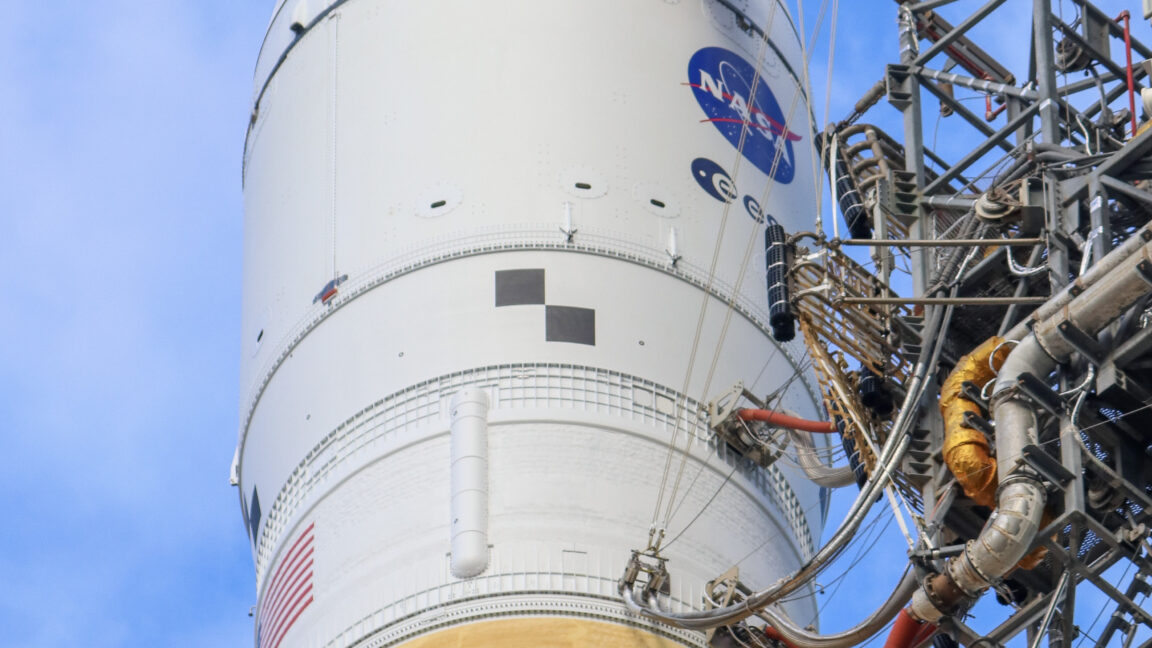
NASA has announced that it will need to bring the Artemis II rocket back to its hangar for repairs, following the discovery of a new issue. Just a day after expressing optimism about a potential launch in March 2024, NASA revealed that a problem with helium flow into the upper stage of the Space Launch System (SLS) rocket has necessitated this decision.
On March 2, 2024, NASA Administrator Jared Isaacman shared the update via social media, explaining that the issue arose during routine operations the previous evening. The helium flow interruption will require the rocket to be rolled back to the Vehicle Assembly Building (VAB) in Florida for remediation.
NASA teams will prepare to transport the 322-foot-tall (98-meter) SLS rocket off Launch Complex 39B using a crawler-transporter for the four-mile journey. Isaacman noted, “Regardless of the potential fault, accessing and remediating any of these issues can only be performed in the VAB.” Unfortunately, this means the anticipated launch window of March 6 is no longer viable, as the agency had hoped to utilize five available launch opportunities throughout the month.
The helium issue adds to a series of challenges faced by the Artemis II mission. Earlier this month, NASA had to forgo launch opportunities after a fueling test revealed a hydrogen leak in the SLS rocket. Following the replacement of seals in the fueling line, a subsequent test showed no significant leaks, raising hopes for a timely mission.
The helium system is crucial for purging the upper stage engine and pressurizing its propellant tanks. NASA has assured the public that the rocket is currently in a “safe configuration,” with a backup system supplying purge air to the upper stage. The agency is investigating the cause of the helium flow interruption, which may relate to a failed check valve, an umbilical interface issue, or a filter malfunction.
While the rocket remains at the launch pad, technicians cannot access the upper stage to repair the problem. Inside the VAB, ground teams will extend work platforms around the rocket to facilitate access to the affected areas. NASA aims to preserve the April launch window, contingent on the results of ongoing investigations and repair efforts.
The agency must also consider the condition of the seals on the hydrogen umbilical, which have previously caused leaks during both Artemis I and Artemis II preparations. NASA officials are examining the impact of vibrations during transport, which could potentially damage these seals.
In addition to addressing the helium issue, NASA plans to replace the batteries on the rocket’s flight termination system, which are set to expire next month.
Artemis II will mark the first crewed mission to the Moon’s vicinity since 1972 and the first flight of astronauts aboard NASA’s SLS rocket and Orion spacecraft. Crew members, including Reid Wiseman, Victor Glover, Christina Koch, and Jeremy Hansen, entered preflight medical quarantine on March 1, but will now resume normal training activities.
The Artemis II mission is essential as it serves as a precursor for future landings at the Moon’s south pole. NASA aims to achieve its first lunar landing by 2028, though the timeline depends on various factors, including the availability of a human-rated lander and spacesuits.
With uncertainties surrounding nearly every aspect of the Artemis program, Isaacman indicated that further briefings on the Artemis II mission and NASA’s broader lunar ambitions will be forthcoming later this week.

iShares Core Dividend Growth ETF Faces Challenges; Alternatives Suggested

Discover 7 Scenic Hikes Near Calgary to Explore This Spring

Scientists Uncover Life’s Building Blocks in Ryugu Asteroid Samples

Windsor-Essex Unveils New Action Plan to Combat Substance Use

Boost Your Business Visibility with These Local SEO Strategies

East Algoma OPP Urges Public to Limit Travel Amid Hazardous Conditions

Universities Must Rethink Failure to Support Student Growth

Canada Invests $6.4 Million to Boost Green Shipping Corridors

Stony Plain Secures 14th Consecutive Award for Financial Reporting Excellence

Rhythm Pharmaceuticals Reports Strong Q4 Growth Ahead of FDA Decision

Brandon University’s Failed $5 Million Project Sparks Oversight Review

Microsoft Confirms U.S. Law Overrules Canadian Data Sovereignty

Winnipeg Celebrates Culinary Creativity During Le Burger Week 2025

Discover Aritzia’s Latest Fashion Trends: A Comprehensive Review

New SĆIȺNEW̱ SṮEȽIṮḴEȽ Elementary Opens in Langford for 2025/2026 Year

EngineAI Unveils T800 Humanoid Robot, Setting New Industry Standards

Montreal’s Groupe Marcelle Leads Canadian Cosmetic Industry Growth

Tech Innovator Amandipp Singh Transforms Hiring for Disabled

Dragon Ball: Sparking! Zero Launching on Switch and Switch 2 This November

Digg Relaunches as Founders Kevin Rose and Alexis Ohanian Join Forces
-
 Education7 months ago
Brandon University’s Failed $5 Million Project Sparks Oversight Review
-
 Science8 months ago
Microsoft Confirms U.S. Law Overrules Canadian Data Sovereignty
-
 Lifestyle7 months ago
Winnipeg Celebrates Culinary Creativity During Le Burger Week 2025
-
 Lifestyle4 months ago
Discover Aritzia’s Latest Fashion Trends: A Comprehensive Review
-
 Education7 months ago
New SĆIȺNEW̱ SṮEȽIṮḴEȽ Elementary Opens in Langford for 2025/2026 Year
-
 Business4 months ago
EngineAI Unveils T800 Humanoid Robot, Setting New Industry Standards
-
 Health8 months ago
Montreal’s Groupe Marcelle Leads Canadian Cosmetic Industry Growth
-
 Science8 months ago
Tech Innovator Amandipp Singh Transforms Hiring for Disabled
-
 Technology8 months ago
Dragon Ball: Sparking! Zero Launching on Switch and Switch 2 This November
-
 Technology3 months ago
Digg Relaunches as Founders Kevin Rose and Alexis Ohanian Join Forces
-
 Top Stories4 months ago
Canadiens Eye Elias Pettersson: What It Would Cost to Acquire Him
-

 Lifestyle3 weeks ago
Canmore’s Le Fournil Bakery to Close After 14 Successful Years
-

 Health6 months ago
Eganville Leader to Close in 2026 After 123 Years of Reporting
-

 Education8 months ago
Red River College Launches New Programs to Address Industry Needs
-

 Top Stories4 months ago
Nicol Brothers Shine as Wheat Kings Dominate U18 AAA Hockey
-

 Business7 months ago
Rocket Lab Reports Strong Q2 2025 Revenue Growth and Future Plans
-

 Business8 months ago
BNA Brewing to Open New Bowling Alley in Downtown Penticton
-

 Education6 months ago
Alberta Petition Aims to Redirect Funds from Private to Public Schools
-

 Education8 months ago
Alberta Teachers’ Strike: Potential Impacts on Students and Families
-

 Technology6 months ago
Discord Faces Serious Security Breach Affecting Millions
-

 Technology8 months ago
Google Pixel 10 Pro Fold Specs Unveiled Ahead of Launch
-

 Lifestyle5 months ago
Edmonton’s Beloved Evolution Wonderlounge Closes, New Era Begins
-

 Business7 months ago
Iconic Golden Lion Restaurant in South Surrey to Close After 50 Years
-

 Science8 months ago
China’s Wukong Spacesuit Sets New Standard for AI in Space