
Science
Museums Ignite the Senses with “Scent of Eternity” in Exhibits

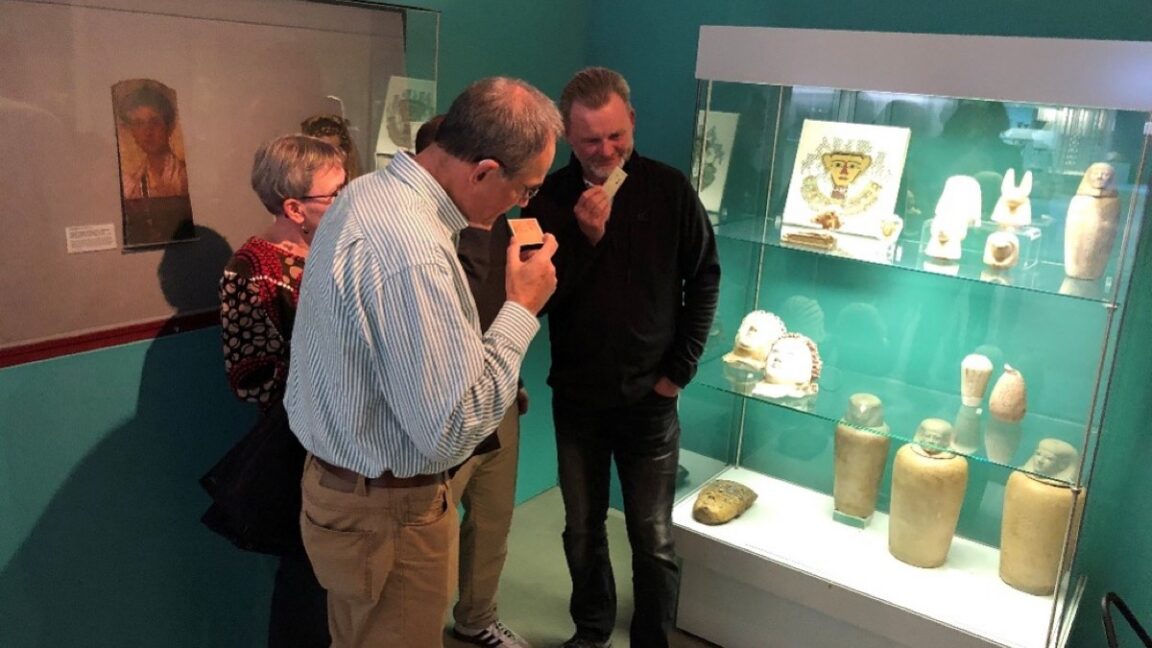
Scientists have successfully recreated the complex scents associated with ancient Egyptian embalming practices, bringing a new sensory dimension to museum exhibits. By analyzing the compounds used in the balms for mummifying the organs of an ancient noblewoman, researchers have uncovered a blend of ingredients that were not native to the region. This groundbreaking work, led by Barbara Huber from the Max Planck Institute of Geoanthropology, has now been integrated into exhibitions at two prominent museums, offering visitors a fresh perspective on the intricacies of ancient burial rituals.
The research, completed in 2023, revealed that the embalming recipes were unusually sophisticated. Huber’s collaboration with a perfumer resulted in what she describes as “the scent of eternity.” This innovative approach aims to enhance the understanding of the embalming process, which dates back to the Predynastic Period in Egypt. Initially, the arid desert environment preserved bodies naturally, but as burial practices evolved, the use of chemical agents became crucial.
As people transitioned to rock tombs, away from the desiccating sands, they began employing chemicals like natron salt and plant-based resins. The embalming procedure involved intricate steps, including the removal of internal organs, with specific methods documented by the ancient historian Herodotus. His writings detail the use of natron and other materials, although many specifics about the various oils, spices, and resins used during the process remain elusive.
Modern scientific techniques, particularly biomolecular analysis, have enhanced our understanding of these ancient practices. A notable study from 2018 utilized gas chromatography-mass spectrometry to analyze organic residues from mummy wrappings, revealing a rich mixture of plant oil, aromatic extracts, and resins. Huber’s latest research, published in the Journal of Archaeological Science, delves deeper into the volatile organic compounds (VOCs) related to embalming agents.
Transforming Exhibits with the Power of Scent
The incorporation of scent into museum exhibits represents a novel approach to enhancing the visitor experience. Huber’s previous work on ancient incense burners led her to focus on the balms used in Egyptian mummification. Her team identified various ingredients, including beeswax, plant oils, animal fats, and aromatic resins, which contributed to the distinctive fragrances associated with embalming.
The resulting blend features a “strong pine-like woody scent” from coniferous resins, complemented by the sweetness of beeswax and the smoky aroma of bitumen. In partnership with perfumer Carole Calvez, Huber has outlined a process for integrating these scents into museum environments.
Calvez emphasized that the challenge lies in creating a cohesive olfactory experience rather than merely replicating individual scents. The team has developed two innovative formats for presenting these fragrances in museums. At the Museum August Kestner in Hanover, Germany, a portable scented card is employed during guided tours. Meanwhile, the Moesgaard Museum in Aarhus, Denmark, features a fixed scent station that allows visitors to engage with the aromas directly.
Curator Steffen Terp Laursen of the Moesgaard Museum noted the profound impact of scent on visitor understanding. “Smell added an emotional and sensory depth that text labels alone could never provide,” he stated, highlighting the transformative potential of this sensory addition.
The exploration of scents in ancient Egyptian embalming is not just an academic venture; it has practical implications for how museums engage with their audiences. The use of smell can evoke memories and emotions, creating a more immersive experience that brings history to life in a unique manner.
As museums continue to innovate in their presentation of historical narratives, the integration of scent offers a compelling avenue for enhancing visitor engagement and understanding. This multidisciplinary collaboration between scientists, archaeologists, and perfumers exemplifies how modern techniques can illuminate the past, making ancient practices accessible and relatable to contemporary audiences.

iShares Core Dividend Growth ETF Faces Challenges; Alternatives Suggested

Discover 7 Scenic Hikes Near Calgary to Explore This Spring

Scientists Uncover Life’s Building Blocks in Ryugu Asteroid Samples

Windsor-Essex Unveils New Action Plan to Combat Substance Use

Boost Your Business Visibility with These Local SEO Strategies

East Algoma OPP Urges Public to Limit Travel Amid Hazardous Conditions

Universities Must Rethink Failure to Support Student Growth

Canada Invests $6.4 Million to Boost Green Shipping Corridors

Stony Plain Secures 14th Consecutive Award for Financial Reporting Excellence

Rhythm Pharmaceuticals Reports Strong Q4 Growth Ahead of FDA Decision

Brandon University’s Failed $5 Million Project Sparks Oversight Review

Microsoft Confirms U.S. Law Overrules Canadian Data Sovereignty

Winnipeg Celebrates Culinary Creativity During Le Burger Week 2025

New SĆIȺNEW̱ SṮEȽIṮḴEȽ Elementary Opens in Langford for 2025/2026 Year

EngineAI Unveils T800 Humanoid Robot, Setting New Industry Standards

Montreal’s Groupe Marcelle Leads Canadian Cosmetic Industry Growth

Tech Innovator Amandipp Singh Transforms Hiring for Disabled

Discover Aritzia’s Latest Fashion Trends: A Comprehensive Review

Dragon Ball: Sparking! Zero Launching on Switch and Switch 2 This November

Digg Relaunches as Founders Kevin Rose and Alexis Ohanian Join Forces
-
 Education7 months ago
Brandon University’s Failed $5 Million Project Sparks Oversight Review
-
 Science7 months ago
Microsoft Confirms U.S. Law Overrules Canadian Data Sovereignty
-
 Lifestyle7 months ago
Winnipeg Celebrates Culinary Creativity During Le Burger Week 2025
-
 Education7 months ago
New SĆIȺNEW̱ SṮEȽIṮḴEȽ Elementary Opens in Langford for 2025/2026 Year
-
 Business4 months ago
EngineAI Unveils T800 Humanoid Robot, Setting New Industry Standards
-
 Health7 months ago
Montreal’s Groupe Marcelle Leads Canadian Cosmetic Industry Growth
-
 Science7 months ago
Tech Innovator Amandipp Singh Transforms Hiring for Disabled
-
 Lifestyle3 months ago
Discover Aritzia’s Latest Fashion Trends: A Comprehensive Review
-
 Technology7 months ago
Dragon Ball: Sparking! Zero Launching on Switch and Switch 2 This November
-
 Technology2 months ago
Digg Relaunches as Founders Kevin Rose and Alexis Ohanian Join Forces
-
 Top Stories3 months ago
Canadiens Eye Elias Pettersson: What It Would Cost to Acquire Him
-

 Health6 months ago
Eganville Leader to Close in 2026 After 123 Years of Reporting
-

 Education7 months ago
Red River College Launches New Programs to Address Industry Needs
-

 Business6 months ago
Rocket Lab Reports Strong Q2 2025 Revenue Growth and Future Plans
-

 Top Stories3 months ago
Nicol Brothers Shine as Wheat Kings Dominate U18 AAA Hockey
-

 Business7 months ago
BNA Brewing to Open New Bowling Alley in Downtown Penticton
-

 Education5 months ago
Alberta Petition Aims to Redirect Funds from Private to Public Schools
-

 Technology7 months ago
Google Pixel 10 Pro Fold Specs Unveiled Ahead of Launch
-

 Technology6 months ago
Discord Faces Serious Security Breach Affecting Millions
-

 Education7 months ago
Alberta Teachers’ Strike: Potential Impacts on Students and Families
-

 Lifestyle2 weeks ago
Canmore’s Le Fournil Bakery to Close After 14 Successful Years
-

 Business7 months ago
Iconic Golden Lion Restaurant in South Surrey to Close After 50 Years
-

 Science7 months ago
China’s Wukong Spacesuit Sets New Standard for AI in Space
-

 Lifestyle5 months ago
Edmonton’s Beloved Evolution Wonderlounge Closes, New Era Begins