
Science
High-Tech Simulator Enhances Training for UPEI Health Students

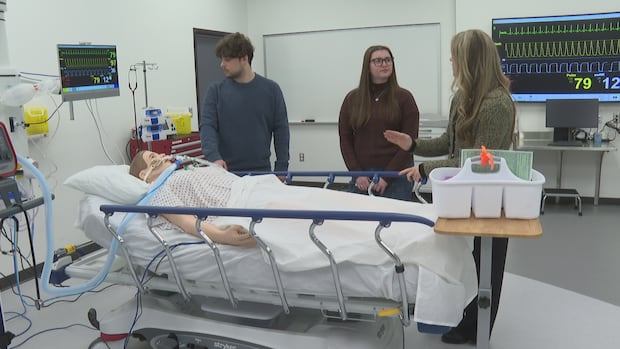
The University of Prince Edward Island (UPEI) has integrated advanced simulation technology into its medical training program, significantly enhancing the educational experience for future health-care professionals. This state-of-the-art equipment is utilized by a variety of health-care students, including nursing students, to develop their clinical skills in a controlled, realistic environment.
UPEI’s new medical school has prioritized the incorporation of high-tech simulators as part of its curriculum. These simulations allow students to engage in practical scenarios that closely mimic real-life medical situations, providing invaluable hands-on experience. During a recent session, nursing students demonstrated their use of the simulation centre, showcasing how it aids in improving their practical skills.
The importance of such training tools cannot be overstated. According to UPEI, the simulation equipment not only enhances technical skills but also fosters critical thinking and decision-making abilities among students. These competencies are essential for effective patient care and safety in the health-care field.
The investment in this high-tech facility underscores UPEI’s commitment to preparing students for the complexities of modern health care. By utilizing realistic simulations, students can practice procedures, make mistakes, and learn from them without the risks associated with real patient interactions. This approach aligns with best practices in medical education, where experiential learning is key to building confidence and competence.
In recent years, there has been a growing recognition of the need for innovative training methods in health care. Institutions worldwide are increasingly adopting simulation-based education to bridge the gap between theory and practice. UPEI’s initiative places it at the forefront of this educational shift, promoting a more dynamic and effective learning environment.
The feedback from students has been overwhelmingly positive. Participants have reported feeling more prepared and confident when entering clinical placements due to their experiences with simulation training. This reflects a broader trend in medical education where hands-on experience is becoming a cornerstone of effective training.
As UPEI continues to develop its medical program, the integration of high-tech simulation equipment will remain a critical component. It not only enhances the educational experience but also ensures that graduates are well-equipped to meet the demands of the health-care sector in Canada and beyond.
The future of health-care training at UPEI looks promising, with ongoing advancements in technology expected to further improve educational outcomes. As the medical field evolves, so too will the methods of training the next generation of health professionals, ensuring they are prepared for the challenges that lie ahead.

iShares Core Dividend Growth ETF Faces Challenges; Alternatives Suggested

Discover 7 Scenic Hikes Near Calgary to Explore This Spring

Scientists Uncover Life’s Building Blocks in Ryugu Asteroid Samples

Windsor-Essex Unveils New Action Plan to Combat Substance Use

Boost Your Business Visibility with These Local SEO Strategies

East Algoma OPP Urges Public to Limit Travel Amid Hazardous Conditions

Universities Must Rethink Failure to Support Student Growth

Canada Invests $6.4 Million to Boost Green Shipping Corridors

Stony Plain Secures 14th Consecutive Award for Financial Reporting Excellence

Rhythm Pharmaceuticals Reports Strong Q4 Growth Ahead of FDA Decision

Brandon University’s Failed $5 Million Project Sparks Oversight Review

Microsoft Confirms U.S. Law Overrules Canadian Data Sovereignty

Winnipeg Celebrates Culinary Creativity During Le Burger Week 2025

Discover Aritzia’s Latest Fashion Trends: A Comprehensive Review

New SĆIȺNEW̱ SṮEȽIṮḴEȽ Elementary Opens in Langford for 2025/2026 Year

EngineAI Unveils T800 Humanoid Robot, Setting New Industry Standards

Montreal’s Groupe Marcelle Leads Canadian Cosmetic Industry Growth

Tech Innovator Amandipp Singh Transforms Hiring for Disabled

Dragon Ball: Sparking! Zero Launching on Switch and Switch 2 This November

Digg Relaunches as Founders Kevin Rose and Alexis Ohanian Join Forces
-
 Education7 months ago
Brandon University’s Failed $5 Million Project Sparks Oversight Review
-
 Science8 months ago
Microsoft Confirms U.S. Law Overrules Canadian Data Sovereignty
-
 Lifestyle7 months ago
Winnipeg Celebrates Culinary Creativity During Le Burger Week 2025
-
 Lifestyle4 months ago
Discover Aritzia’s Latest Fashion Trends: A Comprehensive Review
-
 Education7 months ago
New SĆIȺNEW̱ SṮEȽIṮḴEȽ Elementary Opens in Langford for 2025/2026 Year
-
 Business4 months ago
EngineAI Unveils T800 Humanoid Robot, Setting New Industry Standards
-
 Health8 months ago
Montreal’s Groupe Marcelle Leads Canadian Cosmetic Industry Growth
-
 Science8 months ago
Tech Innovator Amandipp Singh Transforms Hiring for Disabled
-
 Technology8 months ago
Dragon Ball: Sparking! Zero Launching on Switch and Switch 2 This November
-
 Technology3 months ago
Digg Relaunches as Founders Kevin Rose and Alexis Ohanian Join Forces
-
 Top Stories4 months ago
Canadiens Eye Elias Pettersson: What It Would Cost to Acquire Him
-

 Lifestyle4 weeks ago
Canmore’s Le Fournil Bakery to Close After 14 Successful Years
-

 Health7 months ago
Eganville Leader to Close in 2026 After 123 Years of Reporting
-

 Education8 months ago
Red River College Launches New Programs to Address Industry Needs
-

 Top Stories4 months ago
Nicol Brothers Shine as Wheat Kings Dominate U18 AAA Hockey
-

 Business7 months ago
Rocket Lab Reports Strong Q2 2025 Revenue Growth and Future Plans
-

 Business8 months ago
BNA Brewing to Open New Bowling Alley in Downtown Penticton
-

 Education6 months ago
Alberta Petition Aims to Redirect Funds from Private to Public Schools
-

 Education8 months ago
Alberta Teachers’ Strike: Potential Impacts on Students and Families
-

 Technology6 months ago
Discord Faces Serious Security Breach Affecting Millions
-

 Technology8 months ago
Google Pixel 10 Pro Fold Specs Unveiled Ahead of Launch
-

 Lifestyle5 months ago
Edmonton’s Beloved Evolution Wonderlounge Closes, New Era Begins
-

 Business7 months ago
Iconic Golden Lion Restaurant in South Surrey to Close After 50 Years
-

 Science8 months ago
China’s Wukong Spacesuit Sets New Standard for AI in Space