
Science
Global Momentum Grows for Nuclear Fusion Technology Advancement

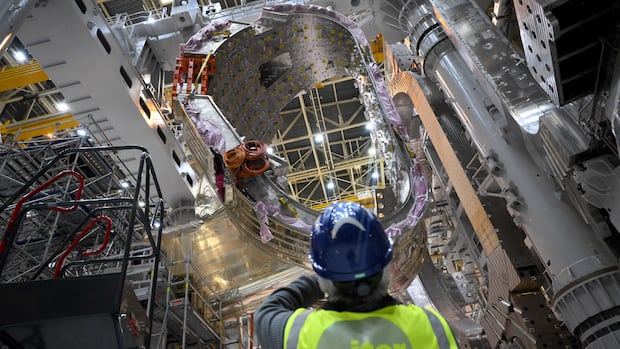
Nuclear fusion technology is gaining traction globally, with significant advancements reported from both Canada and China. As the demand for clean energy rises, driven by factors such as artificial intelligence and increased electrification, the potential of nuclear fusion as a sustainable energy source is capturing attention. Recent milestones achieved by Canada’s General Fusion and China’s EAST reactor highlight the growing optimism surrounding this energy solution.
Nuclear fusion is a process where the nuclei of two atoms combine to form a heavier nucleus, releasing a substantial amount of energy in the process. This reaction powers the sun, utilizing hydrogen to produce helium. With hydrogen being abundant in water, fusion offers a clean and safe alternative to traditional nuclear energy, which relies on the fission of radioactive elements and generates hazardous waste. Despite its promise, commercial fusion reactors are not yet operational.
Recent developments have sparked renewed interest in fusion technology. The Experimental Advanced Superconducting Tokamak (EAST) in China recently achieved a significant breakthrough, maintaining stable plasma at unprecedented densities. This advancement could pave the way for smaller and more cost-effective fusion reactors in the future, according to a report in Nature.
In Canada, General Fusion announced a “world record” in neutron production, which serves as an indicator of the level of fusion activity occurring in their reactor. While some government-funded projects have achieved more extensive fusion results, experts like Robert Fedosejev from the University of Alberta state that General Fusion is ahead of many startups that have yet to produce any neutrons.
In addition to these technical achievements, Canada is also establishing a new Centre for Fusion Energy in Ontario. Announced in early 2024, this initiative will be funded with contributions totaling $91.5 million from various governmental and corporate entities, including the Ontario government and Atomic Energy of Canada Ltd.. The centre aims to design and operate a demonstration reactor, although no specific timeline has been provided.
The global interest in fusion is also fueled by a growing awareness of climate change and the need for reliable, carbon-free energy sources. Andrew Holland, CEO of the Fusion Industry Association (FIA), noted that the increasing energy demands of data centers and AI applications necessitate more stable energy solutions. Investors are recognizing the potential of fusion, with over $10 billion USD funneled into private fusion startups in the past five years.
Despite the excitement, significant challenges remain. A crucial hurdle is the substantial energy required to initiate fusion reactions. A notable breakthrough occurred at the National Ignition Facility at the Lawrence Livermore National Laboratory in the United States, where a fusion reaction produced a net gain of energy for the first time. This achievement has raised expectations, yet experts like Fedosejev emphasize that much higher energy ratios will be necessary for practical power generation.
Looking ahead, the International Thermonuclear Experimental Reactor (ITER), under construction in France, aims to utilize 50 megawatts of electricity to generate 500 megawatts of fusion power, enough to supply energy for approximately 250,000 homes. This ambitious project represents a collaborative effort involving multiple nations, including China, the European Union, India, Japan, Korea, Russia, and the United States.
While the potential of fusion energy is immense—offering a solution free from pollution, radioactive waste, and greenhouse gases—scientists face additional engineering challenges. The extreme conditions produced by fusion reactions can damage reactor components, limiting their operational lifespan. Moreover, no self-sustaining fuel system has yet been developed, necessitating reliance on external sources for tritium, a key fuel component.
As the fusion landscape evolves, there is a pressing need to address the economic viability of such technologies. While large reactors like ITER may demonstrate fusion power, their high costs raise questions about their competitiveness against existing zero-carbon energy sources. Smaller, more affordable reactors using innovative technologies are being explored by numerous startups.
Holland believes that as the technology matures, it is essential for industries to establish supply chains and for governments to formulate supportive public policies and regulations. Building public awareness about the advancements in fusion is crucial to garnering community support for future projects.
The journey towards harnessing nuclear fusion as a practical energy source continues to unfold, marked by both exciting developments and formidable challenges. The global energy landscape may indeed be on the brink of a transformative shift, driven by the pursuit of clean, limitless energy.

iShares Core Dividend Growth ETF Faces Challenges; Alternatives Suggested

Discover 7 Scenic Hikes Near Calgary to Explore This Spring

Scientists Uncover Life’s Building Blocks in Ryugu Asteroid Samples

Windsor-Essex Unveils New Action Plan to Combat Substance Use

Boost Your Business Visibility with These Local SEO Strategies

East Algoma OPP Urges Public to Limit Travel Amid Hazardous Conditions

Universities Must Rethink Failure to Support Student Growth

Canada Invests $6.4 Million to Boost Green Shipping Corridors

Stony Plain Secures 14th Consecutive Award for Financial Reporting Excellence

Rhythm Pharmaceuticals Reports Strong Q4 Growth Ahead of FDA Decision

Brandon University’s Failed $5 Million Project Sparks Oversight Review

Microsoft Confirms U.S. Law Overrules Canadian Data Sovereignty

Discover Aritzia’s Latest Fashion Trends: A Comprehensive Review

Winnipeg Celebrates Culinary Creativity During Le Burger Week 2025

New SĆIȺNEW̱ SṮEȽIṮḴEȽ Elementary Opens in Langford for 2025/2026 Year

EngineAI Unveils T800 Humanoid Robot, Setting New Industry Standards

Montreal’s Groupe Marcelle Leads Canadian Cosmetic Industry Growth

Tech Innovator Amandipp Singh Transforms Hiring for Disabled

Dragon Ball: Sparking! Zero Launching on Switch and Switch 2 This November

Digg Relaunches as Founders Kevin Rose and Alexis Ohanian Join Forces
-
 Education7 months ago
Brandon University’s Failed $5 Million Project Sparks Oversight Review
-
 Science8 months ago
Microsoft Confirms U.S. Law Overrules Canadian Data Sovereignty
-
 Lifestyle4 months ago
Discover Aritzia’s Latest Fashion Trends: A Comprehensive Review
-
 Lifestyle8 months ago
Winnipeg Celebrates Culinary Creativity During Le Burger Week 2025
-
 Education8 months ago
New SĆIȺNEW̱ SṮEȽIṮḴEȽ Elementary Opens in Langford for 2025/2026 Year
-
 Business4 months ago
EngineAI Unveils T800 Humanoid Robot, Setting New Industry Standards
-
 Health8 months ago
Montreal’s Groupe Marcelle Leads Canadian Cosmetic Industry Growth
-
 Science8 months ago
Tech Innovator Amandipp Singh Transforms Hiring for Disabled
-
 Technology8 months ago
Dragon Ball: Sparking! Zero Launching on Switch and Switch 2 This November
-
 Technology3 months ago
Digg Relaunches as Founders Kevin Rose and Alexis Ohanian Join Forces
-

 Lifestyle1 month ago
Canmore’s Le Fournil Bakery to Close After 14 Successful Years
-
 Top Stories4 months ago
Canadiens Eye Elias Pettersson: What It Would Cost to Acquire Him
-

 Health7 months ago
Eganville Leader to Close in 2026 After 123 Years of Reporting
-

 Education8 months ago
Red River College Launches New Programs to Address Industry Needs
-

 Top Stories4 months ago
Nicol Brothers Shine as Wheat Kings Dominate U18 AAA Hockey
-

 Business8 months ago
BNA Brewing to Open New Bowling Alley in Downtown Penticton
-

 Business7 months ago
Rocket Lab Reports Strong Q2 2025 Revenue Growth and Future Plans
-

 Lifestyle5 months ago
Edmonton’s Beloved Evolution Wonderlounge Closes, New Era Begins
-

 Education6 months ago
Alberta Petition Aims to Redirect Funds from Private to Public Schools
-

 Education8 months ago
Alberta Teachers’ Strike: Potential Impacts on Students and Families
-

 Technology8 months ago
Google Pixel 10 Pro Fold Specs Unveiled Ahead of Launch
-

 Technology6 months ago
Discord Faces Serious Security Breach Affecting Millions
-

 Business8 months ago
Iconic Golden Lion Restaurant in South Surrey to Close After 50 Years
-

 Lifestyle6 months ago
Canadian Author Secures Funding to Write Book Without Financial Strain