
Science
Experts Debate the Role of AI in Bridging Healthcare Gaps

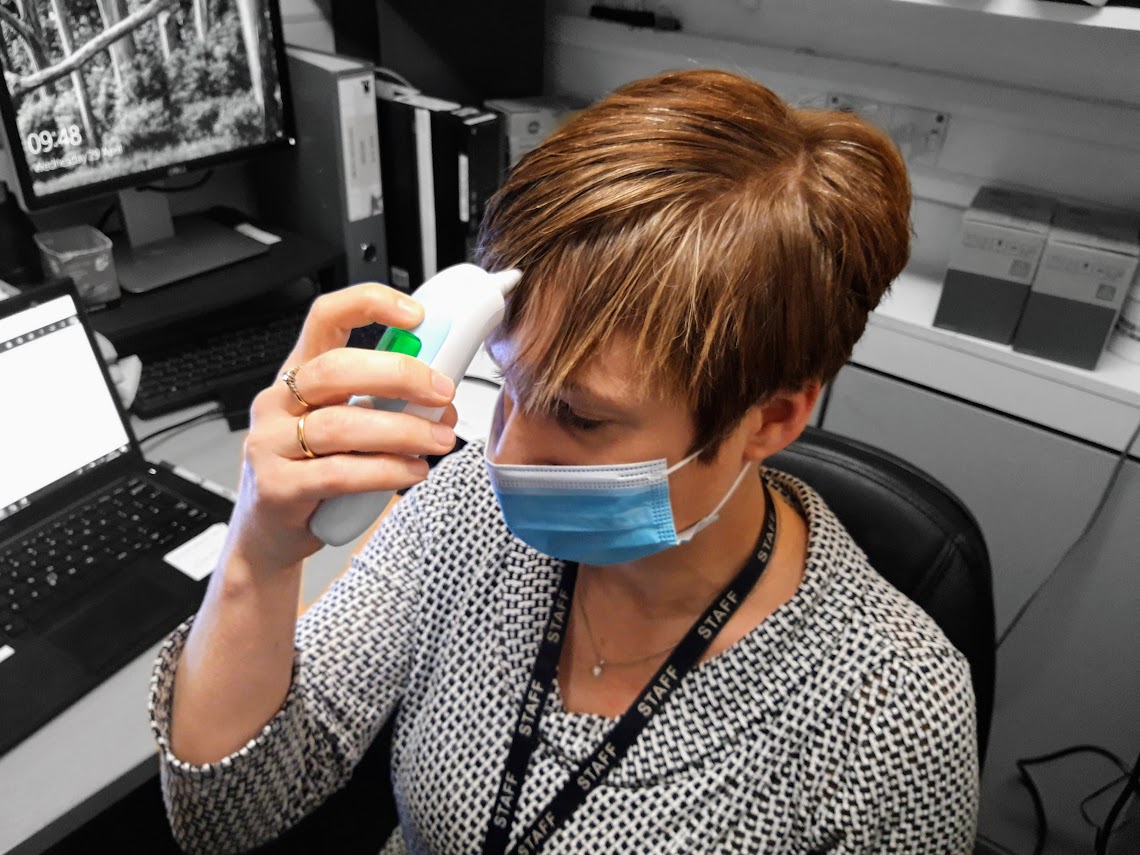
The increasing use of artificial intelligence (AI) in healthcare has sparked significant debate among commentators and policy experts, including the World Health Organization (WHO). The organization has released detailed guidelines focusing on the ethics and governance of AI in health, co-leading the Global Initiative on AI for Health (GI-AI4H). While AI presents notable advantages, the WHO emphasizes that careful consideration of methodological aspects is essential for achieving real progress in universal health care.
Concerns surrounding the deployment of AI in healthcare are varied and substantial. Among the risks identified are diagnostic errors, where AI systems may misinterpret medical images or provide incorrect treatment recommendations. Furthermore, bias and inequality in AI algorithms are concerning, as these systems learn from historical data that may not adequately represent diverse populations. This can lead to subpar performance for underrepresented groups.
Data privacy and security also pose significant challenges. The reliance on sensitive patient information increases the risk of breaches. In addition, automation bias can lead healthcare professionals to over-rely on AI recommendations without sufficient critical evaluation. There is also the risk of misalignment between the goals of AI systems and the ethical standards of healthcare providers, resulting in potential systemic risks as AI becomes more integrated into healthcare practices.
Despite these challenges, some experts offer a more optimistic perspective. Dr. Essam Hamza, CEO of Rocket Doctor AI Inc., argues that the issue lies not with AI itself but rather with the implementation of the wrong kind of AI. He believes that well-designed AI can significantly benefit both doctors and patients. According to Hamza, AI can serve as a safer, evidence-based alternative that reduces errors, facilitates earlier disease detection, and improves personalized treatment plans.
Hamza stated, “The WHO is absolutely right to highlight the risks that come with the rapid rise of AI in healthcare. Too many systems rely on opaque algorithms and the possibility of hallucinations, without the legal or clinical safeguards patients and health workers deserve.” He went on to explain that Rocket Doctor AI has taken a fundamentally different approach by developing a proprietary, physician-built Global Library of Medicine (GLM) and a suite of AI-driven solutions that prioritize transparency and safety.
He emphasized the importance of using AI to support rather than replace healthcare professionals. “As demand surges for trustworthy clinical tools that reduce administrative load and strengthen accuracy in diagnoses, we believe our methodology, built over more than a decade by hundreds of clinicians, is the model the industry needs,” Hamza noted.
In discussing future applications of AI in healthcare, Hamza expressed optimism. “This design ensures that AI is used to support, not replace, healthcare professionals—strengthening safety, improving decision-making, and ultimately delivering better outcomes for patients.” He concluded by stressing that while innovation in healthcare must progress rapidly, it must also prioritize safety. “Our commitment is to do both,” he asserted.
As the conversation around AI in healthcare continues to evolve, the balance between leveraging technological advancements and addressing associated risks remains a critical focus for experts and institutions worldwide.

Multiple Pistachio Products Recalled Due to Salmonella Risk

Research Initiative Uncovers History of Youville Residential School

Three-Bedroom Home in Algonquin Sells for $380,000

Newman Central Catholic Reveals First-Semester Honor Roll Achievers

Young Canadians Struggle to Find Jobs Amid Economic Shifts

Sidney/North Saanich RCMP Alert Residents to Asphalt Paving Scam

Evander Kane Demoted to Fourth Line as Canucks Adjust Forward Lines

Discover the Art of Beading at Upcoming Workshop in Fort William

St. Charles Home Sold for $720,000 on December 31, 2025

100 Women Who Care Foothills Marks 10 Years of Charitable Impact

Brandon University’s Failed $5 Million Project Sparks Oversight Review

Microsoft Confirms U.S. Law Overrules Canadian Data Sovereignty

Winnipeg Celebrates Culinary Creativity During Le Burger Week 2025

Montreal’s Groupe Marcelle Leads Canadian Cosmetic Industry Growth

Tech Innovator Amandipp Singh Transforms Hiring for Disabled

Dragon Ball: Sparking! Zero Launching on Switch and Switch 2 This November

New SĆIȺNEW̱ SṮEȽIṮḴEȽ Elementary Opens in Langford for 2025/2026 Year

Red River College Launches New Programs to Address Industry Needs

Rocket Lab Reports Strong Q2 2025 Revenue Growth and Future Plans

Google Pixel 10 Pro Fold Specs Unveiled Ahead of Launch
-
 Education4 months ago
Brandon University’s Failed $5 Million Project Sparks Oversight Review
-
 Science5 months ago
Microsoft Confirms U.S. Law Overrules Canadian Data Sovereignty
-
 Lifestyle4 months ago
Winnipeg Celebrates Culinary Creativity During Le Burger Week 2025
-
 Health5 months ago
Montreal’s Groupe Marcelle Leads Canadian Cosmetic Industry Growth
-
 Science5 months ago
Tech Innovator Amandipp Singh Transforms Hiring for Disabled
-
 Technology5 months ago
Dragon Ball: Sparking! Zero Launching on Switch and Switch 2 This November
-
 Education5 months ago
New SĆIȺNEW̱ SṮEȽIṮḴEȽ Elementary Opens in Langford for 2025/2026 Year
-
 Education5 months ago
Red River College Launches New Programs to Address Industry Needs
-
 Business4 months ago
Rocket Lab Reports Strong Q2 2025 Revenue Growth and Future Plans
-
 Technology5 months ago
Google Pixel 10 Pro Fold Specs Unveiled Ahead of Launch
-
 Top Stories4 weeks ago
Canadiens Eye Elias Pettersson: What It Would Cost to Acquire Him
-

 Technology3 months ago
Discord Faces Serious Security Breach Affecting Millions
-

 Education5 months ago
Alberta Teachers’ Strike: Potential Impacts on Students and Families
-

 Business5 months ago
BNA Brewing to Open New Bowling Alley in Downtown Penticton
-

 Business1 month ago
EngineAI Unveils T800 Humanoid Robot, Setting New Industry Standards
-

 Science5 months ago
China’s Wukong Spacesuit Sets New Standard for AI in Space
-

 Lifestyle3 months ago
Canadian Author Secures Funding to Write Book Without Financial Strain
-

 Business5 months ago
New Estimates Reveal ChatGPT-5 Energy Use Could Soar
-

 Business5 months ago
Dawson City Residents Rally Around Buy Canadian Movement
-

 Business3 months ago
Hydro-Québec Espionage Trial Exposes Internal Oversight Failures
-

 Technology5 months ago
Future Entertainment Launches DDoD with Gameplay Trailer Showcase
-

 Top Stories4 months ago
Blue Jays Shift José Berríos to Bullpen Ahead of Playoffs
-

 Technology5 months ago
World of Warcraft Players Buzz Over 19-Quest Bee Challenge
-

 Technology3 months ago
Huawei MatePad 12X Redefines Tablet Experience for Professionals