
Science
Discovering How Animals Control Body Temperature Flexibly

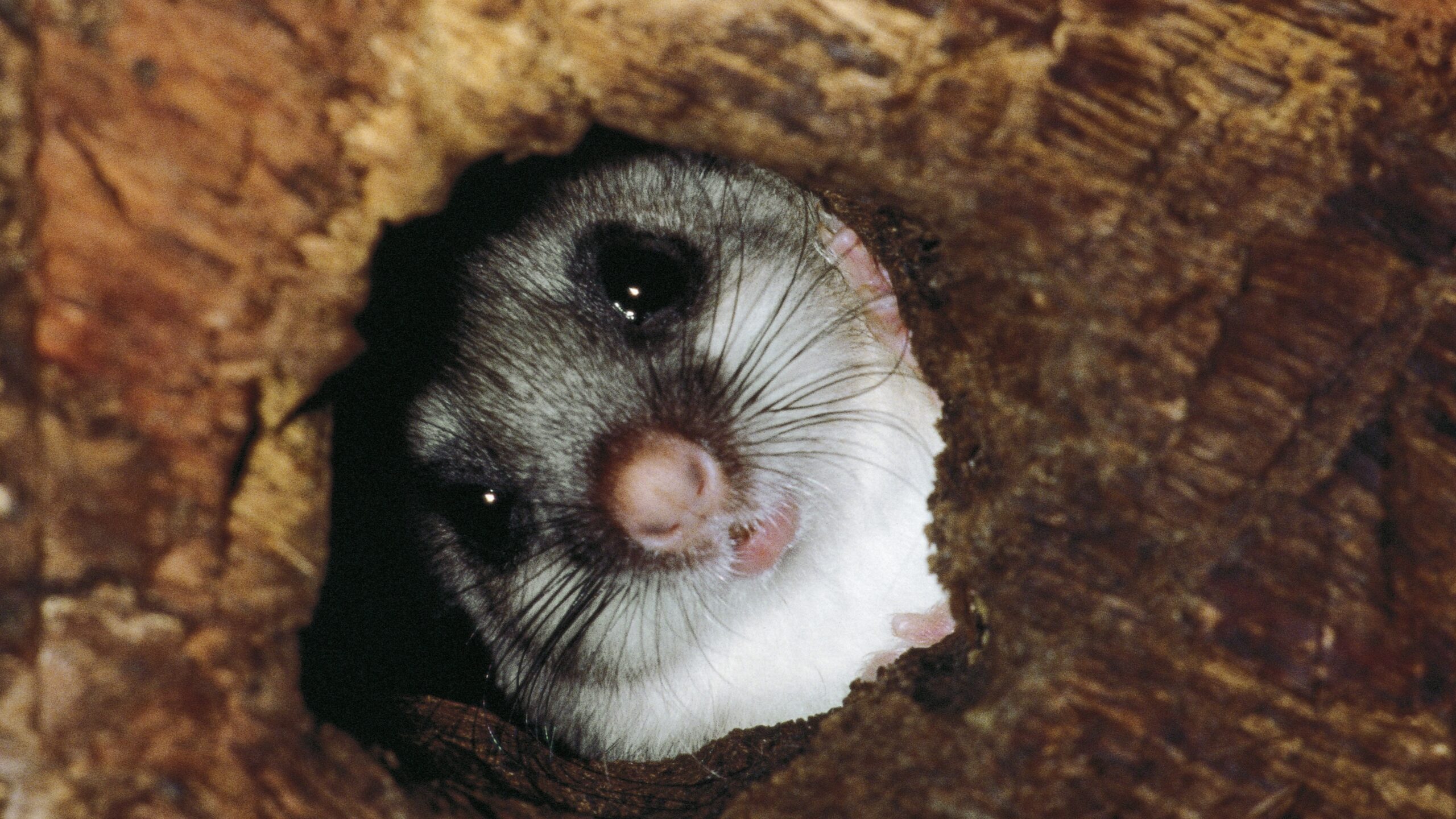
In a fascinating exploration of animal physiology, researchers have uncovered the remarkable ability of various species to regulate their body temperatures in ways previously underestimated. This flexibility, known as heterothermy, allows certain animals to adapt their body heat to survive fluctuating environmental conditions. The findings not only challenge long-held assumptions about mammalian temperature regulation but also highlight the potential benefits of this adaptability in the face of climate change.
Understanding Heterothermy and Its Implications
The concept of homeothermy, or the ability to maintain a stable body temperature, is well-known among mammals and birds. However, as highlighted in studies, many animals, such as the fat-tailed dwarf lemur, exhibit significant temperature fluctuations. This lemur can experience changes of nearly 45°F (25°C) within a single day. According to Danielle Levesque, a mammalian ecophysiologist at the University of Maine, technological advancements have enabled researchers to observe these patterns more closely, revealing a spectrum of temperature regulation strategies that extend beyond traditional hibernation.
Classic hibernation is the most well-documented form of heterothermy, allowing animals to conserve energy during cold months. During periods of deep torpor, their metabolism can slow dramatically, with body temperatures dropping to just above freezing. However, recent studies suggest that many mammals also utilize shorter bouts of shallow torpor, indicating that the physiological mechanisms at play are more intricate than previously understood. Fritz Geiser, a comparative physiologist at the University of New England, describes this phenomenon as “extremely complicated,” emphasizing its significance in animal survival.
Case Studies: Adaptive Temperature Regulation
Research on Australian eastern long-eared bats illustrates how environmental factors influence torpor usage. In a study published in Oecologia, Mari Aas Fjelldal and her colleagues tracked 37 free-ranging bats and found that they entered torpor more frequently when faced with adverse weather conditions, such as cold temperatures, rain, and high winds. This adaptive behavior aids in energy conservation during challenging times, particularly when foraging for insects becomes more energetically taxing.
Remarkably, pregnant hoary bats have been observed entering torpor during unpredictable spring storms, effectively pausing their pregnancies. Fjelldal notes that this strategy allows bats to time their births for optimal food availability, which is crucial for successful lactation.
Other species, such as sugar gliders, employ heterothermy selectively. During a severe storm with winds reaching nearly 100 kilometers per hour, researchers found that these marsupials reduced their body temperature significantly, demonstrating the benefits of torpor in extreme weather conditions.
In laboratory settings, a golden spiny mouse exhibited an unusual multiday torpor response to flooding. Its temperature dropped to about 75°F (24°C), showcasing the flexible strategies animals use to cope with environmental stressors.
The edible dormouse presents another intriguing case. Researchers discovered that these small mammals sometimes enter prolonged torpor during the summer months to evade nocturnal predators, such as owls. This behavior raises questions about the balance between food availability and predator avoidance in animal behavior.
Levesque emphasizes that even minor variations in body temperature can play a crucial role in conserving water and energy, particularly in hot climates. For instance, Madagascar’s leaf-nosed bats utilize short bouts of torpor during warm days, allowing them to maintain metabolic efficiency.
Challenges and Future Research
As the climate continues to change rapidly, the implications of heterothermy become increasingly relevant. Physiological ecologist Liam McGuire from the University of Waterloo in Ontario, Canada, highlights that while heterothermic strategies provide some advantages, they are not a panacea for the challenges posed by climate change.
While humans are capable of maintaining a steady body temperature through mechanisms like sweating, smaller mammals often face dehydration risks in extreme heat. By allowing their body temperatures to fluctuate, species like Madagascar’s leaf-nosed bats can endure harsh conditions more effectively.
The research initiated by Charles Blagden’s historical experiments continues to yield vital insights into the adaptability of animal physiology. As scientists deepen their understanding of these complex systems, it becomes clear that the ability to regulate body temperature flexibly is an essential survival strategy for many species.
This ongoing research sheds light on the remarkable diversity of life on Earth and emphasizes the importance of adaptability in an era marked by environmental change. The findings, originally published in Knowable Magazine, illustrate the need for continued exploration into the physiological capabilities of animals to better understand their responses to an ever-evolving world.

iShares Core Dividend Growth ETF Faces Challenges; Alternatives Suggested

Discover 7 Scenic Hikes Near Calgary to Explore This Spring

Scientists Uncover Life’s Building Blocks in Ryugu Asteroid Samples

Windsor-Essex Unveils New Action Plan to Combat Substance Use

Boost Your Business Visibility with These Local SEO Strategies

East Algoma OPP Urges Public to Limit Travel Amid Hazardous Conditions

Universities Must Rethink Failure to Support Student Growth

Canada Invests $6.4 Million to Boost Green Shipping Corridors

Stony Plain Secures 14th Consecutive Award for Financial Reporting Excellence

Rhythm Pharmaceuticals Reports Strong Q4 Growth Ahead of FDA Decision

Brandon University’s Failed $5 Million Project Sparks Oversight Review

Microsoft Confirms U.S. Law Overrules Canadian Data Sovereignty

Winnipeg Celebrates Culinary Creativity During Le Burger Week 2025

Discover Aritzia’s Latest Fashion Trends: A Comprehensive Review

New SĆIȺNEW̱ SṮEȽIṮḴEȽ Elementary Opens in Langford for 2025/2026 Year

EngineAI Unveils T800 Humanoid Robot, Setting New Industry Standards

Montreal’s Groupe Marcelle Leads Canadian Cosmetic Industry Growth

Tech Innovator Amandipp Singh Transforms Hiring for Disabled

Dragon Ball: Sparking! Zero Launching on Switch and Switch 2 This November

Digg Relaunches as Founders Kevin Rose and Alexis Ohanian Join Forces
-
 Education7 months ago
Brandon University’s Failed $5 Million Project Sparks Oversight Review
-
 Science8 months ago
Microsoft Confirms U.S. Law Overrules Canadian Data Sovereignty
-
 Lifestyle7 months ago
Winnipeg Celebrates Culinary Creativity During Le Burger Week 2025
-
 Lifestyle4 months ago
Discover Aritzia’s Latest Fashion Trends: A Comprehensive Review
-
 Education8 months ago
New SĆIȺNEW̱ SṮEȽIṮḴEȽ Elementary Opens in Langford for 2025/2026 Year
-
 Business4 months ago
EngineAI Unveils T800 Humanoid Robot, Setting New Industry Standards
-
 Health8 months ago
Montreal’s Groupe Marcelle Leads Canadian Cosmetic Industry Growth
-
 Science8 months ago
Tech Innovator Amandipp Singh Transforms Hiring for Disabled
-
 Technology8 months ago
Dragon Ball: Sparking! Zero Launching on Switch and Switch 2 This November
-
 Technology3 months ago
Digg Relaunches as Founders Kevin Rose and Alexis Ohanian Join Forces
-

 Lifestyle4 weeks ago
Canmore’s Le Fournil Bakery to Close After 14 Successful Years
-
 Top Stories4 months ago
Canadiens Eye Elias Pettersson: What It Would Cost to Acquire Him
-

 Health7 months ago
Eganville Leader to Close in 2026 After 123 Years of Reporting
-

 Education8 months ago
Red River College Launches New Programs to Address Industry Needs
-

 Top Stories4 months ago
Nicol Brothers Shine as Wheat Kings Dominate U18 AAA Hockey
-

 Business8 months ago
BNA Brewing to Open New Bowling Alley in Downtown Penticton
-

 Business7 months ago
Rocket Lab Reports Strong Q2 2025 Revenue Growth and Future Plans
-

 Education6 months ago
Alberta Petition Aims to Redirect Funds from Private to Public Schools
-

 Lifestyle5 months ago
Edmonton’s Beloved Evolution Wonderlounge Closes, New Era Begins
-

 Education8 months ago
Alberta Teachers’ Strike: Potential Impacts on Students and Families
-

 Technology6 months ago
Discord Faces Serious Security Breach Affecting Millions
-

 Technology8 months ago
Google Pixel 10 Pro Fold Specs Unveiled Ahead of Launch
-

 Business7 months ago
Iconic Golden Lion Restaurant in South Surrey to Close After 50 Years
-

 Science8 months ago
China’s Wukong Spacesuit Sets New Standard for AI in Space