
Science
Burkinabe Teen Creates Viral Fake Coup Video, Sparks Outrage

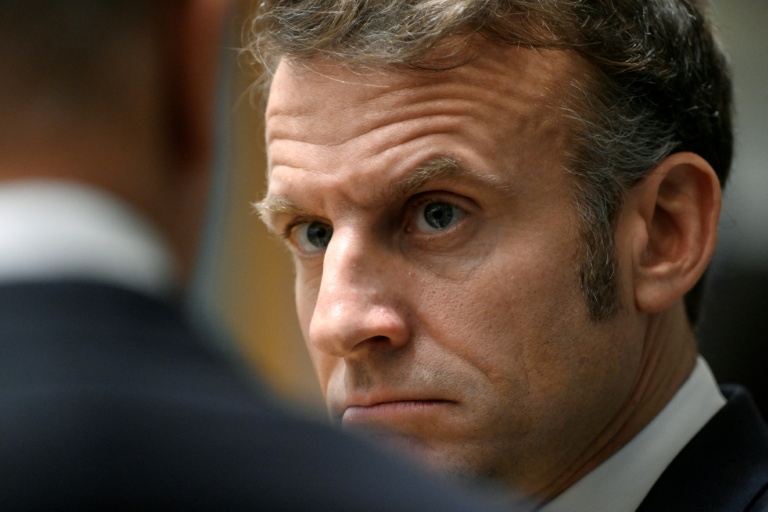
A teenager from Burkina Faso has gained notoriety after creating a viral video that falsely claimed a coup was occurring in France. The 17-year-old used artificial intelligence to produce the misleading content, which quickly amassed over 12 million views on social media platforms, including TikTok and Facebook. French President Emmanuel Macron expressed his frustration regarding the video, which sparked discussions about misinformation online.
The teenager’s video, posted on December 9, 2023, featured fabricated scenes of journalists reporting on a supposed takeover by an unidentified colonel. It also included images of the Eiffel Tower and flashing police lights. “Demonstrators have gathered to support the colonel who seems to have taken power yesterday,” the fake reporters declared. Despite its alarming premise, the content was entirely fictional, crafted from the teenager’s training in AI video generation.
Initially, the teenager aimed to profit from his videos through advertising. However, he reported that the venture only earned him seven euros. In a conversation with AFP, he revealed that he had begun exploring AI video creation after discovering a YouTube training course last year, but it was not until October 2023 that he actively started producing content.
The unexpected attention from French media surprised him. He chuckled at the chaos he had caused in a video shared on his Facebook page. Although he enjoys a stable life and his parents provide well for him, the teenager expressed a desire for financial independence. He noted, “I eat, I can get to school, my parents take good care of me, thank God,” but he wanted to explore opportunities to earn more.
His pursuit of online fame led him to AI-generated fake news, which he found attracted significant traffic. “I haven’t yet made a lot of money that way,” he admitted. His Facebook page was not yet monetized, though he had made a small amount from TikTok. Despite the general monetization restrictions for African creators, he found ways to generate income through his content.
The viral video, while not financially lucrative, has provided him with opportunities to promote his online training services in AI content creation. Since the video gained traction, he has received interest from several individuals seeking guidance. For one hour of coaching, he charges 7,000 CFA francs (approximately 10 euros).
Disinformation has been a significant issue in France, particularly concerning narratives surrounding the Sahel region, which includes Burkina Faso, Mali, and Niger. The teenager’s video came at a time when the relationship between France and these countries has soured, especially following a series of military coups. Burkina Faso’s junta has effectively utilized AI-generated propaganda to spread their messages online, sometimes featuring fabricated endorsements from celebrities.
Although the teenager stated that his motivations were not primarily political, he acknowledged that he created the video to provoke a reaction. “I also created this video to scare people,” he mentioned, criticizing certain French media figures for their portrayal of the Sahel. He referenced reports implying that the Malian capital, Bamako, was on the verge of falling to extremist forces, asserting that the actual situation was not as dire as depicted.
In light of the teenager’s actions, he remains unapologetic. “The French authorities have no regrets about publishing false statements on the AES,” he asserted. “So I’m not going to regret publishing false things about them!” His story illustrates the complexities of digital media, misinformation, and the quest for financial gain in the modern age. As technology evolves, the impact of such content will continue to challenge societal norms and the boundaries of responsible media consumption.

iShares Core Dividend Growth ETF Faces Challenges; Alternatives Suggested

Discover 7 Scenic Hikes Near Calgary to Explore This Spring

Scientists Uncover Life’s Building Blocks in Ryugu Asteroid Samples

Windsor-Essex Unveils New Action Plan to Combat Substance Use

Boost Your Business Visibility with These Local SEO Strategies

East Algoma OPP Urges Public to Limit Travel Amid Hazardous Conditions

Universities Must Rethink Failure to Support Student Growth

Canada Invests $6.4 Million to Boost Green Shipping Corridors

Stony Plain Secures 14th Consecutive Award for Financial Reporting Excellence

Rhythm Pharmaceuticals Reports Strong Q4 Growth Ahead of FDA Decision

Brandon University’s Failed $5 Million Project Sparks Oversight Review

Microsoft Confirms U.S. Law Overrules Canadian Data Sovereignty

Winnipeg Celebrates Culinary Creativity During Le Burger Week 2025

Discover Aritzia’s Latest Fashion Trends: A Comprehensive Review

New SĆIȺNEW̱ SṮEȽIṮḴEȽ Elementary Opens in Langford for 2025/2026 Year

EngineAI Unveils T800 Humanoid Robot, Setting New Industry Standards

Montreal’s Groupe Marcelle Leads Canadian Cosmetic Industry Growth

Tech Innovator Amandipp Singh Transforms Hiring for Disabled

Dragon Ball: Sparking! Zero Launching on Switch and Switch 2 This November

Digg Relaunches as Founders Kevin Rose and Alexis Ohanian Join Forces
-
 Education7 months ago
Brandon University’s Failed $5 Million Project Sparks Oversight Review
-
 Science8 months ago
Microsoft Confirms U.S. Law Overrules Canadian Data Sovereignty
-
 Lifestyle7 months ago
Winnipeg Celebrates Culinary Creativity During Le Burger Week 2025
-
 Lifestyle4 months ago
Discover Aritzia’s Latest Fashion Trends: A Comprehensive Review
-
 Education8 months ago
New SĆIȺNEW̱ SṮEȽIṮḴEȽ Elementary Opens in Langford for 2025/2026 Year
-
 Business4 months ago
EngineAI Unveils T800 Humanoid Robot, Setting New Industry Standards
-
 Health8 months ago
Montreal’s Groupe Marcelle Leads Canadian Cosmetic Industry Growth
-
 Science8 months ago
Tech Innovator Amandipp Singh Transforms Hiring for Disabled
-
 Technology8 months ago
Dragon Ball: Sparking! Zero Launching on Switch and Switch 2 This November
-
 Technology3 months ago
Digg Relaunches as Founders Kevin Rose and Alexis Ohanian Join Forces
-

 Lifestyle4 weeks ago
Canmore’s Le Fournil Bakery to Close After 14 Successful Years
-
 Top Stories4 months ago
Canadiens Eye Elias Pettersson: What It Would Cost to Acquire Him
-

 Health7 months ago
Eganville Leader to Close in 2026 After 123 Years of Reporting
-

 Education8 months ago
Red River College Launches New Programs to Address Industry Needs
-

 Business8 months ago
BNA Brewing to Open New Bowling Alley in Downtown Penticton
-

 Top Stories4 months ago
Nicol Brothers Shine as Wheat Kings Dominate U18 AAA Hockey
-

 Business7 months ago
Rocket Lab Reports Strong Q2 2025 Revenue Growth and Future Plans
-

 Lifestyle5 months ago
Edmonton’s Beloved Evolution Wonderlounge Closes, New Era Begins
-

 Education6 months ago
Alberta Petition Aims to Redirect Funds from Private to Public Schools
-

 Education8 months ago
Alberta Teachers’ Strike: Potential Impacts on Students and Families
-

 Technology6 months ago
Discord Faces Serious Security Breach Affecting Millions
-

 Technology8 months ago
Google Pixel 10 Pro Fold Specs Unveiled Ahead of Launch
-

 Business8 months ago
Iconic Golden Lion Restaurant in South Surrey to Close After 50 Years
-

 Lifestyle6 months ago
Canadian Author Secures Funding to Write Book Without Financial Strain