
Science
Animals Challenge Temperature Norms with Unique Adaptations

In a remarkable study of temperature regulation, scientists are uncovering how various animal species adapt to extreme environmental conditions. The work highlights instances of heterothermy, where some animals can significantly alter their body temperatures to cope with challenges, diverging from the typical mammalian trait of maintaining a stable body heat known as homeothermy.
The concept dates back to 1774, when British physician-scientist Charles Blagden famously tested his limits in a room exceeding 200°F (approximately 93°Cfat-tailed dwarf lemur can experience fluctuations of nearly 45°F (25°C) within a single day.
Recent advancements in technology have allowed researchers to study these adaptations in more detail. Danielle Levesque, a mammalian ecophysiologist at the University of Maine, stated, “Because we’re homeotherms, we assume all mammals work the way we do,” but ongoing research is revealing a broader spectrum of temperature regulation strategies.
Understanding Heterothermy in Nature
The most recognized form of heterothermy is hibernation, which enables animals to conserve energy during harsh winter months. During periods of deep torpor, animals can lower their body temperatures to just above freezing, significantly reducing metabolic rates. Yet, research indicates that many mammals can also engage in shorter bouts of shallow torpor. These temporary reductions in body temperature and metabolism serve various functions, adapting to immediate environmental needs.
For instance, Australian eastern long-eared bats adjust their use of torpor based on daily weather conditions. In a study published in Oecologia in 2021, biologist Mari Aas Fjelldal and her colleagues observed that these bats entered torpor more frequently during cold, rainy, or windy days. This behavior conserves energy, making it easier to navigate challenging conditions and find food.
Some species even exhibit this flexibility during critical times. Pregnant hoary bats, for example, have been observed entering torpor during unpredictable spring storms. This strategy effectively pauses their pregnancies, allowing them to give birth when conditions are more favorable for raising young.
Adaptive Strategies in Response to Environmental Stressors
Between species, the approach to torpor varies widely. Sugar gliders, small marsupials native to Australia, typically do not rely on torpor but may enter it during significant weather events. During a storm with winds reaching almost 100 kilometers per hour and heavy rains, these gliders were found to stay hidden in their nests, with many entering torpor and lowering their body temperatures from 94.1°F (34.5°C) to around 66°F (19°C).
Another intriguing case involves the golden spiny mouse, which experienced an unusual multiday torpor period following an accidental flooding event in a laboratory setting. Researchers noted that this flexibility allows animals to endure extreme conditions better than their homeothermic counterparts, who are less capable of conserving energy and resources in times of distress.
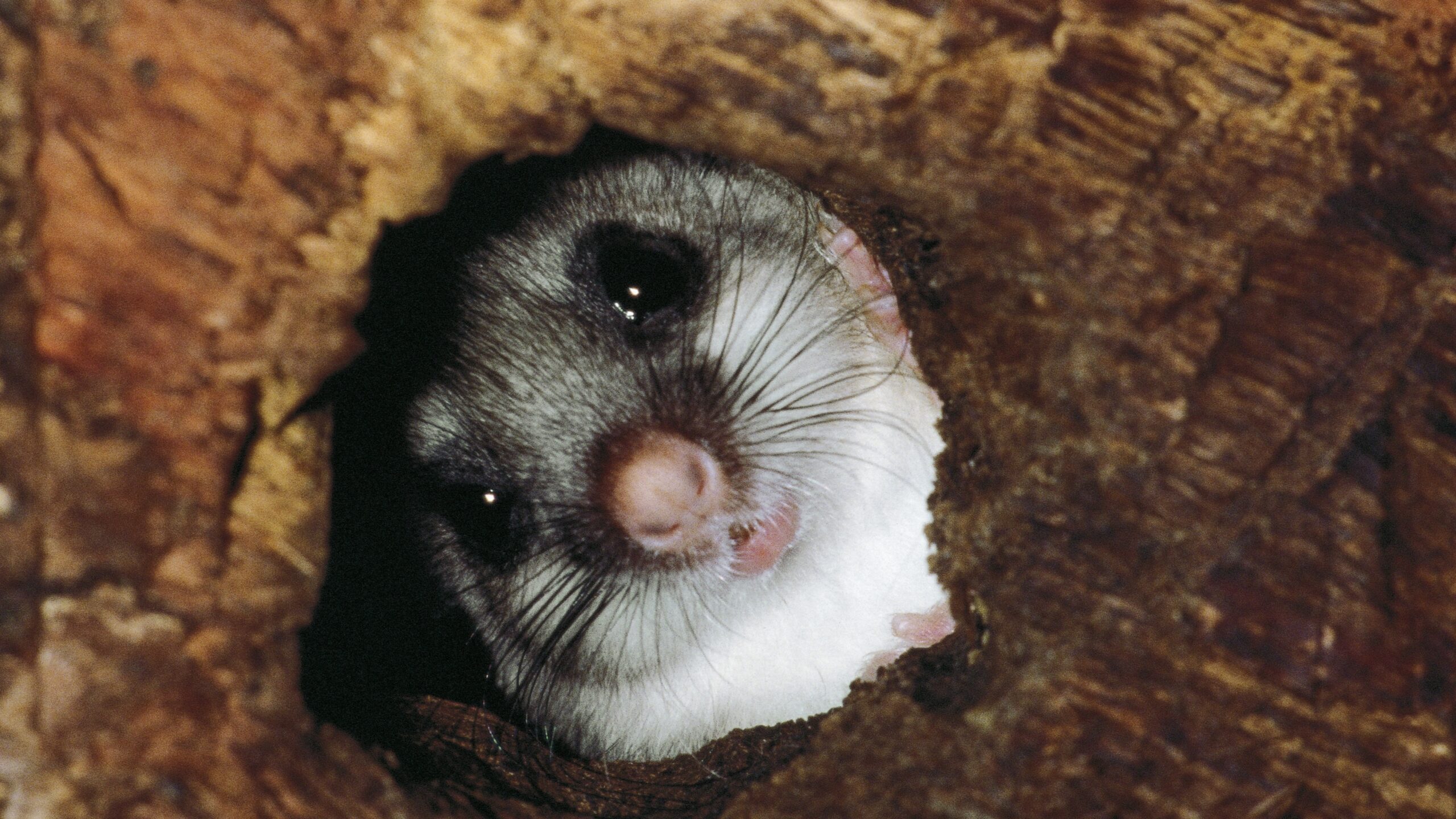
In addition to environmental conditions, the presence of predators can also influence torpor behaviors. The edible dormouse, for example, enters long periods of torpor during early summer, a time when nocturnal predators, such as owls, are particularly active. This strategy helps them avoid predation while still conserving energy.
Researchers like Fritz Geiser from the University of New England emphasize the complexity of these behaviors. “It’s extremely complicated,” he remarked, noting that the nuances of torpor use provide insights into animal adaptations that are far more intricate than simply maintaining stable temperatures.
As climate change continues to present new challenges, the ability to adapt to fluctuating temperatures and resource availability will be crucial for many species. While homeothermic animals rely on consistent energy and water sources, heterothermic species can adjust their physiological needs to survive harsher conditions. For instance, Madagascar’s leaf-nosed bats enter brief episodes of torpor during warm days, allowing them to maintain functionality while avoiding dehydration.
Ultimately, the ongoing research into heterothermy reveals a fascinating spectrum of survival strategies in the animal kingdom. As Blagden noted centuries ago, the human capacity for thermal regulation is remarkable. However, scientists today are beginning to recognize that for many mammals, the flexibility to modify body temperature is equally vital for survival in an ever-changing world.

iShares Core Dividend Growth ETF Faces Challenges; Alternatives Suggested

Discover 7 Scenic Hikes Near Calgary to Explore This Spring

Scientists Uncover Life’s Building Blocks in Ryugu Asteroid Samples

Windsor-Essex Unveils New Action Plan to Combat Substance Use

Boost Your Business Visibility with These Local SEO Strategies

East Algoma OPP Urges Public to Limit Travel Amid Hazardous Conditions

Universities Must Rethink Failure to Support Student Growth

Canada Invests $6.4 Million to Boost Green Shipping Corridors

Stony Plain Secures 14th Consecutive Award for Financial Reporting Excellence

Rhythm Pharmaceuticals Reports Strong Q4 Growth Ahead of FDA Decision

Brandon University’s Failed $5 Million Project Sparks Oversight Review

Microsoft Confirms U.S. Law Overrules Canadian Data Sovereignty

Winnipeg Celebrates Culinary Creativity During Le Burger Week 2025

Discover Aritzia’s Latest Fashion Trends: A Comprehensive Review

New SĆIȺNEW̱ SṮEȽIṮḴEȽ Elementary Opens in Langford for 2025/2026 Year

EngineAI Unveils T800 Humanoid Robot, Setting New Industry Standards

Montreal’s Groupe Marcelle Leads Canadian Cosmetic Industry Growth

Tech Innovator Amandipp Singh Transforms Hiring for Disabled

Dragon Ball: Sparking! Zero Launching on Switch and Switch 2 This November

Digg Relaunches as Founders Kevin Rose and Alexis Ohanian Join Forces
-
 Education7 months ago
Brandon University’s Failed $5 Million Project Sparks Oversight Review
-
 Science8 months ago
Microsoft Confirms U.S. Law Overrules Canadian Data Sovereignty
-
 Lifestyle7 months ago
Winnipeg Celebrates Culinary Creativity During Le Burger Week 2025
-
 Lifestyle4 months ago
Discover Aritzia’s Latest Fashion Trends: A Comprehensive Review
-
 Education7 months ago
New SĆIȺNEW̱ SṮEȽIṮḴEȽ Elementary Opens in Langford for 2025/2026 Year
-
 Business4 months ago
EngineAI Unveils T800 Humanoid Robot, Setting New Industry Standards
-
 Health8 months ago
Montreal’s Groupe Marcelle Leads Canadian Cosmetic Industry Growth
-
 Science8 months ago
Tech Innovator Amandipp Singh Transforms Hiring for Disabled
-
 Technology8 months ago
Dragon Ball: Sparking! Zero Launching on Switch and Switch 2 This November
-
 Technology3 months ago
Digg Relaunches as Founders Kevin Rose and Alexis Ohanian Join Forces
-
 Top Stories4 months ago
Canadiens Eye Elias Pettersson: What It Would Cost to Acquire Him
-

 Lifestyle4 weeks ago
Canmore’s Le Fournil Bakery to Close After 14 Successful Years
-

 Health7 months ago
Eganville Leader to Close in 2026 After 123 Years of Reporting
-

 Education8 months ago
Red River College Launches New Programs to Address Industry Needs
-

 Top Stories4 months ago
Nicol Brothers Shine as Wheat Kings Dominate U18 AAA Hockey
-

 Business7 months ago
Rocket Lab Reports Strong Q2 2025 Revenue Growth and Future Plans
-

 Business8 months ago
BNA Brewing to Open New Bowling Alley in Downtown Penticton
-

 Education6 months ago
Alberta Petition Aims to Redirect Funds from Private to Public Schools
-

 Education8 months ago
Alberta Teachers’ Strike: Potential Impacts on Students and Families
-

 Technology6 months ago
Discord Faces Serious Security Breach Affecting Millions
-

 Technology8 months ago
Google Pixel 10 Pro Fold Specs Unveiled Ahead of Launch
-

 Lifestyle5 months ago
Edmonton’s Beloved Evolution Wonderlounge Closes, New Era Begins
-

 Business7 months ago
Iconic Golden Lion Restaurant in South Surrey to Close After 50 Years
-

 Science8 months ago
China’s Wukong Spacesuit Sets New Standard for AI in Space