
Science
Animals Adapt Body Temperature to Survive Extreme Conditions

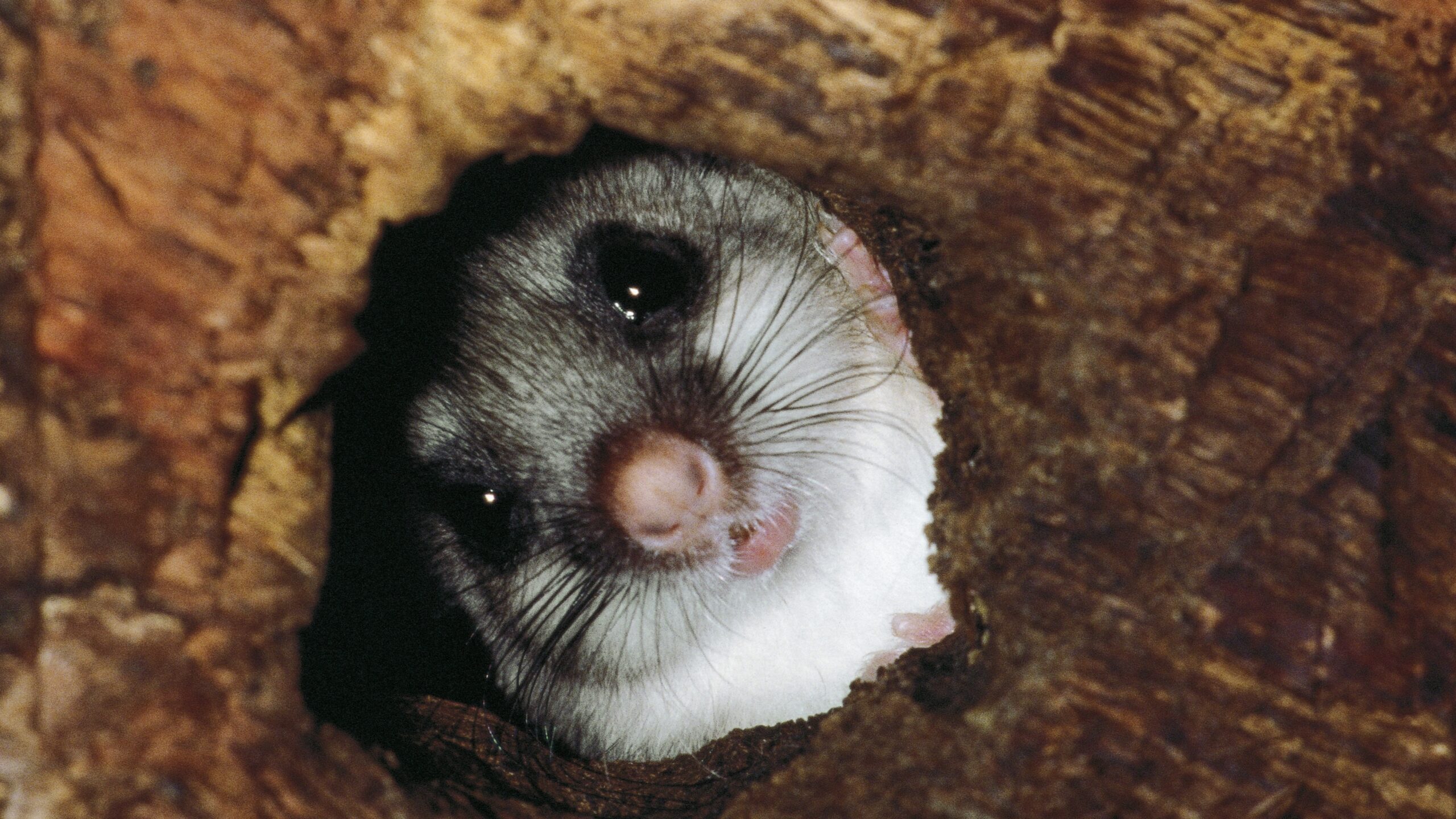
In a remarkable exploration of animal physiology, recent studies reveal that many species can adjust their body temperature to adapt to extreme environmental conditions. This phenomenon, known as heterothermy, contrasts sharply with the homeothermy seen in humans and other mammals, which maintain a stable internal temperature regardless of external fluctuations.
The concept of body temperature regulation has been a subject of interest since the 18th century. In 1774, British physician Charles Blagden famously experienced extreme heat, managing to maintain a body temperature of 98°F (approximately 37°C) in a room heated to nearly 200°F (about 93°C). Today, scientists understand that while many mammals and birds are homeothermic, some species exhibit significant flexibility in their temperature regulation, allowing them to thrive in challenging environments.
Understanding Heterothermy
Research conducted at institutions such as the University of Maine has highlighted the growing recognition of heterothermy, where animals can vary their body temperature over short or extended periods. This flexibility can be crucial for survival, particularly in the face of environmental stressors. According to Danielle Levesque, a mammalian ecophysiologist, the study of these unique adaptations is revealing a breadth of animal behavior previously underestimated.
One of the most familiar forms of heterothermy is hibernation, primarily studied in animals that enter deep torpor to conserve energy during harsh winters. However, scientists are increasingly viewing hibernation as part of a broader spectrum of temperature regulation strategies. For instance, many mammals engage in shorter periods of shallow torpor to cope with varying circumstances, suggesting that this tactic serves multiple functions beyond energy conservation.
A striking example is found in the Australian eastern long-eared bats, which adjust their torpor based on daily weather changes. Research led by Mari Aas Fjelldal at the Norwegian University of Life Sciences utilized tiny transmitters to monitor the skin temperatures of 37 free-ranging bats. The findings, published in the journal Oecologia in 2021, indicated that bats enter torpor more frequently during cold, rainy, or windy conditions, where flying and foraging become energetically costly.
Adaptive Behavior in Response to Environmental Changes
The ability to enter torpor not only aids in energy conservation but can also adaptively synchronize reproductive cycles. For example, pregnant hoary bats may enter torpor during unpredictable spring storms, allowing them to time their births for when food availability is optimal. Fjelldal notes that this strategy helps ensure that the bats can produce milk during periods of abundance rather than during harsh conditions.
Similarly, the sugar glider, a small marsupial, typically does not rely on torpor but can use it during extreme weather events. In a study observing gliders during a cyclone with winds reaching nearly 100 km/h, researchers found that they were more likely to remain in their nests, entering torpor and reducing their body temperature significantly. This adaptive behavior illustrates how flexible temperature regulation can enhance survival during inclement weather.
Another notable case is the golden spiny mouse, which exhibited an unusual multiday torpor period in response to flooding in a laboratory setting. This flexibility allows heterothermic animals to endure challenging conditions that would be difficult for homeothermic species, which cannot easily reduce their metabolic demands.
In addition to weather-related challenges, the presence of predators can trigger torpor. The edible dormouse, for instance, goes into long periods of torpor during active periods for predators like owls, opting for safety rather than foraging when the risk is high.
Research has shown that even slight variations in body temperature can significantly influence water and energy conservation. As Julia Nowack from Liverpool John Moores University points out, these adaptations are essential for survival in unpredictable environments, particularly as climate change continues to alter habitats.
Implications for Future Research
The insights gained from studying heterothermy not only enhance our understanding of animal physiology but also underscore the resilience of various species in adapting to changing conditions. As climate change accelerates, the ability to adapt through flexible body temperature regulation may become increasingly vital.
While humans excel in maintaining consistent body temperatures, this ability can be a disadvantage for smaller mammals in extreme heat. Many, such as Madagascar’s leaf-nosed bats, employ brief torpor to conserve water and energy during heat waves, illustrating a sophisticated strategy for enduring temperature extremes.
Overall, the research surrounding how animals manage their body heat is revealing a complex and fascinating world. As scientists continue to delve into these adaptations, they are uncovering the remarkable ways in which various species survive and thrive despite the challenges posed by their environments. This growing body of knowledge may have significant implications for conservation and the management of wildlife in a rapidly changing world.

iShares Core Dividend Growth ETF Faces Challenges; Alternatives Suggested

Discover 7 Scenic Hikes Near Calgary to Explore This Spring

Scientists Uncover Life’s Building Blocks in Ryugu Asteroid Samples

Windsor-Essex Unveils New Action Plan to Combat Substance Use

Boost Your Business Visibility with These Local SEO Strategies

East Algoma OPP Urges Public to Limit Travel Amid Hazardous Conditions

Universities Must Rethink Failure to Support Student Growth

Canada Invests $6.4 Million to Boost Green Shipping Corridors

Stony Plain Secures 14th Consecutive Award for Financial Reporting Excellence

Rhythm Pharmaceuticals Reports Strong Q4 Growth Ahead of FDA Decision

Brandon University’s Failed $5 Million Project Sparks Oversight Review

Microsoft Confirms U.S. Law Overrules Canadian Data Sovereignty

Winnipeg Celebrates Culinary Creativity During Le Burger Week 2025

Discover Aritzia’s Latest Fashion Trends: A Comprehensive Review

New SĆIȺNEW̱ SṮEȽIṮḴEȽ Elementary Opens in Langford for 2025/2026 Year

EngineAI Unveils T800 Humanoid Robot, Setting New Industry Standards

Montreal’s Groupe Marcelle Leads Canadian Cosmetic Industry Growth

Tech Innovator Amandipp Singh Transforms Hiring for Disabled

Dragon Ball: Sparking! Zero Launching on Switch and Switch 2 This November

Digg Relaunches as Founders Kevin Rose and Alexis Ohanian Join Forces
-
 Education7 months ago
Brandon University’s Failed $5 Million Project Sparks Oversight Review
-
 Science8 months ago
Microsoft Confirms U.S. Law Overrules Canadian Data Sovereignty
-
 Lifestyle7 months ago
Winnipeg Celebrates Culinary Creativity During Le Burger Week 2025
-
 Lifestyle4 months ago
Discover Aritzia’s Latest Fashion Trends: A Comprehensive Review
-
 Education8 months ago
New SĆIȺNEW̱ SṮEȽIṮḴEȽ Elementary Opens in Langford for 2025/2026 Year
-
 Business4 months ago
EngineAI Unveils T800 Humanoid Robot, Setting New Industry Standards
-
 Health8 months ago
Montreal’s Groupe Marcelle Leads Canadian Cosmetic Industry Growth
-
 Science8 months ago
Tech Innovator Amandipp Singh Transforms Hiring for Disabled
-
 Technology8 months ago
Dragon Ball: Sparking! Zero Launching on Switch and Switch 2 This November
-
 Technology3 months ago
Digg Relaunches as Founders Kevin Rose and Alexis Ohanian Join Forces
-

 Lifestyle4 weeks ago
Canmore’s Le Fournil Bakery to Close After 14 Successful Years
-
 Top Stories4 months ago
Canadiens Eye Elias Pettersson: What It Would Cost to Acquire Him
-

 Health7 months ago
Eganville Leader to Close in 2026 After 123 Years of Reporting
-

 Education8 months ago
Red River College Launches New Programs to Address Industry Needs
-

 Top Stories4 months ago
Nicol Brothers Shine as Wheat Kings Dominate U18 AAA Hockey
-

 Business8 months ago
BNA Brewing to Open New Bowling Alley in Downtown Penticton
-

 Business7 months ago
Rocket Lab Reports Strong Q2 2025 Revenue Growth and Future Plans
-

 Education6 months ago
Alberta Petition Aims to Redirect Funds from Private to Public Schools
-

 Lifestyle5 months ago
Edmonton’s Beloved Evolution Wonderlounge Closes, New Era Begins
-

 Education8 months ago
Alberta Teachers’ Strike: Potential Impacts on Students and Families
-

 Technology6 months ago
Discord Faces Serious Security Breach Affecting Millions
-

 Technology8 months ago
Google Pixel 10 Pro Fold Specs Unveiled Ahead of Launch
-

 Business8 months ago
Iconic Golden Lion Restaurant in South Surrey to Close After 50 Years
-

 Lifestyle6 months ago
Canadian Author Secures Funding to Write Book Without Financial Strain