
Science
AI Reinforces Unrealistic Body Ideals for Athletes, Study Finds

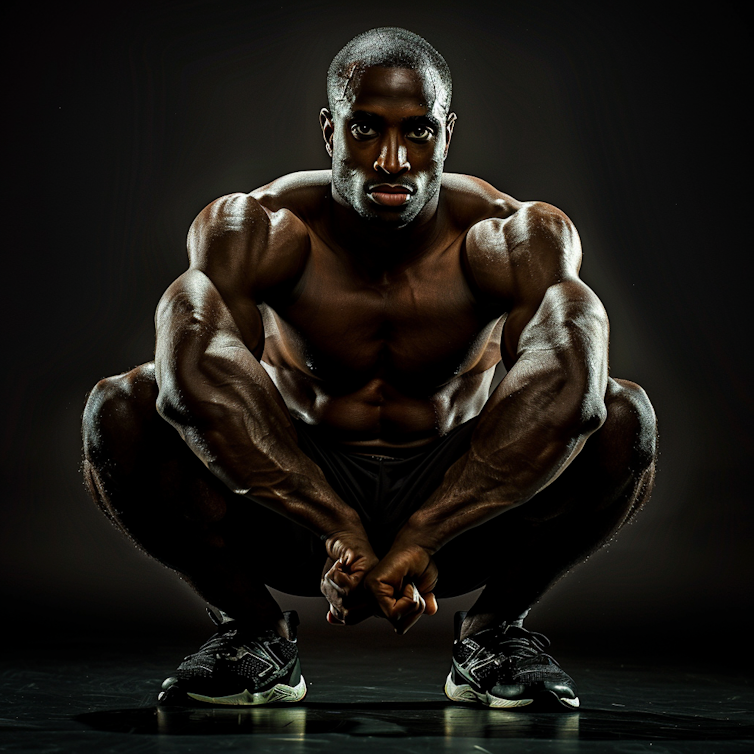
A recent study conducted by researchers at the University of Toronto revealed that artificial intelligence (AI) is perpetuating unrealistic body ideals, particularly for athletes. The study analyzed AI-generated images of both male and female athletes and non-athletes, uncovering a trend of exaggerated and likely unattainable body standards.
Athletes have long faced societal pressures to conform to specific body images, often characterized as thin, muscular, and conventionally attractive. These pressures come from coaches, competitors, spectators, and the media, emphasizing appearance over athletic performance. The consequences of such objectification include negative body image, poor mental health, and decreased performance in sports. With the increasing prevalence of AI on social media, understanding how these technologies depict bodies has become essential.
AI Depictions: A Narrow View of Athleticism
The research team generated 300 images using various AI platforms, including DALL-E, MidJourney, and Stable Diffusion, to examine how athlete and non-athlete bodies are presented. The study documented demographic factors, body fat levels, muscularity, clothing fit, and facial attractiveness.
The findings revealed that AI-generated images of male athletes predominantly featured young, lean, and muscular individuals, with 93.3 percent appearing young, 68.4 percent lean, and 54.2 percent muscular. For female athletes, the images presented a similar trend, with 100 percent depicted as young, 87.5 percent thin, and almost all (87.5 percent) wearing revealing clothing. Notably, images of athletes were almost universally lean (98.4 percent) and muscular (93.4 percent), dressed in tight and revealing exercise gear.
In contrast, images of non-athletes showcased a broader diversity of body sizes and clothing types, often featuring looser-fitting clothing. Alarmingly, when requesting images solely of “athletes,” researchers found that 90 percent of the generated images were male. Furthermore, none of the images included individuals with visible disabilities or larger body types.
Consequences of Distorted Body Ideals
The implications of these findings are significant, especially given that over 4.6 billion people use social media, with 71 percent of the images generated by AI. This exposure can foster self-objectification and the internalization of distorted body ideals, leading individuals to engage in unhealthy behaviors, such as excessive dieting or over-exercising, in an attempt to conform to these unrealistic standards.
Research indicates that negative body image affects not only personal well-being but also academic and athletic performance. While maintaining an active lifestyle can enhance body image, the reverse is often true; a poor body image can exacerbate dropout rates in sports and physical activities.
The absence of diverse representations, particularly regarding individuals with disabilities, is especially concerning. Approximately 27 percent of Canadians over the age of 15 live with at least one disability, making the lack of representation in AI-generated imagery a glaring oversight.
The study highlights that AI draws from a biased database of existing media, recycling and reinforcing harmful appearance ideals rather than offering diverse and realistic representations of human bodies. This reliance on narrow standards leads to a lack of diversity in the portrayal of bodies, contributing to a cycle of unrealistic expectations and decreased body satisfaction.
As creators of the visual content that informs AI systems, society bears responsibility for ensuring that these technologies do not perpetuate forms of discrimination, including ableism, racism, fatphobia, and ageism. Users of AI-generated imagery should take care in crafting prompts and critically assessing the images they encounter.
To combat the proliferation of narrow body standards, it is crucial for society to advocate for a more inclusive representation of all body types in AI-generated images. By insisting on diverse portrayals, there is potential to reflect reality more accurately and foster a healthier public perception of body image.
In closing, as AI-generated images continue to shape our media landscape, it is essential to remain aware of the narratives these images promote and to challenge the limited views of athleticism they often convey.

iShares Core Dividend Growth ETF Faces Challenges; Alternatives Suggested

Discover 7 Scenic Hikes Near Calgary to Explore This Spring

Scientists Uncover Life’s Building Blocks in Ryugu Asteroid Samples

Windsor-Essex Unveils New Action Plan to Combat Substance Use

Boost Your Business Visibility with These Local SEO Strategies

East Algoma OPP Urges Public to Limit Travel Amid Hazardous Conditions

Universities Must Rethink Failure to Support Student Growth

Canada Invests $6.4 Million to Boost Green Shipping Corridors

Stony Plain Secures 14th Consecutive Award for Financial Reporting Excellence

Rhythm Pharmaceuticals Reports Strong Q4 Growth Ahead of FDA Decision

Brandon University’s Failed $5 Million Project Sparks Oversight Review

Microsoft Confirms U.S. Law Overrules Canadian Data Sovereignty

Winnipeg Celebrates Culinary Creativity During Le Burger Week 2025

Discover Aritzia’s Latest Fashion Trends: A Comprehensive Review

New SĆIȺNEW̱ SṮEȽIṮḴEȽ Elementary Opens in Langford for 2025/2026 Year

EngineAI Unveils T800 Humanoid Robot, Setting New Industry Standards

Montreal’s Groupe Marcelle Leads Canadian Cosmetic Industry Growth

Tech Innovator Amandipp Singh Transforms Hiring for Disabled

Dragon Ball: Sparking! Zero Launching on Switch and Switch 2 This November

Digg Relaunches as Founders Kevin Rose and Alexis Ohanian Join Forces
-
 Education7 months ago
Brandon University’s Failed $5 Million Project Sparks Oversight Review
-
 Science8 months ago
Microsoft Confirms U.S. Law Overrules Canadian Data Sovereignty
-
 Lifestyle7 months ago
Winnipeg Celebrates Culinary Creativity During Le Burger Week 2025
-
 Lifestyle4 months ago
Discover Aritzia’s Latest Fashion Trends: A Comprehensive Review
-
 Education7 months ago
New SĆIȺNEW̱ SṮEȽIṮḴEȽ Elementary Opens in Langford for 2025/2026 Year
-
 Business4 months ago
EngineAI Unveils T800 Humanoid Robot, Setting New Industry Standards
-
 Health8 months ago
Montreal’s Groupe Marcelle Leads Canadian Cosmetic Industry Growth
-
 Science8 months ago
Tech Innovator Amandipp Singh Transforms Hiring for Disabled
-
 Technology8 months ago
Dragon Ball: Sparking! Zero Launching on Switch and Switch 2 This November
-
 Technology3 months ago
Digg Relaunches as Founders Kevin Rose and Alexis Ohanian Join Forces
-
 Top Stories4 months ago
Canadiens Eye Elias Pettersson: What It Would Cost to Acquire Him
-

 Lifestyle4 weeks ago
Canmore’s Le Fournil Bakery to Close After 14 Successful Years
-

 Health7 months ago
Eganville Leader to Close in 2026 After 123 Years of Reporting
-

 Education8 months ago
Red River College Launches New Programs to Address Industry Needs
-

 Top Stories4 months ago
Nicol Brothers Shine as Wheat Kings Dominate U18 AAA Hockey
-

 Business7 months ago
Rocket Lab Reports Strong Q2 2025 Revenue Growth and Future Plans
-

 Business8 months ago
BNA Brewing to Open New Bowling Alley in Downtown Penticton
-

 Education6 months ago
Alberta Petition Aims to Redirect Funds from Private to Public Schools
-

 Education8 months ago
Alberta Teachers’ Strike: Potential Impacts on Students and Families
-

 Technology6 months ago
Discord Faces Serious Security Breach Affecting Millions
-

 Lifestyle5 months ago
Edmonton’s Beloved Evolution Wonderlounge Closes, New Era Begins
-

 Technology8 months ago
Google Pixel 10 Pro Fold Specs Unveiled Ahead of Launch
-

 Business7 months ago
Iconic Golden Lion Restaurant in South Surrey to Close After 50 Years
-

 Science8 months ago
China’s Wukong Spacesuit Sets New Standard for AI in Space