
Science
AI in Healthcare: Lessons for Reliable Implementation Unveiled

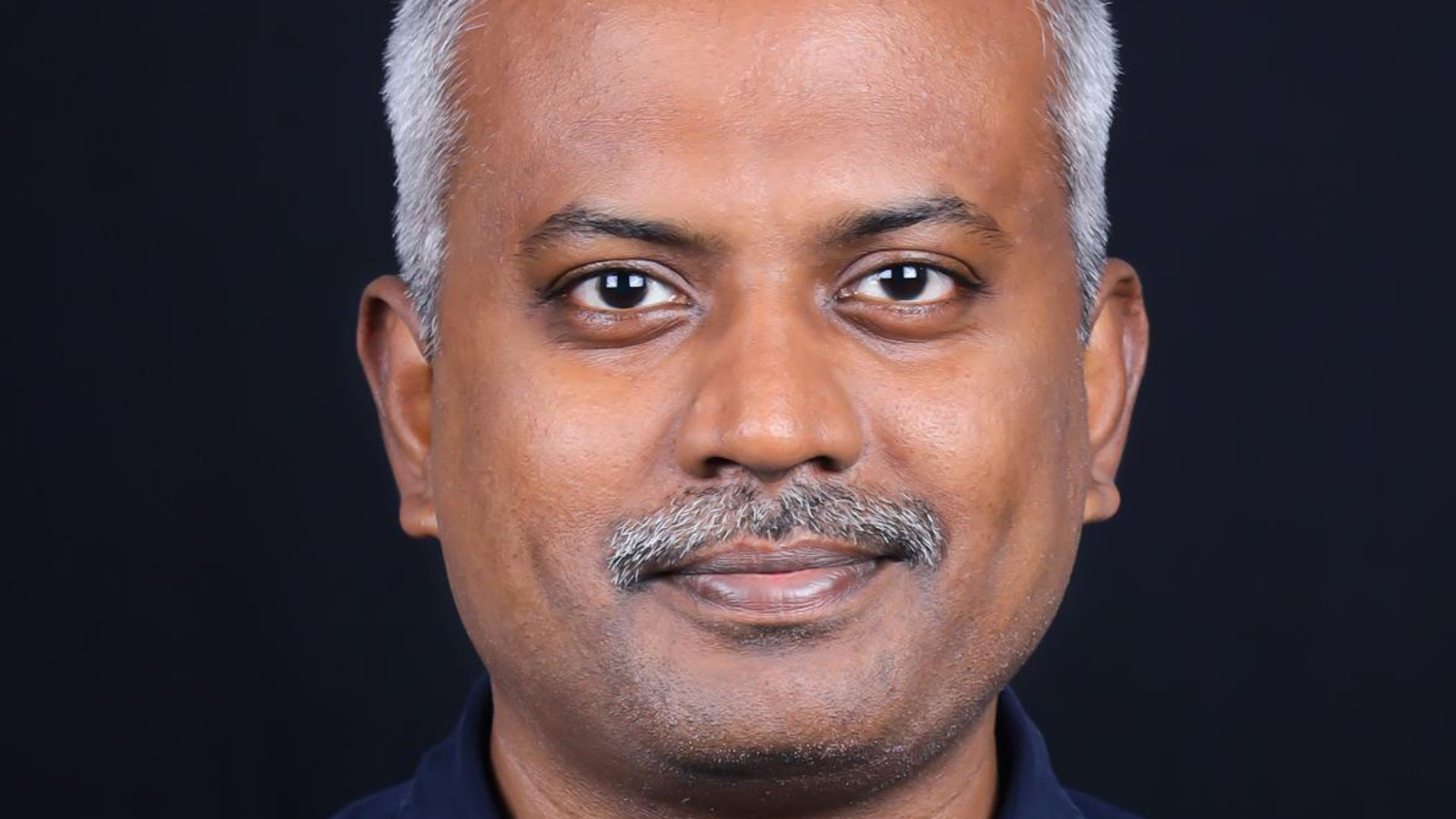
The enterprise artificial intelligence (AI) sector faces significant challenges, with research indicating that over 80% of AI projects fail to progress beyond the laboratory stage. According to industry insights from Gartner, this pattern often follows a predictable trajectory: a promising demonstration leads to an enthusiastic pilot, only to quietly fizzle out. Kousik Rajendran, a veteran in healthcare software development, believes the root causes of these failures lie not in technical aspects but in a fundamental misunderstanding of the unique demands of the healthcare sector.
Rajendran’s journey began nearly a decade ago when he was part of the team at Healtho5 Solutions. In 2016, they introduced an update to their patient engagement platform, which inadvertently sent appointment reminders to discharged patients. While no harm was done, the incident highlighted a crucial difference between typical software and healthcare applications: in healthcare, software failures can have serious consequences, such as missed follow-up appointments. Rajendran reflected, “In most software, a bug is an inconvenience. In healthcare, a bug can mean a patient misses a critical follow-up.”
Building on this experience, Healtho5 developed MedEngage, a platform designed to streamline patient communications and track health outcomes. This endeavor revealed that the technical challenges in healthcare are distinct from those in other industries. Integration with various electronic health record systems, adherence to stringent regulatory requirements, and the necessity for near-perfect reliability are paramount. Rajendran’s team ensured that every automated action had an audit trail, allowing systems to degrade gracefully instead of failing entirely. They embedded human oversight into workflows from the outset, anticipating edge cases that, while rare, could have significant implications.
In 2020, Rajendran transitioned to Amazon Web Services as a Principal Solutions Architect, where he collaborated with major healthcare organizations on AI adoption. His observations reaffirmed his earlier conclusions about the factors contributing to AI project failures. Successful organizations treated AI as essential infrastructure rather than mere experimentation. They prioritized data quality before delving into model sophistication and designed systems for maintainability from the beginning. These organizations also planned for potential failures, implementing systems capable of detecting issues and alerting human operators.
“Healthcare does not forgive mistakes the way other industries do,” Rajendran stated. “If your e-commerce recommendation engine falters, someone sees an irrelevant product. If your patient communication system fails, someone might miss a screening appointment.”
Currently, Rajendran is at the helm of Aivar Innovations, an AI services firm he co-founded with the mission of bridging the gap between experimentation and practical implementation. Aivar offers two platforms: Convogent AI for voice applications and Velogent AI for process automation. The company’s methodology directly reflects the principles learned in healthcare.
Principles for Effective AI Implementation
Aivar’s first principle is observability by design. Every AI system must include comprehensive logging and monitoring from the outset. Teams require visibility not only into the system’s actions but also into the rationale behind specific decisions. Rajendran’s experience in healthcare necessitated explaining automated actions to regulators, providers, and sometimes patients, a discipline he believes is beneficial across all sectors.
The second principle is graceful degradation. Systems should continue to operate, albeit at reduced capacity, when components fail or encounter unexpected situations. This includes fallback behaviors, timeout mechanisms, and clear escalation paths to human operators.
Continuous validation forms the third principle. Production systems must undergo ongoing testing with real-world data, rather than relying solely on development datasets. As patterns evolve, systems need to identify performance drift before it escalates into a significant issue.
Aivar’s approach is gaining traction across various industries, including financial services, healthcare, logistics, and manufacturing. The company’s growth has attracted attention from investors, including Bessemer Venture Partners, which supported Aivar in its seed funding round.
Interestingly, Aivar is based in Coimbatore, a city in Tamil Nadu known more for textiles than technology. This choice may appear unconventional in an industry dominated by hubs like Bangalore and Hyderabad. However, Rajendran perceives advantages in this location, such as lower talent costs that extend operational runway and a more stable engineering talent pool with less turnover than major tech centers.
Rajendran further notes the value of distance from the hype cycles prevalent in larger tech hubs. “When you are in a major tech hub, there is pressure to chase whatever is trendy. Every conversation is about the latest model. In Coimbatore, we focus on what actually works for customers,” he explained.
As AI technology matures, Rajendran sees the market at a pivotal moment. Advances in large language models have made natural language interfaces feasible, and improved computer vision technologies are now production-ready. Costs have dropped significantly, and investor interest in AI services is surging, reflecting the belief that practical implementation will become as crucial as innovation.
Rajendran emphasizes that while the capability gap has closed, the deployment gap remains vast. He forecasts that the next phase of enterprise AI will be characterized by operational maturity rather than mere model sophistication. Organizations that treat AI as infrastructure and invest in the essential but often overlooked aspects of integration, monitoring, and maintenance will emerge as the winners in this evolving landscape.
The lessons learned from environments where system reliability is non-negotiable may prove invaluable for the broader enterprise AI sector. Rajendran’s experiences in healthcare compel him to assert that the discipline required in that field could be precisely what enterprise AI needs to thrive.

iShares Core Dividend Growth ETF Faces Challenges; Alternatives Suggested

Discover 7 Scenic Hikes Near Calgary to Explore This Spring

Scientists Uncover Life’s Building Blocks in Ryugu Asteroid Samples

Windsor-Essex Unveils New Action Plan to Combat Substance Use

Boost Your Business Visibility with These Local SEO Strategies

East Algoma OPP Urges Public to Limit Travel Amid Hazardous Conditions

Universities Must Rethink Failure to Support Student Growth

Canada Invests $6.4 Million to Boost Green Shipping Corridors

Stony Plain Secures 14th Consecutive Award for Financial Reporting Excellence

Rhythm Pharmaceuticals Reports Strong Q4 Growth Ahead of FDA Decision

Brandon University’s Failed $5 Million Project Sparks Oversight Review

Microsoft Confirms U.S. Law Overrules Canadian Data Sovereignty

Winnipeg Celebrates Culinary Creativity During Le Burger Week 2025

Discover Aritzia’s Latest Fashion Trends: A Comprehensive Review

New SĆIȺNEW̱ SṮEȽIṮḴEȽ Elementary Opens in Langford for 2025/2026 Year

EngineAI Unveils T800 Humanoid Robot, Setting New Industry Standards

Montreal’s Groupe Marcelle Leads Canadian Cosmetic Industry Growth

Tech Innovator Amandipp Singh Transforms Hiring for Disabled

Dragon Ball: Sparking! Zero Launching on Switch and Switch 2 This November

Digg Relaunches as Founders Kevin Rose and Alexis Ohanian Join Forces
-
 Education7 months ago
Brandon University’s Failed $5 Million Project Sparks Oversight Review
-
 Science8 months ago
Microsoft Confirms U.S. Law Overrules Canadian Data Sovereignty
-
 Lifestyle7 months ago
Winnipeg Celebrates Culinary Creativity During Le Burger Week 2025
-
 Lifestyle4 months ago
Discover Aritzia’s Latest Fashion Trends: A Comprehensive Review
-
 Education8 months ago
New SĆIȺNEW̱ SṮEȽIṮḴEȽ Elementary Opens in Langford for 2025/2026 Year
-
 Business4 months ago
EngineAI Unveils T800 Humanoid Robot, Setting New Industry Standards
-
 Health8 months ago
Montreal’s Groupe Marcelle Leads Canadian Cosmetic Industry Growth
-
 Science8 months ago
Tech Innovator Amandipp Singh Transforms Hiring for Disabled
-
 Technology8 months ago
Dragon Ball: Sparking! Zero Launching on Switch and Switch 2 This November
-
 Technology3 months ago
Digg Relaunches as Founders Kevin Rose and Alexis Ohanian Join Forces
-

 Lifestyle4 weeks ago
Canmore’s Le Fournil Bakery to Close After 14 Successful Years
-
 Top Stories4 months ago
Canadiens Eye Elias Pettersson: What It Would Cost to Acquire Him
-

 Health7 months ago
Eganville Leader to Close in 2026 After 123 Years of Reporting
-

 Education8 months ago
Red River College Launches New Programs to Address Industry Needs
-

 Top Stories4 months ago
Nicol Brothers Shine as Wheat Kings Dominate U18 AAA Hockey
-

 Business8 months ago
BNA Brewing to Open New Bowling Alley in Downtown Penticton
-

 Business7 months ago
Rocket Lab Reports Strong Q2 2025 Revenue Growth and Future Plans
-

 Education6 months ago
Alberta Petition Aims to Redirect Funds from Private to Public Schools
-

 Lifestyle5 months ago
Edmonton’s Beloved Evolution Wonderlounge Closes, New Era Begins
-

 Education8 months ago
Alberta Teachers’ Strike: Potential Impacts on Students and Families
-

 Technology6 months ago
Discord Faces Serious Security Breach Affecting Millions
-

 Technology8 months ago
Google Pixel 10 Pro Fold Specs Unveiled Ahead of Launch
-

 Business7 months ago
Iconic Golden Lion Restaurant in South Surrey to Close After 50 Years
-

 Science8 months ago
China’s Wukong Spacesuit Sets New Standard for AI in Space