
Science
Advances in DNA Analysis Resolve Cold Cases in Quebec

In a significant legal milestone, Sylvie Desjardins confronted her daughter’s killer in a Quebec courtroom last October, delivering a poignant message 30 years in the making. Her daughter, Marie-Chantale Desjardins, was just 10 years old when she was brutally murdered in 1994. This case, long haunting both investigators and the victim’s family, culminated in Réal Courtemanche‘s conviction for second-degree murder, marking a notable success in the fight against cold cases.
The resolution of this case showcases the growing impact of advancements in DNA analysis, which have become pivotal in solving cold cases across Quebec. According to Diane Séguin, head of the DNA section at the provincial crime lab, significant breakthroughs in forensic biology have enhanced the ability to identify suspects through DNA evidence collected at crime scenes. The lab analyzes approximately 50 cold cases annually and has helped resolve between eight to ten cases in recent years.
Modern Techniques Transforming Investigations
One of the key developments in DNA analysis is the use of improved extraction techniques and genetic genealogy. This method involves comparing DNA from crime scenes to public databases, which contain profiles submitted by individuals researching their family histories. “I’m optimistic,” Séguin stated, emphasizing that the increasing number of DNA profiles in these databases raises the likelihood of finding matches that can lead to solving cases.
The provincial crime lab processes between 30,000 and 40,000 pieces of evidence each year, resulting in 4,000 to 5,000 DNA profiles being uploaded to the national DNA databank known as the crime scene index. Initial steps in both cold and active investigations involve uploading DNA profiles extracted from evidence to check for matches with known offenders. Advances allow for the re-examination of decades-old evidence, significantly increasing the chances of identification.
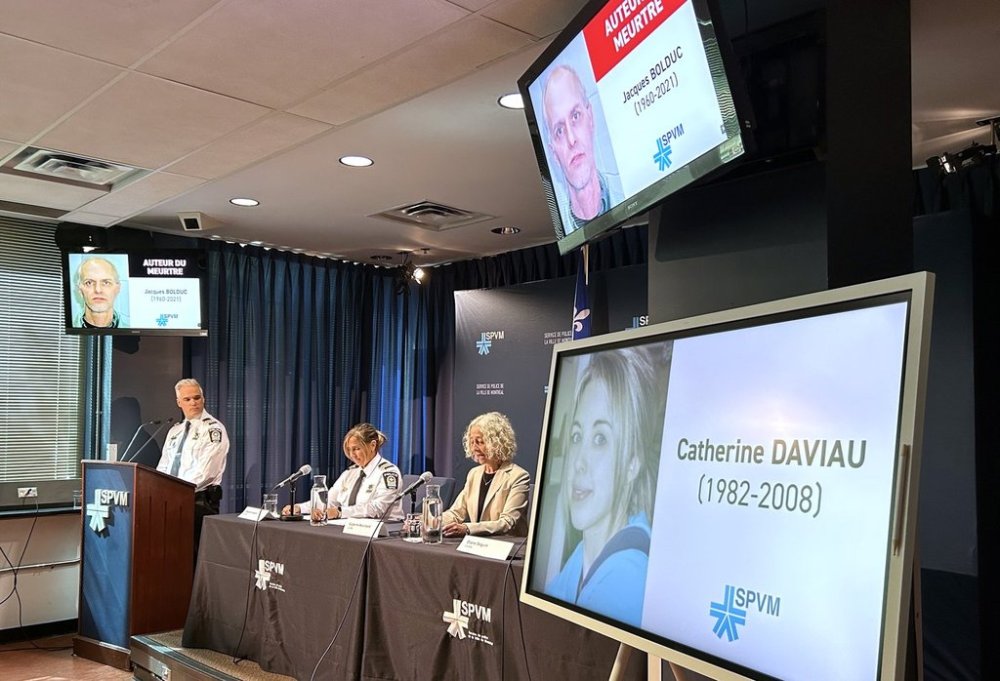
In September, the technique of genetic genealogy played a crucial role in identifying the murderer of Catherine Daviau, who was killed in her Montreal apartment in December 2008. Investigators found a DNA sample at the scene linked to profiles in public databases, eventually focusing on Jacques Bolduc, who passed away in prison in 2021 while serving a sentence for unrelated charges. Although Bolduc had no prior connection to Daviau, he had responded to an online advertisement she placed to sell her car.
Expanding the Use of DNA Technology
While the benefits of genetic genealogy are clear, Séguin cautions that these results are primarily leads for police to further investigate. The responsibility lies with law enforcement to gather more evidence based on these findings. She advocates for applying genetic genealogy techniques to more active cases to prevent potential future crimes, noting the importance of addressing ongoing threats.
Recent advancements have also led to breakthroughs in other notable cases. In September, Quebec provincial police arrested a suspect in connection with a 1979 home invasion in Causapscal, and in July, authorities confirmed that a body discovered in 1997 in Prince Edward Island belonged to a man who had been missing from Quebec the previous year. Additionally, an arrest was made in the 2011 murder of Valérie Leblanc, whose remains were found near a college campus.
Despite the enthusiasm surrounding these advancements, some experts, including criminologist Michael Arntfield, express caution regarding the implications of expanding DNA collection practices. The Canadian Association of Chiefs of Police has suggested broadening the list of crimes that require DNA samples to be uploaded to the national databank, which currently includes only a limited number of serious offenses. While this could expedite solving cases, it raises significant civil rights and privacy concerns.
Arntfield argues that with increased adoption of these techniques, the concept of a cold case could eventually become obsolete, especially if implemented in real-time investigations. “With increased buy-in to this technique, there will be a time when you could almost retire the term cold case,” he remarked, suggesting that prompt resolutions could prevent cases from stagnating.
In conclusion, the developments in DNA analysis offer renewed hope for families affected by unsolved crimes. As more individuals consent to upload their genetic information to databases, the potential for solving cold cases increases, paving the way for justice and closure for many.
This report, originally published on December 29, 2025, highlights the ongoing evolution of forensic science and its implications for law enforcement and public safety.

iShares Core Dividend Growth ETF Faces Challenges; Alternatives Suggested

Discover 7 Scenic Hikes Near Calgary to Explore This Spring

Scientists Uncover Life’s Building Blocks in Ryugu Asteroid Samples

Windsor-Essex Unveils New Action Plan to Combat Substance Use

Boost Your Business Visibility with These Local SEO Strategies

East Algoma OPP Urges Public to Limit Travel Amid Hazardous Conditions

Universities Must Rethink Failure to Support Student Growth

Canada Invests $6.4 Million to Boost Green Shipping Corridors

Stony Plain Secures 14th Consecutive Award for Financial Reporting Excellence

Rhythm Pharmaceuticals Reports Strong Q4 Growth Ahead of FDA Decision

Brandon University’s Failed $5 Million Project Sparks Oversight Review

Microsoft Confirms U.S. Law Overrules Canadian Data Sovereignty

Winnipeg Celebrates Culinary Creativity During Le Burger Week 2025

Discover Aritzia’s Latest Fashion Trends: A Comprehensive Review

New SĆIȺNEW̱ SṮEȽIṮḴEȽ Elementary Opens in Langford for 2025/2026 Year

EngineAI Unveils T800 Humanoid Robot, Setting New Industry Standards

Montreal’s Groupe Marcelle Leads Canadian Cosmetic Industry Growth

Tech Innovator Amandipp Singh Transforms Hiring for Disabled

Dragon Ball: Sparking! Zero Launching on Switch and Switch 2 This November

Digg Relaunches as Founders Kevin Rose and Alexis Ohanian Join Forces
-
 Education7 months ago
Brandon University’s Failed $5 Million Project Sparks Oversight Review
-
 Science8 months ago
Microsoft Confirms U.S. Law Overrules Canadian Data Sovereignty
-
 Lifestyle7 months ago
Winnipeg Celebrates Culinary Creativity During Le Burger Week 2025
-
 Lifestyle4 months ago
Discover Aritzia’s Latest Fashion Trends: A Comprehensive Review
-
 Education7 months ago
New SĆIȺNEW̱ SṮEȽIṮḴEȽ Elementary Opens in Langford for 2025/2026 Year
-
 Business4 months ago
EngineAI Unveils T800 Humanoid Robot, Setting New Industry Standards
-
 Health8 months ago
Montreal’s Groupe Marcelle Leads Canadian Cosmetic Industry Growth
-
 Science8 months ago
Tech Innovator Amandipp Singh Transforms Hiring for Disabled
-
 Technology8 months ago
Dragon Ball: Sparking! Zero Launching on Switch and Switch 2 This November
-
 Technology3 months ago
Digg Relaunches as Founders Kevin Rose and Alexis Ohanian Join Forces
-

 Lifestyle4 weeks ago
Canmore’s Le Fournil Bakery to Close After 14 Successful Years
-
 Top Stories4 months ago
Canadiens Eye Elias Pettersson: What It Would Cost to Acquire Him
-

 Health7 months ago
Eganville Leader to Close in 2026 After 123 Years of Reporting
-

 Education8 months ago
Red River College Launches New Programs to Address Industry Needs
-

 Top Stories4 months ago
Nicol Brothers Shine as Wheat Kings Dominate U18 AAA Hockey
-

 Business8 months ago
BNA Brewing to Open New Bowling Alley in Downtown Penticton
-

 Business7 months ago
Rocket Lab Reports Strong Q2 2025 Revenue Growth and Future Plans
-

 Education6 months ago
Alberta Petition Aims to Redirect Funds from Private to Public Schools
-

 Lifestyle5 months ago
Edmonton’s Beloved Evolution Wonderlounge Closes, New Era Begins
-

 Education8 months ago
Alberta Teachers’ Strike: Potential Impacts on Students and Families
-

 Technology6 months ago
Discord Faces Serious Security Breach Affecting Millions
-

 Technology8 months ago
Google Pixel 10 Pro Fold Specs Unveiled Ahead of Launch
-

 Business7 months ago
Iconic Golden Lion Restaurant in South Surrey to Close After 50 Years
-

 Science8 months ago
China’s Wukong Spacesuit Sets New Standard for AI in Space