
Science
Advances in DNA Analysis Bring Closure to Quebec Cold Cases

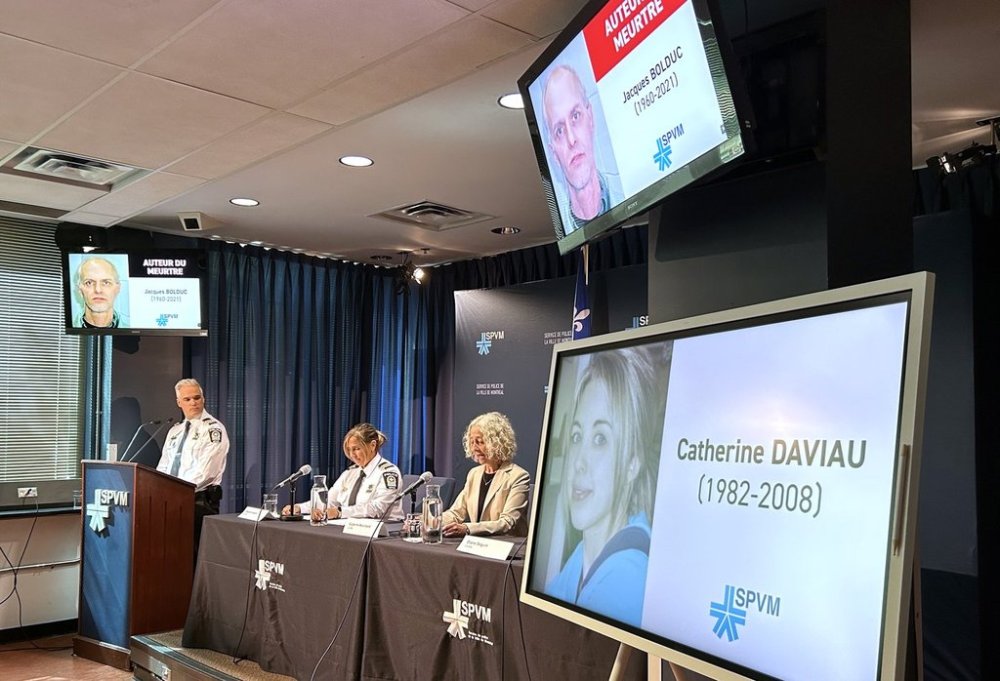
In a significant development for cold case investigations, advances in DNA analysis have led to the resolution of several long-unsolved murders in Quebec. Notably, in October 2025, Sylvie Desjardins confronted her daughter’s killer, Réal Courtemanche, in court, delivering a powerful message that encapsulated three decades of grief. “You thought you were taking a life, but in truth, you only added weight to your own existence,” she stated, addressing Courtemanche, who was convicted of the second-degree murder of 10-year-old Marie-Chantale Desjardins.
The tragic case of Marie-Chantale, whose body was discovered in 1994, had haunted her family and investigators for years. Her remains were found four days after she disappeared while cycling home from a friend’s house. The breakthrough in this case, along with others, has been attributed to the evolution of forensic science, particularly in the realm of DNA analysis.
Technological Advancements in Forensic Science
Diane Séguin, head of the DNA section at the Laboratoire de sciences judiciaires et de médecine légale, reported that her team analyzes approximately 50 cold cases annually, successfully aiding police in resolving between eight and ten cases each year. “Scientific advances and major breakthroughs in the field of forensic biology” were crucial in identifying Courtemanche through DNA evidence collected from the crime scene, according to the presiding judge in the Desjardins case.
The lab’s enhancements in DNA extraction techniques and the utilization of genetic genealogy have transformed the landscape of cold case investigations. Genetic genealogy involves comparing DNA samples from crime scenes to public DNA databases, which consist of profiles uploaded by individuals researching their ancestry. Séguin expressed optimism about the future, stating, “The more people put their DNA in those banks… the more there will be some matches and investigations that will be resolved.”
The Impact of Public DNA Databases
The sheer volume of DNA profiles available in national databases has increased the likelihood of successful identifications. Each year, the lab processes between 30,000 and 40,000 pieces of evidence, resulting in 4,000 to 5,000 DNA profiles being uploaded to the national DNA databank known as the crime scene index. In both cold and active cases, the initial step involves matching DNA profiles from crime scenes to known offenders.
As part of their efforts, Séguin’s team also conducts “patronymic research,” which links DNA profiles with surnames. This method can sometimes yield leads, even when the match only connects a suspect to a distant relative. For instance, in September 2025, genetic genealogy helped identify Jacques Bolduc as the murderer of 26-year-old Catherine Daviau, who was killed in her apartment in December 2008. Although Bolduc had passed away in prison in 2021, the investigation revealed that he had responded to an online advertisement by Daviau.
While genetic genealogy provides valuable leads, Séguin emphasized that it is only a starting point for police investigations. Investigators must gather additional evidence to substantiate any claims made based on genetic matches. She advocates for the use of these techniques in active cases, explaining, “It’s good to work on cold cases, but it’s also good to work on contemporary cases to prevent some other assaults.”
Recent successes illustrate the potential of these techniques. In September 2025, advances in DNA analysis enabled Quebec provincial police to arrest a suspect for manslaughter in a 1979 home invasion in Causapscal. Additionally, a body discovered in 1997 in Prince Edward Island was confirmed to belong to a man missing from Quebec since the previous year.
Despite the promise shown by genetic genealogy, there are ongoing discussions about the ethical implications of expanding the DNA databank. Michael Arntfield, a criminologist at Western University, highlights the push to broaden the list of crimes requiring DNA uploads to include a wider array of offenses. While such changes could expedite investigations, they raise civil rights and privacy concerns.
Arntfield believes that with increased participation in DNA databases, the concept of “cold cases” may become obsolete. He noted, “If it’s used in real-time homicides, it would never get to the stage of it being cold.”
As technology continues to evolve, the hope remains that the advancements in DNA analysis will provide closure for more families affected by unsolved crimes. The recent developments in Quebec serve as a poignant reminder of the potential of forensic science to bring justice and resolution to those long left in the shadows.

iShares Core Dividend Growth ETF Faces Challenges; Alternatives Suggested

Discover 7 Scenic Hikes Near Calgary to Explore This Spring

Scientists Uncover Life’s Building Blocks in Ryugu Asteroid Samples

Windsor-Essex Unveils New Action Plan to Combat Substance Use

Boost Your Business Visibility with These Local SEO Strategies

East Algoma OPP Urges Public to Limit Travel Amid Hazardous Conditions

Universities Must Rethink Failure to Support Student Growth

Canada Invests $6.4 Million to Boost Green Shipping Corridors

Stony Plain Secures 14th Consecutive Award for Financial Reporting Excellence

Rhythm Pharmaceuticals Reports Strong Q4 Growth Ahead of FDA Decision

Brandon University’s Failed $5 Million Project Sparks Oversight Review

Microsoft Confirms U.S. Law Overrules Canadian Data Sovereignty

Winnipeg Celebrates Culinary Creativity During Le Burger Week 2025

Discover Aritzia’s Latest Fashion Trends: A Comprehensive Review

New SĆIȺNEW̱ SṮEȽIṮḴEȽ Elementary Opens in Langford for 2025/2026 Year

EngineAI Unveils T800 Humanoid Robot, Setting New Industry Standards

Montreal’s Groupe Marcelle Leads Canadian Cosmetic Industry Growth

Tech Innovator Amandipp Singh Transforms Hiring for Disabled

Dragon Ball: Sparking! Zero Launching on Switch and Switch 2 This November

Digg Relaunches as Founders Kevin Rose and Alexis Ohanian Join Forces
-
 Education7 months ago
Brandon University’s Failed $5 Million Project Sparks Oversight Review
-
 Science8 months ago
Microsoft Confirms U.S. Law Overrules Canadian Data Sovereignty
-
 Lifestyle7 months ago
Winnipeg Celebrates Culinary Creativity During Le Burger Week 2025
-
 Lifestyle4 months ago
Discover Aritzia’s Latest Fashion Trends: A Comprehensive Review
-
 Education8 months ago
New SĆIȺNEW̱ SṮEȽIṮḴEȽ Elementary Opens in Langford for 2025/2026 Year
-
 Business4 months ago
EngineAI Unveils T800 Humanoid Robot, Setting New Industry Standards
-
 Health8 months ago
Montreal’s Groupe Marcelle Leads Canadian Cosmetic Industry Growth
-
 Science8 months ago
Tech Innovator Amandipp Singh Transforms Hiring for Disabled
-
 Technology8 months ago
Dragon Ball: Sparking! Zero Launching on Switch and Switch 2 This November
-
 Technology3 months ago
Digg Relaunches as Founders Kevin Rose and Alexis Ohanian Join Forces
-

 Lifestyle4 weeks ago
Canmore’s Le Fournil Bakery to Close After 14 Successful Years
-
 Top Stories4 months ago
Canadiens Eye Elias Pettersson: What It Would Cost to Acquire Him
-

 Health7 months ago
Eganville Leader to Close in 2026 After 123 Years of Reporting
-

 Education8 months ago
Red River College Launches New Programs to Address Industry Needs
-

 Top Stories4 months ago
Nicol Brothers Shine as Wheat Kings Dominate U18 AAA Hockey
-

 Business8 months ago
BNA Brewing to Open New Bowling Alley in Downtown Penticton
-

 Business7 months ago
Rocket Lab Reports Strong Q2 2025 Revenue Growth and Future Plans
-

 Education6 months ago
Alberta Petition Aims to Redirect Funds from Private to Public Schools
-

 Lifestyle5 months ago
Edmonton’s Beloved Evolution Wonderlounge Closes, New Era Begins
-

 Education8 months ago
Alberta Teachers’ Strike: Potential Impacts on Students and Families
-

 Technology6 months ago
Discord Faces Serious Security Breach Affecting Millions
-

 Technology8 months ago
Google Pixel 10 Pro Fold Specs Unveiled Ahead of Launch
-

 Business7 months ago
Iconic Golden Lion Restaurant in South Surrey to Close After 50 Years
-

 Science8 months ago
China’s Wukong Spacesuit Sets New Standard for AI in Space