
Lifestyle
Winnipeg’s Main Street Project Offers Safe Opioid Access to Combat Overdose Crisis

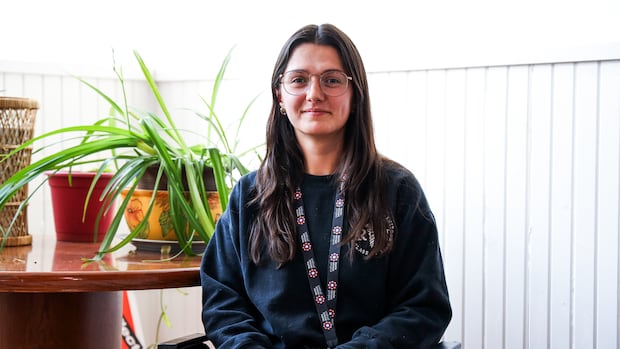
A community initiative in Winnipeg aims to reduce the risk of overdose deaths linked to opioid addiction through its safe supply program. The Main Street Project provides individuals struggling with opioid dependency a prescribed daily dose of hydromorphone, a pharmaceutical opioid. This initiative seeks to offer a safer alternative to the dangerous street drugs that have contributed to a significant rise in overdose fatalities.
Dr. Shelley Turner, the medical director of the program, emphasizes the urgency of their mission. “You can’t treat dead people. You have to give people a chance,” she stated, reflecting the critical need for intervention as the opioid crisis continues to escalate. According to preliminary data from the chief medical examiner’s office, over half of the **292 drug-related deaths** in Manitoba during the first nine months of last year involved opioids. The program targets a small group of participants, providing them a structured environment to manage their addiction more safely.
The intake process for participants involves a thorough assessment of their medical and social history. Each individual is given a tailored prescription, monitored closely to ensure they receive an adequate amount to avoid withdrawal symptoms. “What we’re trying to do is to give them enough that they need to function day-to-day,” Turner explained, highlighting the complexity of many participants’ situations, including chronic pain and other health issues.
The program not only aims to prevent fatalities but also strives to create opportunities for recovery and personal growth. For many, success may mean securing stable housing or being able to attend essential appointments. Karen Murison, director of community initiatives at Main Street Project, noted that providing individuals with a reliable supply of medication can lead to significant improvements in their lives. “When folks are spending a lot of time chasing or trying to find that drug supply, it causes a lot of different things in their lives that can have negative effects,” she said.
Currently, the program has a maximum of five participants, with only eight individuals having benefitted from it since its inception over a year and a half ago. Although it remains limited in size, Murison and her team are committed to meeting individuals where they are in their substance use journey. Participants are also connected to additional support services, including mental health care and housing assistance.
Brianna Sookram, the harm reduction nurse and manager for the program, describes the initiative as transformative. It facilitates reconnections with family and enables participants to focus on personal goals. “I think the big thing is it connects people back to their family and their loved ones,” Sookram remarked, noting that while the program is not currently accepting new participants, there is a waitlist due to high demand.
A critical aspect of the program involves the secure dispensing of medications. Hydromorphone is provided through a locked dispensing machine that uses biometric palm scans for identification, ensuring that the medication reaches the appropriate individuals safely. “It’s like a vending machine that has the aspects of dispensing from a pharmacy,” Sookram described, underlining the importance of stringent protocols in a program designed to mitigate risk.
Turner expressed a desire to expand the program beyond hydromorphone to include other substances like fentanyl, which has been increasingly prevalent in the illicit drug market. “Really, what we’re trying to do is to prevent Manitobans from dying,” she asserted. Turner shared a personal connection to the crisis, revealing that she lost a cousin to an overdose in 2022, which fuels her commitment to the program.
Funding for the Main Street Project’s initiative initially came from a federal grant through a British Columbia program, with ongoing support from nonprofit foundations and private donors. Jamil Mahmood, the executive director of Main Street Project, noted that these resources help cover medications not funded through health benefits.
Conversations about establishing a safe supply program occurred years ago, with significant contributions from the late Dr. Barry Lavallee, a physician known for advocating healthcare improvements for Indigenous communities. Turner acknowledged Lavallee’s instrumental role in bringing the program to fruition, stating, “We appreciated his leadership and his strength in that.”
As the opioid crisis continues to challenge communities across Canada, the Main Street Project’s safe supply program represents a proactive approach to combating addiction and overdose deaths. Through personalized care, support services, and a focus on community wellbeing, this initiative exemplifies the potential for change in a landscape marked by tragedy and loss.

iShares Core Dividend Growth ETF Faces Challenges; Alternatives Suggested

Discover 7 Scenic Hikes Near Calgary to Explore This Spring

Scientists Uncover Life’s Building Blocks in Ryugu Asteroid Samples

Windsor-Essex Unveils New Action Plan to Combat Substance Use

Boost Your Business Visibility with These Local SEO Strategies

East Algoma OPP Urges Public to Limit Travel Amid Hazardous Conditions

Universities Must Rethink Failure to Support Student Growth

Canada Invests $6.4 Million to Boost Green Shipping Corridors

Stony Plain Secures 14th Consecutive Award for Financial Reporting Excellence

Rhythm Pharmaceuticals Reports Strong Q4 Growth Ahead of FDA Decision

Brandon University’s Failed $5 Million Project Sparks Oversight Review

Microsoft Confirms U.S. Law Overrules Canadian Data Sovereignty

Discover Aritzia’s Latest Fashion Trends: A Comprehensive Review

Winnipeg Celebrates Culinary Creativity During Le Burger Week 2025

New SĆIȺNEW̱ SṮEȽIṮḴEȽ Elementary Opens in Langford for 2025/2026 Year

EngineAI Unveils T800 Humanoid Robot, Setting New Industry Standards

Montreal’s Groupe Marcelle Leads Canadian Cosmetic Industry Growth

Tech Innovator Amandipp Singh Transforms Hiring for Disabled

Dragon Ball: Sparking! Zero Launching on Switch and Switch 2 This November

Canmore’s Le Fournil Bakery to Close After 14 Successful Years
-
 Education7 months ago
Brandon University’s Failed $5 Million Project Sparks Oversight Review
-
 Science8 months ago
Microsoft Confirms U.S. Law Overrules Canadian Data Sovereignty
-
 Lifestyle4 months ago
Discover Aritzia’s Latest Fashion Trends: A Comprehensive Review
-
 Lifestyle8 months ago
Winnipeg Celebrates Culinary Creativity During Le Burger Week 2025
-
 Education8 months ago
New SĆIȺNEW̱ SṮEȽIṮḴEȽ Elementary Opens in Langford for 2025/2026 Year
-
 Business4 months ago
EngineAI Unveils T800 Humanoid Robot, Setting New Industry Standards
-
 Health8 months ago
Montreal’s Groupe Marcelle Leads Canadian Cosmetic Industry Growth
-
 Science8 months ago
Tech Innovator Amandipp Singh Transforms Hiring for Disabled
-
 Technology8 months ago
Dragon Ball: Sparking! Zero Launching on Switch and Switch 2 This November
-
 Lifestyle1 month ago
Canmore’s Le Fournil Bakery to Close After 14 Successful Years
-

 Technology3 months ago
Digg Relaunches as Founders Kevin Rose and Alexis Ohanian Join Forces
-
 Top Stories4 months ago
Canadiens Eye Elias Pettersson: What It Would Cost to Acquire Him
-

 Health7 months ago
Eganville Leader to Close in 2026 After 123 Years of Reporting
-

 Education8 months ago
Red River College Launches New Programs to Address Industry Needs
-

 Top Stories4 months ago
Nicol Brothers Shine as Wheat Kings Dominate U18 AAA Hockey
-

 Business8 months ago
BNA Brewing to Open New Bowling Alley in Downtown Penticton
-

 Business7 months ago
Rocket Lab Reports Strong Q2 2025 Revenue Growth and Future Plans
-

 Lifestyle5 months ago
Edmonton’s Beloved Evolution Wonderlounge Closes, New Era Begins
-

 Education6 months ago
Alberta Petition Aims to Redirect Funds from Private to Public Schools
-

 Education8 months ago
Alberta Teachers’ Strike: Potential Impacts on Students and Families
-

 Technology6 months ago
Discord Faces Serious Security Breach Affecting Millions
-

 Technology8 months ago
Google Pixel 10 Pro Fold Specs Unveiled Ahead of Launch
-

 Business8 months ago
Iconic Golden Lion Restaurant in South Surrey to Close After 50 Years
-

 Lifestyle6 months ago
Canadian Author Secures Funding to Write Book Without Financial Strain