
Lifestyle
Canada Ranks Eighth in 2026 Global Passport Power Index

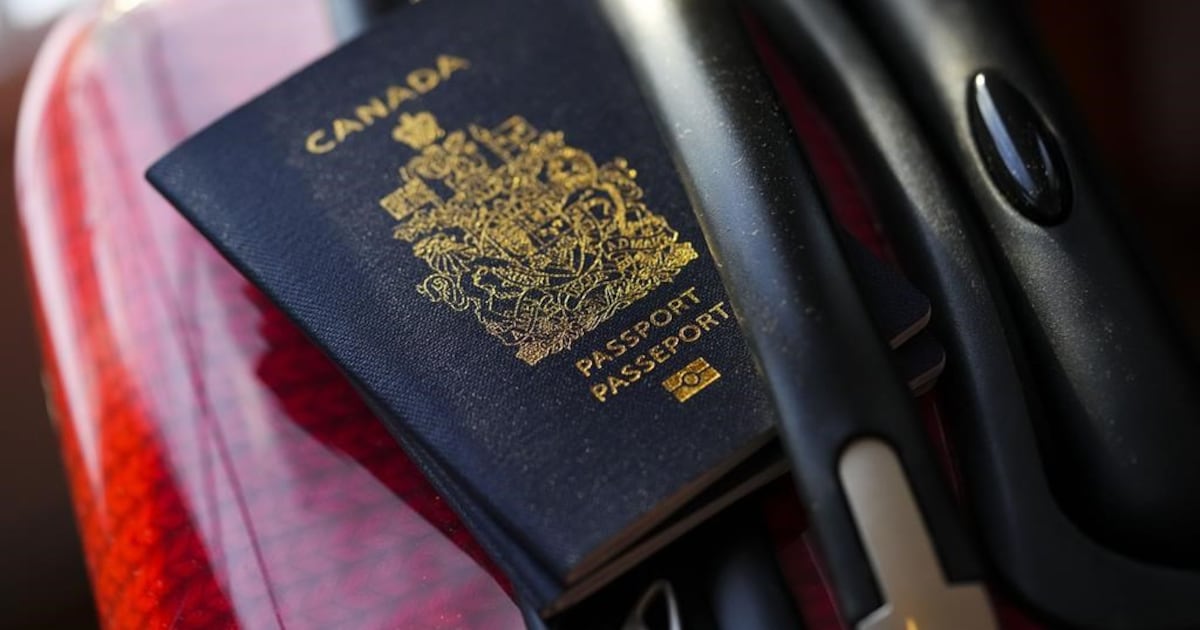
Canada’s passport has secured an impressive position as the eighth most powerful globally in the 2026 Henley Passport Index. This ranking highlights that the Canadian passport allows its holders visa-free or visa-on-arrival access to 181 countries, placing it ahead of the United States, which ranks tenth with access to 179 destinations. The index, compiled by Henley & Partners, utilizes data from the International Air Transport Association to assess global mobility and diplomatic reach.
The Henley Passport Index serves as a significant measure of travel freedom, focusing primarily on visa access. According to Basil Mohr-Elzeki, managing partner at Henley & Partners, the ranking is based on a straightforward calculation of visa requirements. “The Canadian passport allows Canadians to travel to 181 countries without a visa, meaning you don’t need to apply for paperwork in advance,” he explained. The distinction between visa-free access and visas on arrival is also noted; Mohr-Elzeki described the latter as an extra procedural step when entering a country.
Despite the positive ranking, experts advise a nuanced interpretation of the index. Randall Hansen, Canada research chair in global migration at the University of Toronto, emphasized that the rankings reflect visa policies imposed primarily by wealthier countries. “What this really measures is the number of visa requirements a particular passport faces,” he stated. Hansen argues that more meaningful measures of mobility include rights to live and work abroad, a privilege associated with European Union (EU) passports.
Canada’s passport has enjoyed a strong reputation historically, having ranked as high as second in the world in 2014. While it has maintained a position within the top ten, the rise of Asian and European countries has contributed to a slight decline in its standings. Reasons for Canada’s eighth-place position include its relatively higher visa requirements for certain destinations and its more conservative approach to establishing bilateral agreements with other nations.
Mohr-Elzeki noted that Canada allows visa-free entry to only 54 countries, which is less than some of its competitors. “Traditionally, Canada had some of the highest visa costs in the world,” Hansen remarked, calling attention to the regressive nature of this system. He pointed out that while a corporate lawyer may not be affected by a C$80 visa fee, a young student might find it prohibitive.
Looking forward, Hansen believes Canada has the potential to improve its ranking by adjusting its visa policies and expanding access to more ‘safe country of origin’ destinations. “Canada could do it tomorrow,” he asserted. He classified the Canadian passport as “good, not the best,” suggesting there is room for improvement.
Global Passport Rankings: A Broader Perspective
The latest rankings reveal that Asian passports dominate the top of the list. Singapore holds the number one position with visa-free access to 192 destinations, followed closely by Japan and South Korea, which are tied for second place with access to 188 countries. Five European nations, including Denmark and Sweden, share third place, each providing access to 186 destinations.
Additionally, the United Arab Emirates stands out as a remarkable performer in the index’s history, having climbed 57 places since 2006. This rise is attributed to enhanced diplomatic relations and a commitment to visa liberalization.
Interestingly, while Canada maintains a solid position, several traditional mobility nations are experiencing declines. The United Kingdom, now tied for seventh place, has lost visa-free access to eight countries within the past year. The U.S. has also seen a drop, losing access to seven destinations since the previous year.
At the bottom of the index, Afghanistan ranks last, with visa-free access to just 24 destinations, followed by Syria and Iraq. The gap between the top-ranked and bottom-ranked passports now stands at an astonishing 168 countries.
As countries worldwide begin to recognize the value of enhanced passport power, many are taking steps to improve their citizens’ travel capabilities. Mohr-Elzeki noted that this trend could lead to rising ranks for mid-tier countries in the future, reflecting a broader commitment to facilitating international mobility.

iShares Core Dividend Growth ETF Faces Challenges; Alternatives Suggested

Discover 7 Scenic Hikes Near Calgary to Explore This Spring

Scientists Uncover Life’s Building Blocks in Ryugu Asteroid Samples

Windsor-Essex Unveils New Action Plan to Combat Substance Use

Boost Your Business Visibility with These Local SEO Strategies

East Algoma OPP Urges Public to Limit Travel Amid Hazardous Conditions

Universities Must Rethink Failure to Support Student Growth

Canada Invests $6.4 Million to Boost Green Shipping Corridors

Stony Plain Secures 14th Consecutive Award for Financial Reporting Excellence

Rhythm Pharmaceuticals Reports Strong Q4 Growth Ahead of FDA Decision

Brandon University’s Failed $5 Million Project Sparks Oversight Review

Microsoft Confirms U.S. Law Overrules Canadian Data Sovereignty

Discover Aritzia’s Latest Fashion Trends: A Comprehensive Review

Winnipeg Celebrates Culinary Creativity During Le Burger Week 2025

New SĆIȺNEW̱ SṮEȽIṮḴEȽ Elementary Opens in Langford for 2025/2026 Year

EngineAI Unveils T800 Humanoid Robot, Setting New Industry Standards

Montreal’s Groupe Marcelle Leads Canadian Cosmetic Industry Growth

Tech Innovator Amandipp Singh Transforms Hiring for Disabled

Dragon Ball: Sparking! Zero Launching on Switch and Switch 2 This November

Canmore’s Le Fournil Bakery to Close After 14 Successful Years
-
 Education7 months ago
Brandon University’s Failed $5 Million Project Sparks Oversight Review
-
 Science8 months ago
Microsoft Confirms U.S. Law Overrules Canadian Data Sovereignty
-
 Lifestyle4 months ago
Discover Aritzia’s Latest Fashion Trends: A Comprehensive Review
-
 Lifestyle8 months ago
Winnipeg Celebrates Culinary Creativity During Le Burger Week 2025
-
 Education8 months ago
New SĆIȺNEW̱ SṮEȽIṮḴEȽ Elementary Opens in Langford for 2025/2026 Year
-
 Business4 months ago
EngineAI Unveils T800 Humanoid Robot, Setting New Industry Standards
-
 Health8 months ago
Montreal’s Groupe Marcelle Leads Canadian Cosmetic Industry Growth
-
 Science8 months ago
Tech Innovator Amandipp Singh Transforms Hiring for Disabled
-
 Technology8 months ago
Dragon Ball: Sparking! Zero Launching on Switch and Switch 2 This November
-
 Lifestyle1 month ago
Canmore’s Le Fournil Bakery to Close After 14 Successful Years
-

 Technology3 months ago
Digg Relaunches as Founders Kevin Rose and Alexis Ohanian Join Forces
-
 Top Stories4 months ago
Canadiens Eye Elias Pettersson: What It Would Cost to Acquire Him
-

 Health7 months ago
Eganville Leader to Close in 2026 After 123 Years of Reporting
-

 Education8 months ago
Red River College Launches New Programs to Address Industry Needs
-

 Top Stories4 months ago
Nicol Brothers Shine as Wheat Kings Dominate U18 AAA Hockey
-

 Business8 months ago
BNA Brewing to Open New Bowling Alley in Downtown Penticton
-

 Business7 months ago
Rocket Lab Reports Strong Q2 2025 Revenue Growth and Future Plans
-

 Lifestyle5 months ago
Edmonton’s Beloved Evolution Wonderlounge Closes, New Era Begins
-

 Education6 months ago
Alberta Petition Aims to Redirect Funds from Private to Public Schools
-

 Education8 months ago
Alberta Teachers’ Strike: Potential Impacts on Students and Families
-

 Technology6 months ago
Discord Faces Serious Security Breach Affecting Millions
-

 Technology8 months ago
Google Pixel 10 Pro Fold Specs Unveiled Ahead of Launch
-

 Business8 months ago
Iconic Golden Lion Restaurant in South Surrey to Close After 50 Years
-

 Lifestyle6 months ago
Canadian Author Secures Funding to Write Book Without Financial Strain