
Lifestyle
Arab Canadians Celebrate Heritage on World Arabic Language Day

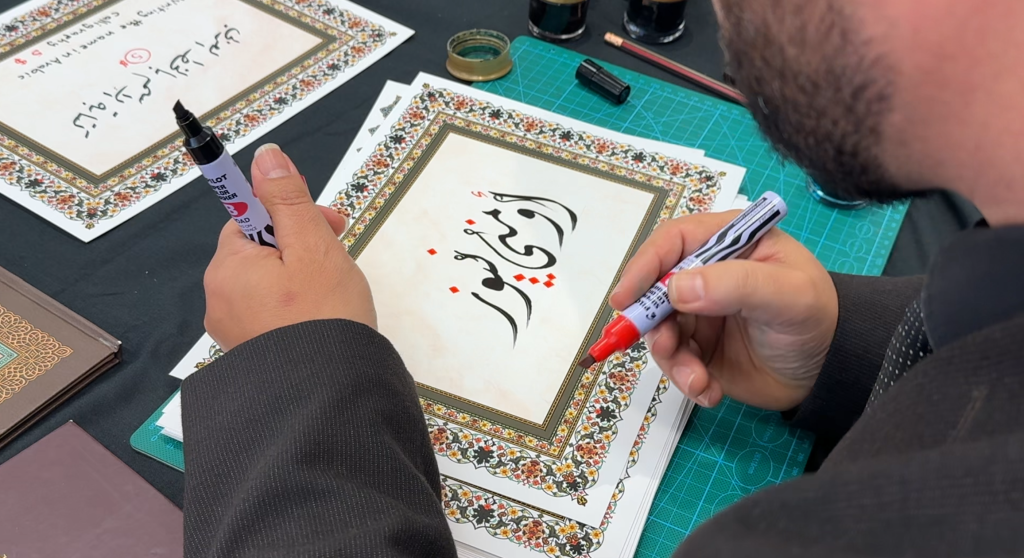
World Arabic Language Day on December 18 highlighted the efforts of Arab Canadians to preserve and promote their language and culture. This annual observance, established by the United Nations Educational Scientific and Cultural Organization (UNESCO) in 2012, marks the adoption of Arabic as the sixth official language of the United Nations in 1973.
In various cities across Canada, community members are actively engaging in initiatives to keep Arabic alive among younger generations. For instance, parents are choosing to enroll their children in schools like the Waterdown Islamic School in Hamilton, Ontario, where students learn Arabic daily rather than just once or twice a week. Leileh Zaidi, a teacher at the school, emphasized the importance of multilingualism, stating, “As a mother, I think it is important for children to learn several languages; it opens many doors to them, so the more the better.”
In Vancouver, the My Roots Arabic School is making strides in teaching Arabic dialects alongside Classical Arabic. Manager Maha Nagi explained that their curriculum is designed to preserve cultural roots by incorporating various dialects, including Syrian, Lebanese, and Egyptian. This approach not only fosters language skills but also strengthens cultural identity.
Individual initiatives are also flourishing within the community. Hiba Kalakehce has developed a series of books that emphasize dialects, aiming to help children connect with their Arab heritage. As a speech specialist, Kalakehce ensures that each story includes phrases for students to learn, along with reference documents that resemble a dictionary.
To further encourage language practice, community events are being organized, where participants can win prizes for their language skills. Imad Hallak, founder of the Salsabil Al Dhad project, highlighted the challenge of limited application opportunities for children. He pointed out that while parents are eager to teach their children Arabic, the lack of practice at home—often due to English and French being the primary languages spoken—can hinder their progress.
The desire to reconnect with the Arabic language is not limited to children. The ongoing conflict in Gaza has spurred individuals like Nael Abu Jazzar to relearn Arabic in their adulthood. At 35 years old, Abu Jazzar reflects on missed opportunities during his childhood when he was told that proficiency in English was sufficient for success. “The Arabic language is not easy. It’s one of the hardest languages for English speakers to learn,” he shared, noting that the current situation has motivated him to deepen his understanding of the language.
Artistic expressions of the Arabic language also play a significant role in cultural preservation. Yasser Watad is building a career in Canada that introduces Arabic calligraphy to both Arabs and non-Arabs. He believes that the beauty of Arabic words captivates many, including those unfamiliar with the language. Watad quoted Pablo Picasso, who remarked on the profound impact Arabic calligraphy had on his understanding of abstract art.
Arabic calligraphy itself has various forms, including metal engravings that often feature verses from the Quran or popular proverbs. Calligrapher Hamid Royed explained the creativity involved in this art form, stating, “There are a hundred ways to draw a letter which gives the calligrapher the room to be creative.” He emphasized that the richness of the Arabic language, characterized by its three-letter root system and fluid writing style, enhances the art of calligraphy.
World Arabic Language Day serves as an important reminder of the need to cherish and promote the Arabic language and culture, particularly within the diaspora. As the community takes active steps to educate the younger generation, the hope is that the language will thrive for years to come.

iShares Core Dividend Growth ETF Faces Challenges; Alternatives Suggested

Discover 7 Scenic Hikes Near Calgary to Explore This Spring

Scientists Uncover Life’s Building Blocks in Ryugu Asteroid Samples

Windsor-Essex Unveils New Action Plan to Combat Substance Use

Boost Your Business Visibility with These Local SEO Strategies

East Algoma OPP Urges Public to Limit Travel Amid Hazardous Conditions

Universities Must Rethink Failure to Support Student Growth

Canada Invests $6.4 Million to Boost Green Shipping Corridors

Stony Plain Secures 14th Consecutive Award for Financial Reporting Excellence

Rhythm Pharmaceuticals Reports Strong Q4 Growth Ahead of FDA Decision

Brandon University’s Failed $5 Million Project Sparks Oversight Review

Microsoft Confirms U.S. Law Overrules Canadian Data Sovereignty

Winnipeg Celebrates Culinary Creativity During Le Burger Week 2025

Discover Aritzia’s Latest Fashion Trends: A Comprehensive Review

New SĆIȺNEW̱ SṮEȽIṮḴEȽ Elementary Opens in Langford for 2025/2026 Year

EngineAI Unveils T800 Humanoid Robot, Setting New Industry Standards

Montreal’s Groupe Marcelle Leads Canadian Cosmetic Industry Growth

Tech Innovator Amandipp Singh Transforms Hiring for Disabled

Dragon Ball: Sparking! Zero Launching on Switch and Switch 2 This November

Digg Relaunches as Founders Kevin Rose and Alexis Ohanian Join Forces
-
 Education7 months ago
Brandon University’s Failed $5 Million Project Sparks Oversight Review
-
 Science8 months ago
Microsoft Confirms U.S. Law Overrules Canadian Data Sovereignty
-
 Lifestyle7 months ago
Winnipeg Celebrates Culinary Creativity During Le Burger Week 2025
-
 Lifestyle4 months ago
Discover Aritzia’s Latest Fashion Trends: A Comprehensive Review
-
 Education8 months ago
New SĆIȺNEW̱ SṮEȽIṮḴEȽ Elementary Opens in Langford for 2025/2026 Year
-
 Business4 months ago
EngineAI Unveils T800 Humanoid Robot, Setting New Industry Standards
-
 Health8 months ago
Montreal’s Groupe Marcelle Leads Canadian Cosmetic Industry Growth
-
 Science8 months ago
Tech Innovator Amandipp Singh Transforms Hiring for Disabled
-
 Technology8 months ago
Dragon Ball: Sparking! Zero Launching on Switch and Switch 2 This November
-
 Technology3 months ago
Digg Relaunches as Founders Kevin Rose and Alexis Ohanian Join Forces
-

 Lifestyle4 weeks ago
Canmore’s Le Fournil Bakery to Close After 14 Successful Years
-
 Top Stories4 months ago
Canadiens Eye Elias Pettersson: What It Would Cost to Acquire Him
-

 Health7 months ago
Eganville Leader to Close in 2026 After 123 Years of Reporting
-

 Education8 months ago
Red River College Launches New Programs to Address Industry Needs
-

 Top Stories4 months ago
Nicol Brothers Shine as Wheat Kings Dominate U18 AAA Hockey
-

 Business8 months ago
BNA Brewing to Open New Bowling Alley in Downtown Penticton
-

 Business7 months ago
Rocket Lab Reports Strong Q2 2025 Revenue Growth and Future Plans
-

 Education6 months ago
Alberta Petition Aims to Redirect Funds from Private to Public Schools
-

 Lifestyle5 months ago
Edmonton’s Beloved Evolution Wonderlounge Closes, New Era Begins
-

 Education8 months ago
Alberta Teachers’ Strike: Potential Impacts on Students and Families
-

 Technology8 months ago
Google Pixel 10 Pro Fold Specs Unveiled Ahead of Launch
-

 Technology6 months ago
Discord Faces Serious Security Breach Affecting Millions
-

 Business8 months ago
Iconic Golden Lion Restaurant in South Surrey to Close After 50 Years
-

 Science8 months ago
China’s Wukong Spacesuit Sets New Standard for AI in Space