
Health
Zuckerberg Faces Jury as Haidt Calls for Big Tech Accountability

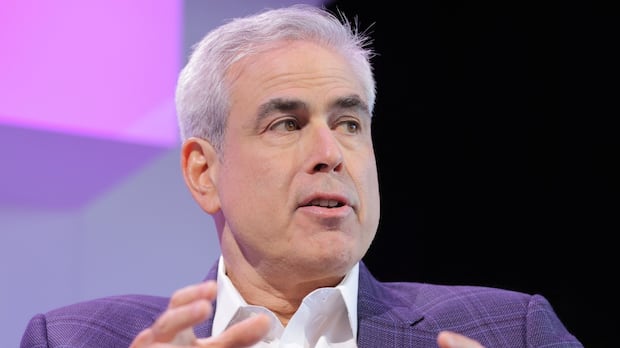
Social psychologist Jonathan Haidt has long warned about the dangers of social media for young users. His concerns gained traction this week as Mark Zuckerberg appeared in court for the first time, defending Meta Platforms against serious allegations. The trial centers on claims that the company knowingly targeted young users while designing its platforms to be addictive.
Haidt, author of the best-selling book The Anxious Generation, argues that the mental health crisis among Generation Z—those born after 1995—is directly linked to their unprecedented exposure to smartphones and social media. In an interview with Front Burner, he articulated his beliefs about the urgent need for accountability in the tech industry, particularly regarding its impact on youth.
The discussion delved into research that Haidt has compiled over the years. He noted that while previous critics argued that the relationship between social media use and mental health issues was merely correlational, he has gathered substantial evidence to suggest otherwise. “Heavy users are more depressed and anxious, and that’s no coincidence,” he stated. Haidt emphasized the decline of attention spans and cognitive abilities among young people, stating, “Test scores are literally dropping… IQ is literally dropping.”
According to Haidt, this decline is not confined to a small group but affects the majority of those born in developed countries since 1995. He pointed out that the implications extend beyond mental illness; they encompass diminished life satisfaction, reduced social skills, and lower chances of successful employment and relationships.
Haidt has had discussions with Zuckerberg and other tech leaders, but he describes their responses as one of denial. “He [Zuckerberg] knows the studies that suggest null effects, yet does not admit that his product is harming children at a very large scale,” Haidt recounted.
As part of ongoing litigation, a significant lawsuit in California challenges the immunity often granted to social media companies under Section 230 of the Communications Decency Act. This law has traditionally shielded platforms from liability for user-generated content. However, Haidt pointed out that the current legal argument seeks to hold these companies accountable for their design choices, particularly if those choices are found to prioritize addiction over user welfare.
The plaintiffs argue that if a company deliberately designs its platform to be addictive, knowing the risks, it should be held liable for the consequences. “They [Meta] took steps to maximize engagement… They knew what they were doing, and they did it anyway,” Haidt asserted.
He believes that a favorable ruling for the plaintiffs could have far-reaching implications. “So far, these companies have been completely immune to public pressure,” he said. If the jury rules in favor of the plaintiffs in these initial cases, it could lead to settlements in thousands of similar lawsuits.
The stakes are high, with potential liabilities reaching into the hundreds of billions of dollars. Haidt’s research, which includes 31 studies conducted by Meta itself, suggests the company has long been aware of the addictive nature of its platforms. “They knew it was addictive,” he stated.
As the trial progresses, the world will be watching closely to see how it may reshape the landscape of social media regulation and the responsibilities of tech companies toward their young users.

iShares Core Dividend Growth ETF Faces Challenges; Alternatives Suggested

Discover 7 Scenic Hikes Near Calgary to Explore This Spring

Scientists Uncover Life’s Building Blocks in Ryugu Asteroid Samples

Windsor-Essex Unveils New Action Plan to Combat Substance Use

Boost Your Business Visibility with These Local SEO Strategies

East Algoma OPP Urges Public to Limit Travel Amid Hazardous Conditions

Universities Must Rethink Failure to Support Student Growth

Canada Invests $6.4 Million to Boost Green Shipping Corridors

Stony Plain Secures 14th Consecutive Award for Financial Reporting Excellence

Rhythm Pharmaceuticals Reports Strong Q4 Growth Ahead of FDA Decision

Brandon University’s Failed $5 Million Project Sparks Oversight Review

Microsoft Confirms U.S. Law Overrules Canadian Data Sovereignty

Winnipeg Celebrates Culinary Creativity During Le Burger Week 2025

Discover Aritzia’s Latest Fashion Trends: A Comprehensive Review

New SĆIȺNEW̱ SṮEȽIṮḴEȽ Elementary Opens in Langford for 2025/2026 Year

EngineAI Unveils T800 Humanoid Robot, Setting New Industry Standards

Montreal’s Groupe Marcelle Leads Canadian Cosmetic Industry Growth

Tech Innovator Amandipp Singh Transforms Hiring for Disabled

Dragon Ball: Sparking! Zero Launching on Switch and Switch 2 This November

Digg Relaunches as Founders Kevin Rose and Alexis Ohanian Join Forces
-
 Education7 months ago
Brandon University’s Failed $5 Million Project Sparks Oversight Review
-
 Science8 months ago
Microsoft Confirms U.S. Law Overrules Canadian Data Sovereignty
-
 Lifestyle7 months ago
Winnipeg Celebrates Culinary Creativity During Le Burger Week 2025
-
 Lifestyle4 months ago
Discover Aritzia’s Latest Fashion Trends: A Comprehensive Review
-
 Education7 months ago
New SĆIȺNEW̱ SṮEȽIṮḴEȽ Elementary Opens in Langford for 2025/2026 Year
-
 Business4 months ago
EngineAI Unveils T800 Humanoid Robot, Setting New Industry Standards
-
 Health8 months ago
Montreal’s Groupe Marcelle Leads Canadian Cosmetic Industry Growth
-
 Science8 months ago
Tech Innovator Amandipp Singh Transforms Hiring for Disabled
-
 Technology8 months ago
Dragon Ball: Sparking! Zero Launching on Switch and Switch 2 This November
-
 Technology3 months ago
Digg Relaunches as Founders Kevin Rose and Alexis Ohanian Join Forces
-

 Lifestyle4 weeks ago
Canmore’s Le Fournil Bakery to Close After 14 Successful Years
-
 Top Stories4 months ago
Canadiens Eye Elias Pettersson: What It Would Cost to Acquire Him
-

 Health7 months ago
Eganville Leader to Close in 2026 After 123 Years of Reporting
-

 Education8 months ago
Red River College Launches New Programs to Address Industry Needs
-

 Top Stories4 months ago
Nicol Brothers Shine as Wheat Kings Dominate U18 AAA Hockey
-

 Business8 months ago
BNA Brewing to Open New Bowling Alley in Downtown Penticton
-

 Business7 months ago
Rocket Lab Reports Strong Q2 2025 Revenue Growth and Future Plans
-

 Education6 months ago
Alberta Petition Aims to Redirect Funds from Private to Public Schools
-

 Lifestyle5 months ago
Edmonton’s Beloved Evolution Wonderlounge Closes, New Era Begins
-

 Education8 months ago
Alberta Teachers’ Strike: Potential Impacts on Students and Families
-

 Technology6 months ago
Discord Faces Serious Security Breach Affecting Millions
-

 Technology8 months ago
Google Pixel 10 Pro Fold Specs Unveiled Ahead of Launch
-

 Business7 months ago
Iconic Golden Lion Restaurant in South Surrey to Close After 50 Years
-

 Science8 months ago
China’s Wukong Spacesuit Sets New Standard for AI in Space