
Health
Western University Launches Global Initiative for HIV Cure Access

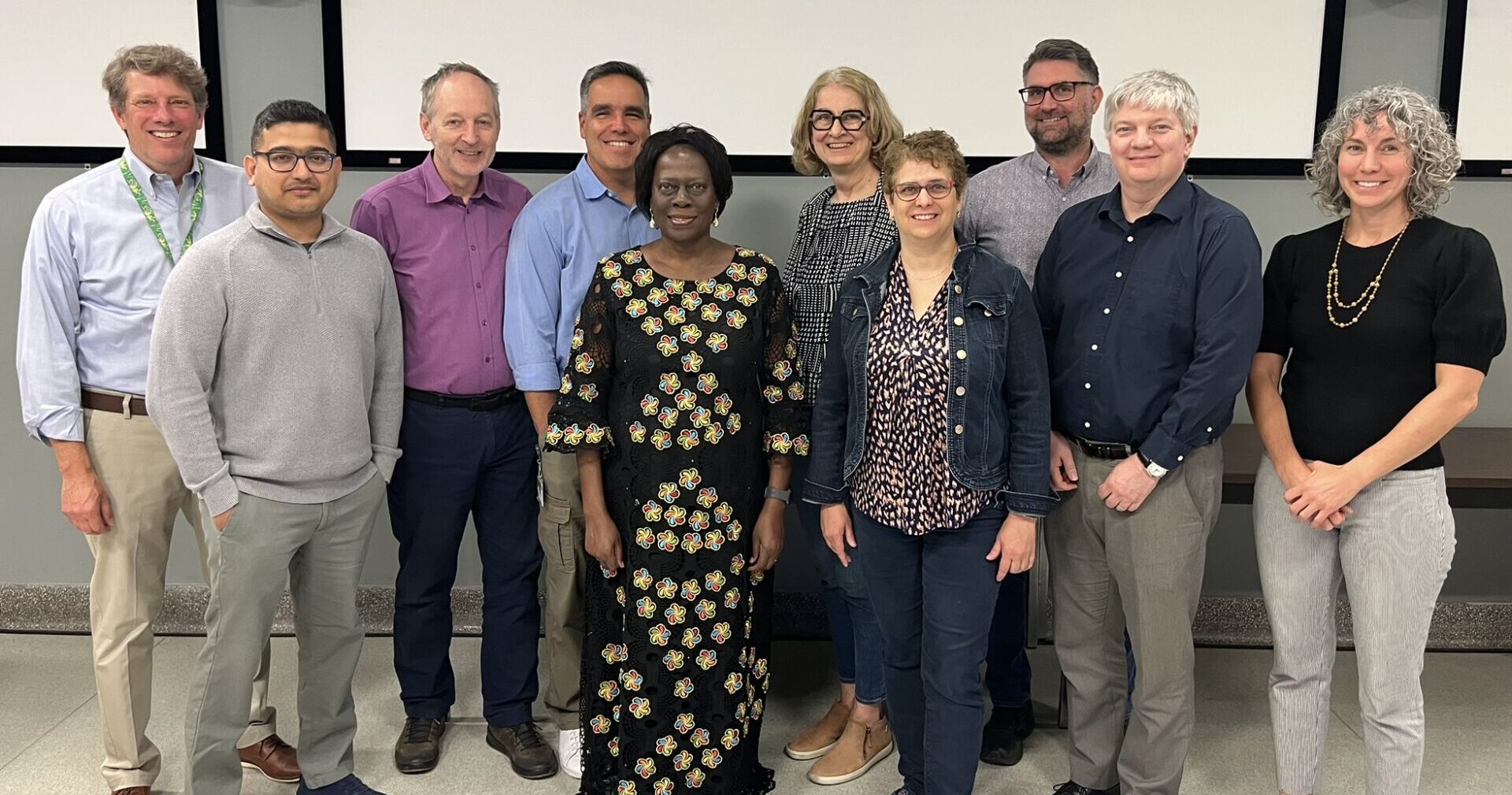
At Western University in Canada, an innovative initiative aims to transform access to HIV treatment and potential cures for millions around the globe. Led by Eric Arts, Canada Research Chair in HIV Pathogenesis and Viral Control, the project, named IMMUNEQUITY, seeks to address the stark inequities in healthcare access that continue to affect individuals living with HIV.
After significant advancements in HIV treatment over the past three decades, the benefits of medical breakthroughs remain unevenly distributed. Arts emphasizes the urgency of this matter, stating, “Where you live still determines whether you benefit from medical breakthroughs.” He highlights that while antiretroviral therapy (ART) has turned HIV into a manageable condition, many in sub-Saharan Africa face delays in accessing these advancements, often relying on unstable international aid.
Currently, approximately 40 million people worldwide live with HIV, and many depend on daily medication. While there is a technical cure involving hematopoietic stem cell transplantation (HSCT), the procedure is complex, risky, and costly—averaging over $350,000 per patient. Such challenges make scaling the treatment impractical in low- and middle-income countries, where the need is greatest.
Revolutionizing HIV Treatment Development
The IMMUNEQUITY initiative is a collaboration involving professors from various disciplines, including medical biophysics, engineering, and law, alongside Ugandan partners at the Joint Clinical Research Centre (JCRC) and Makerere University. Their collaborative effort aims to rethink the design of HIV cures, integrating affordability, manufacturability, and equitable access from the outset.
According to Peter Zandstra, Canada Research Chair in Stem Cell Engineering, the initiative presents a compelling opportunity: “If we can solve the manufacturing and distribution challenges alongside the biology, the impact could extend well beyond Canada to millions of people worldwide.”
At the heart of this initiative is a strategy known as “kick and kill,” which seeks to activate dormant HIV-infected cells and subsequently target them for elimination. Instead of relying on toxic chemotherapies, the team focuses on biologics—immunotherapies designed to specifically target HIV-infected cells. This approach not only promises to be more effective but also aims to reduce costs significantly for low-income countries.
Community Engagement and Local Collaboration
The Pathogen Research Centre, a $44 million facility currently under construction at Western Research Parks, will play a vital role in supporting the IMMUNEQUITY initiative. The project emphasizes that cost considerations must be integrated into the research design from the very beginning.
“New biotherapeutics will not succeed if they are developed in isolation from the realities of low-resource health systems,” said Maria Drangova, one of the project’s leading researchers. “They must be designed in parallel with scalable manufacturing and reliable delivery infrastructure.”
By engaging with communities living with HIV in Canada and Uganda, the initiative ensures that legal, social, and ethical considerations are integral to its development. Bassem Awad, faculty director of the Western Intellectual Property and Innovation Legal Clinic, will spearhead the project’s intellectual property strategy to eliminate potential barriers to treatment access.
The collaboration draws on a long-standing partnership between Eric Arts and Dr. Cissy Kityo Mutuluuza, a prominent Ugandan physician and researcher. This partnership, formalized in March 2022, aims to co-develop technologies that are not only effective but also contextually relevant to the communities they serve.
With more than 70 percent of individuals living with HIV residing in low- and middle-income countries, the initiative’s implications are significant. In Uganda, the annual cost of HIV treatment using generic ART is approximately US$1,000, while in wealthier nations, it can exceed $30,000.
The objective of IMMUNEQUITY extends beyond merely curing HIV; it aims to pioneer a model of biomedical innovation that bridges the gap between discovery and equitable access. If successful, the framework developed through this initiative could be applied to combat other infectious diseases and chronic conditions in resource-limited settings.
As Eric Arts aptly summarizes, “The best cure in the world is meaningless if it cannot be produced at a large scale and affordable cost in resource-limited settings.” Through IMMUNEQUITY, the hope is to create a future where lifesaving treatments are accessible to all, not just the privileged few.

iShares Core Dividend Growth ETF Faces Challenges; Alternatives Suggested

Discover 7 Scenic Hikes Near Calgary to Explore This Spring

Scientists Uncover Life’s Building Blocks in Ryugu Asteroid Samples

Windsor-Essex Unveils New Action Plan to Combat Substance Use

Boost Your Business Visibility with These Local SEO Strategies

East Algoma OPP Urges Public to Limit Travel Amid Hazardous Conditions

Universities Must Rethink Failure to Support Student Growth

Canada Invests $6.4 Million to Boost Green Shipping Corridors

Stony Plain Secures 14th Consecutive Award for Financial Reporting Excellence

Rhythm Pharmaceuticals Reports Strong Q4 Growth Ahead of FDA Decision

Brandon University’s Failed $5 Million Project Sparks Oversight Review

Microsoft Confirms U.S. Law Overrules Canadian Data Sovereignty

Winnipeg Celebrates Culinary Creativity During Le Burger Week 2025

Discover Aritzia’s Latest Fashion Trends: A Comprehensive Review

New SĆIȺNEW̱ SṮEȽIṮḴEȽ Elementary Opens in Langford for 2025/2026 Year

EngineAI Unveils T800 Humanoid Robot, Setting New Industry Standards

Montreal’s Groupe Marcelle Leads Canadian Cosmetic Industry Growth

Tech Innovator Amandipp Singh Transforms Hiring for Disabled

Dragon Ball: Sparking! Zero Launching on Switch and Switch 2 This November

Digg Relaunches as Founders Kevin Rose and Alexis Ohanian Join Forces
-
 Education7 months ago
Brandon University’s Failed $5 Million Project Sparks Oversight Review
-
 Science8 months ago
Microsoft Confirms U.S. Law Overrules Canadian Data Sovereignty
-
 Lifestyle7 months ago
Winnipeg Celebrates Culinary Creativity During Le Burger Week 2025
-
 Lifestyle4 months ago
Discover Aritzia’s Latest Fashion Trends: A Comprehensive Review
-
 Education7 months ago
New SĆIȺNEW̱ SṮEȽIṮḴEȽ Elementary Opens in Langford for 2025/2026 Year
-
 Business4 months ago
EngineAI Unveils T800 Humanoid Robot, Setting New Industry Standards
-
 Health8 months ago
Montreal’s Groupe Marcelle Leads Canadian Cosmetic Industry Growth
-
 Science8 months ago
Tech Innovator Amandipp Singh Transforms Hiring for Disabled
-
 Technology8 months ago
Dragon Ball: Sparking! Zero Launching on Switch and Switch 2 This November
-
 Technology3 months ago
Digg Relaunches as Founders Kevin Rose and Alexis Ohanian Join Forces
-
 Top Stories4 months ago
Canadiens Eye Elias Pettersson: What It Would Cost to Acquire Him
-

 Lifestyle4 weeks ago
Canmore’s Le Fournil Bakery to Close After 14 Successful Years
-

 Health6 months ago
Eganville Leader to Close in 2026 After 123 Years of Reporting
-
 Education8 months ago
Red River College Launches New Programs to Address Industry Needs
-

 Top Stories4 months ago
Nicol Brothers Shine as Wheat Kings Dominate U18 AAA Hockey
-

 Business7 months ago
Rocket Lab Reports Strong Q2 2025 Revenue Growth and Future Plans
-

 Business8 months ago
BNA Brewing to Open New Bowling Alley in Downtown Penticton
-

 Education6 months ago
Alberta Petition Aims to Redirect Funds from Private to Public Schools
-

 Education8 months ago
Alberta Teachers’ Strike: Potential Impacts on Students and Families
-

 Technology6 months ago
Discord Faces Serious Security Breach Affecting Millions
-

 Technology8 months ago
Google Pixel 10 Pro Fold Specs Unveiled Ahead of Launch
-

 Lifestyle5 months ago
Edmonton’s Beloved Evolution Wonderlounge Closes, New Era Begins
-

 Business7 months ago
Iconic Golden Lion Restaurant in South Surrey to Close After 50 Years
-

 Science8 months ago
China’s Wukong Spacesuit Sets New Standard for AI in Space