
Health
Strength Training: Essential for Independence at Any Age

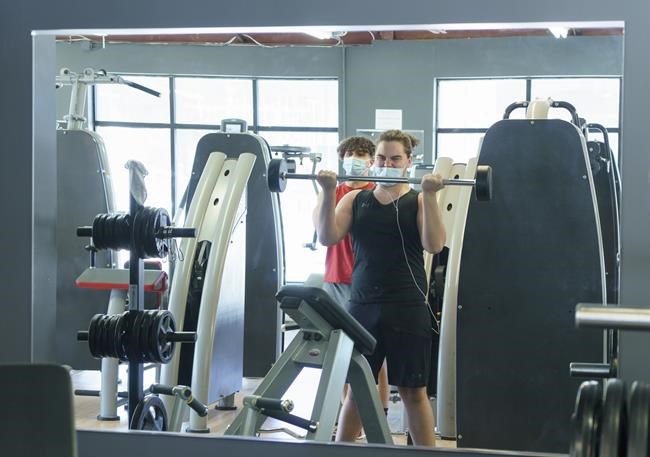
The ability to perform basic tasks, such as getting out of a chair, often declines with age due to a condition known as sarcopenia. This gradual muscle loss can lead to serious consequences for older adults, including difficulty climbing stairs, increased hospital visits, and ultimately a loss of independence. Strength training plays a crucial role in combating these issues, allowing individuals to maintain muscle mass and mobility throughout their lives.
Understanding Sarcopenia and Its Impacts
Sarcopenia, the age-related decline in muscle mass and strength, affects many older adults. The consequences can be profound, leading to a cycle of decreased physical capability, increased health risks, and a potential loss of independence. For instance, hospitalization or periods of inactivity can accelerate muscle loss, making recovery more challenging as we age.
Research indicates that individuals who experience even short-term immobilization can lose significant muscle mass. This loss is particularly concerning for older adults, who may not regain lost muscle as effectively as younger individuals. For example, a 20-year-old might recover muscle strength within weeks, while a 70-year-old may struggle to regain that same strength, highlighting the critical need for ongoing strength training throughout life.
Building a Muscle Buffer for the Future
Creating a “muscle savings account” is essential for maintaining independence as we age. This concept underscores the importance of preserving muscle mass before encountering health challenges. Engaging in regular strength training can help offset the inevitable muscle loss that accompanies aging, providing a buffer that ensures individuals can remain active and independent.
Strength training does not require heavy weights or lengthy workouts. Research from Stuart Phillips and his team at McMaster University demonstrates that even one session of lighter-weight strength training each week can lead to substantial improvements in muscle mass and strength. This finding is empowering, particularly for older adults who may feel intimidated by traditional weightlifting environments.
Moreover, the emphasis should not solely be on lifting heavy weights. Engaging with lighter weights can yield significant benefits, particularly when individuals aim for 20-25 repetitions per set. If one can easily exceed 25 repetitions, it may be time to increase the weight slightly. Importantly, the focus should be on consistent participation rather than perfection; starting with whatever one can manage is better than not beginning at all.
The bottom line is clear: incorporating strength training into a weekly routine is essential for safeguarding future independence. For older adults, maintaining strength is not just about fitness; it is about ensuring the ability to perform everyday tasks without assistance. By committing to this practice, individuals can enhance their quality of life and reduce the risks associated with aging.
As we all navigate the complexities of health and aging, the message is simple: start today. The benefits of strength training extend beyond physical appearance; they are vital for maintaining a lifestyle marked by independence and vitality.

iShares Core Dividend Growth ETF Faces Challenges; Alternatives Suggested

Discover 7 Scenic Hikes Near Calgary to Explore This Spring

Scientists Uncover Life’s Building Blocks in Ryugu Asteroid Samples

Windsor-Essex Unveils New Action Plan to Combat Substance Use

Boost Your Business Visibility with These Local SEO Strategies

East Algoma OPP Urges Public to Limit Travel Amid Hazardous Conditions

Universities Must Rethink Failure to Support Student Growth

Canada Invests $6.4 Million to Boost Green Shipping Corridors

Stony Plain Secures 14th Consecutive Award for Financial Reporting Excellence

Rhythm Pharmaceuticals Reports Strong Q4 Growth Ahead of FDA Decision

Brandon University’s Failed $5 Million Project Sparks Oversight Review

Microsoft Confirms U.S. Law Overrules Canadian Data Sovereignty

Winnipeg Celebrates Culinary Creativity During Le Burger Week 2025

Discover Aritzia’s Latest Fashion Trends: A Comprehensive Review

New SĆIȺNEW̱ SṮEȽIṮḴEȽ Elementary Opens in Langford for 2025/2026 Year

EngineAI Unveils T800 Humanoid Robot, Setting New Industry Standards

Montreal’s Groupe Marcelle Leads Canadian Cosmetic Industry Growth

Tech Innovator Amandipp Singh Transforms Hiring for Disabled

Dragon Ball: Sparking! Zero Launching on Switch and Switch 2 This November

Digg Relaunches as Founders Kevin Rose and Alexis Ohanian Join Forces
-
 Education7 months ago
Brandon University’s Failed $5 Million Project Sparks Oversight Review
-
 Science8 months ago
Microsoft Confirms U.S. Law Overrules Canadian Data Sovereignty
-
 Lifestyle7 months ago
Winnipeg Celebrates Culinary Creativity During Le Burger Week 2025
-
 Lifestyle4 months ago
Discover Aritzia’s Latest Fashion Trends: A Comprehensive Review
-
 Education7 months ago
New SĆIȺNEW̱ SṮEȽIṮḴEȽ Elementary Opens in Langford for 2025/2026 Year
-
 Business4 months ago
EngineAI Unveils T800 Humanoid Robot, Setting New Industry Standards
-
 Health8 months ago
Montreal’s Groupe Marcelle Leads Canadian Cosmetic Industry Growth
-
 Science8 months ago
Tech Innovator Amandipp Singh Transforms Hiring for Disabled
-
 Technology8 months ago
Dragon Ball: Sparking! Zero Launching on Switch and Switch 2 This November
-
 Technology3 months ago
Digg Relaunches as Founders Kevin Rose and Alexis Ohanian Join Forces
-
 Top Stories4 months ago
Canadiens Eye Elias Pettersson: What It Would Cost to Acquire Him
-

 Lifestyle4 weeks ago
Canmore’s Le Fournil Bakery to Close After 14 Successful Years
-

 Health6 months ago
Eganville Leader to Close in 2026 After 123 Years of Reporting
-

 Education8 months ago
Red River College Launches New Programs to Address Industry Needs
-

 Top Stories4 months ago
Nicol Brothers Shine as Wheat Kings Dominate U18 AAA Hockey
-

 Business7 months ago
Rocket Lab Reports Strong Q2 2025 Revenue Growth and Future Plans
-

 Business8 months ago
BNA Brewing to Open New Bowling Alley in Downtown Penticton
-

 Education6 months ago
Alberta Petition Aims to Redirect Funds from Private to Public Schools
-

 Education8 months ago
Alberta Teachers’ Strike: Potential Impacts on Students and Families
-

 Technology6 months ago
Discord Faces Serious Security Breach Affecting Millions
-

 Technology8 months ago
Google Pixel 10 Pro Fold Specs Unveiled Ahead of Launch
-

 Lifestyle5 months ago
Edmonton’s Beloved Evolution Wonderlounge Closes, New Era Begins
-

 Business7 months ago
Iconic Golden Lion Restaurant in South Surrey to Close After 50 Years
-

 Science8 months ago
China’s Wukong Spacesuit Sets New Standard for AI in Space