
Health
Public Servant Faces Relentless Documentation Demands for Illness

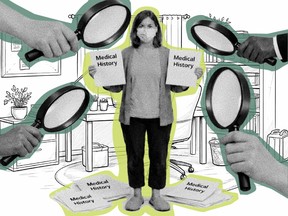
A public servant in Canada has raised concerns regarding the repeated requirement to submit medical documentation for a chronic illness. This situation highlights the challenges faced by employees with permanent conditions who seek accommodations in the workplace. The individual, who has worked from home since 2021 due to documented health issues, feels subjected to unnecessary stress and scrutiny from the federal government.
Having never encountered performance issues, the public servant is frustrated that they must continually supply medical paperwork and undergo questioning regarding their health status. The union representing public servants has offered support, but the ongoing demands have created a significant burden on this individual, who has a compromised immune system. The employee questions whether there should be a limit on documentation requests, particularly when their condition is stable and well-documented.
Research indicates that public servants with chronic or permanent health conditions often face significant obstacles when requesting accommodations. Many report feeling invalidated, as their requests are met with skepticism or outright denial. The process of resubmitting medical documentation, especially during job changes or annual reviews, consumes valuable energy and can diminish an employee’s sense of value within their organization.
Managers play a crucial role in assessing accommodation requests. While they must use their discretion, it is essential they do not substitute their opinions for those of qualified professionals, such as doctors or occupational therapists. Employees have expressed frustration when their detailed medical assessments are dismissed by management, leading to a lack of understanding regarding the legitimacy of their conditions.
The obligations of employers are defined by the need to provide “reasonable accommodation” based on individual circumstances. Although an employer is not required to fulfill an employee’s preferred accommodation, they must consider specific needs and avoid adopting a one-size-fits-all approach. For instance, broad directives, such as a return-to-office policy, may not adequately address the unique needs of employees with disabilities.
In this case, while the employee’s right to accommodation is acknowledged, the current arrangements may not align with their needs. The suggestion is for the individual to engage their manager in discussions to find a solution that minimizes the need for repetitive documentation. The Government of Canada Workplace Accessibility Passport may serve as a useful tool, allowing for a single document to be used as often as necessary.
Collaboration with the union and connecting with networks for public servants can provide further support. Sharing experiences with others in similar situations can empower employees and foster a sense of community.
As the conversation around workplace accommodations continues, it remains vital for employers to recognize the complexities of chronic health conditions. The aim should be to create an environment that respects the needs of all employees while enhancing their well-being and productivity.
For those navigating similar challenges, seeking advice from experts and utilizing available resources can be beneficial. Daniel Quan-Watson, who has extensive experience in public service, emphasizes that no concern is too small and encourages open dialogue regarding workplace issues.
This situation exemplifies the broader need for systemic improvements in how public institutions handle accommodation requests, ensuring that all employees are treated with the respect and dignity they deserve.

iShares Core Dividend Growth ETF Faces Challenges; Alternatives Suggested

Discover 7 Scenic Hikes Near Calgary to Explore This Spring

Scientists Uncover Life’s Building Blocks in Ryugu Asteroid Samples

Windsor-Essex Unveils New Action Plan to Combat Substance Use

Boost Your Business Visibility with These Local SEO Strategies

East Algoma OPP Urges Public to Limit Travel Amid Hazardous Conditions

Universities Must Rethink Failure to Support Student Growth

Canada Invests $6.4 Million to Boost Green Shipping Corridors

Stony Plain Secures 14th Consecutive Award for Financial Reporting Excellence

Rhythm Pharmaceuticals Reports Strong Q4 Growth Ahead of FDA Decision

Brandon University’s Failed $5 Million Project Sparks Oversight Review

Microsoft Confirms U.S. Law Overrules Canadian Data Sovereignty

Winnipeg Celebrates Culinary Creativity During Le Burger Week 2025

Discover Aritzia’s Latest Fashion Trends: A Comprehensive Review

New SĆIȺNEW̱ SṮEȽIṮḴEȽ Elementary Opens in Langford for 2025/2026 Year

EngineAI Unveils T800 Humanoid Robot, Setting New Industry Standards

Montreal’s Groupe Marcelle Leads Canadian Cosmetic Industry Growth

Tech Innovator Amandipp Singh Transforms Hiring for Disabled

Dragon Ball: Sparking! Zero Launching on Switch and Switch 2 This November

Digg Relaunches as Founders Kevin Rose and Alexis Ohanian Join Forces
-
 Education7 months ago
Brandon University’s Failed $5 Million Project Sparks Oversight Review
-
 Science8 months ago
Microsoft Confirms U.S. Law Overrules Canadian Data Sovereignty
-
 Lifestyle7 months ago
Winnipeg Celebrates Culinary Creativity During Le Burger Week 2025
-
 Lifestyle4 months ago
Discover Aritzia’s Latest Fashion Trends: A Comprehensive Review
-
 Education8 months ago
New SĆIȺNEW̱ SṮEȽIṮḴEȽ Elementary Opens in Langford for 2025/2026 Year
-
 Business4 months ago
EngineAI Unveils T800 Humanoid Robot, Setting New Industry Standards
-
 Health8 months ago
Montreal’s Groupe Marcelle Leads Canadian Cosmetic Industry Growth
-
 Science8 months ago
Tech Innovator Amandipp Singh Transforms Hiring for Disabled
-
 Technology8 months ago
Dragon Ball: Sparking! Zero Launching on Switch and Switch 2 This November
-
 Technology3 months ago
Digg Relaunches as Founders Kevin Rose and Alexis Ohanian Join Forces
-

 Lifestyle4 weeks ago
Canmore’s Le Fournil Bakery to Close After 14 Successful Years
-
 Top Stories4 months ago
Canadiens Eye Elias Pettersson: What It Would Cost to Acquire Him
-

 Health7 months ago
Eganville Leader to Close in 2026 After 123 Years of Reporting
-

 Education8 months ago
Red River College Launches New Programs to Address Industry Needs
-

 Top Stories4 months ago
Nicol Brothers Shine as Wheat Kings Dominate U18 AAA Hockey
-

 Business8 months ago
BNA Brewing to Open New Bowling Alley in Downtown Penticton
-

 Business7 months ago
Rocket Lab Reports Strong Q2 2025 Revenue Growth and Future Plans
-

 Education6 months ago
Alberta Petition Aims to Redirect Funds from Private to Public Schools
-

 Lifestyle5 months ago
Edmonton’s Beloved Evolution Wonderlounge Closes, New Era Begins
-

 Education8 months ago
Alberta Teachers’ Strike: Potential Impacts on Students and Families
-

 Technology6 months ago
Discord Faces Serious Security Breach Affecting Millions
-

 Technology8 months ago
Google Pixel 10 Pro Fold Specs Unveiled Ahead of Launch
-

 Business7 months ago
Iconic Golden Lion Restaurant in South Surrey to Close After 50 Years
-

 Lifestyle6 months ago
Canadian Author Secures Funding to Write Book Without Financial Strain