
Health
Paralympians Thrive with Advanced Prosthetics, Yet Costs Hinder Access

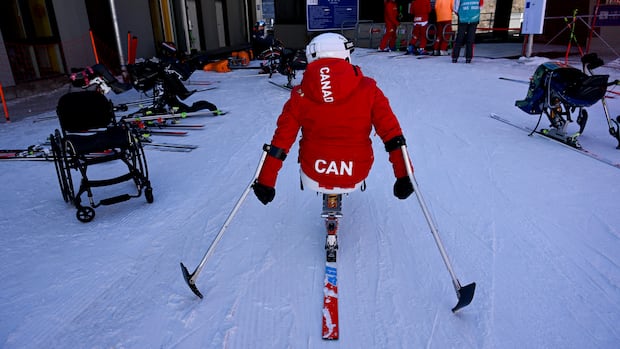
Recent advancements in prosthetic technology are enabling Paralympians to excel in their sports, but the high costs of these devices are limiting access for many Canadians. Innovations such as lighter materials and customizable designs have revolutionized the field, offering enhanced performance and comfort to athletes. However, the financial burden of these cutting-edge prosthetics remains a significant barrier for individuals with disabilities.
Innovative Technologies Transforming Prosthetics
For decades, athletes competing in the Paralympics have benefitted from significant enhancements in prosthetic technology. The introduction of materials like carbon fibre has made prosthetics lighter and more energy-efficient. Additionally, digital design techniques allow for tailored fittings that improve stability and control. Some devices now include electronic components that can react in real-time to movements, enhancing safety for users. For instance, certain prosthetic knees can detect when a user trips and automatically lock to prevent falls.
Shane Glasford, a certified prosthetist and team lead at Sunnybrook Health Sciences Centre in Toronto, noted the dramatic improvements in prosthetic hands as well. Earlier models could only execute basic grasps, while modern versions allow for intricate finger movements. “We can do a grasp where the hand will conform to just a point, so if they need to get to an ATM machine, they can simply point to hit the buttons,” Glasford explained.
Among those benefiting from these advancements is Tyler Turner, a gold medallist in snowboarding who will compete at the upcoming Milano Cortina Games beginning on March 6, 2024. Turner, a double leg amputee, has noted the rapid evolution of prosthetic technology, especially in designs that absorb shock and pressure during high-impact activities. “It feels so natural,” he stated. “When I’m snowboarding, you can’t tell I’m using prosthetics because the feet are that advanced.”
Cost Barriers Impacting Accessibility
Despite the technological progress, the cost of prosthetics poses a significant challenge for many individuals in Canada. Estimates from prosthetists indicate that prices can range from $5,000 to over $100,000, depending on the specific needs of the user and the complexity of the device. Brittany Pousett, director of clinical research at Barber Prosthetics Clinic in Vancouver, highlighted that a prosthetic typically lasts between three to five years, depending on usage.
Coverage for prosthetic devices varies widely across the country. While provincial programs in British Columbia and Ontario provide support for basic functionality, other regions, such as Nova Scotia and Prince Edward Island, offer minimal to no assistance. “It impacts their physical health, their mental health, impacts what they can do on a daily basis,” Pousett pointed out, emphasizing the critical need for accessible prosthetic options.
Sam Paulos, an avid skier who had to amputate one of his legs due to a severe infection, spent approximately $12,000 on a specialized skiing leg. He advocates for expanded access to prosthetics that facilitate participation in sports and exercise. “Participating in sport or any kind of movement is truly beneficial for more positive outcomes in rehabilitation,” he said. Paulos underscored the importance of mental health and the joy of returning to activities enjoyed before injury.
The promise of emerging technologies, such as 3D printing, holds potential for creating more affordable and customized prosthetics. Although 3D-printed devices have been showcased at events like the Rio Paralympics in 2016, their widespread adoption among athletes remains limited. Institutions like Holland Bloorview Kids Rehabilitation Hospital in Toronto are exploring 3D printing to provide personalized solutions for children. Elaine Lorette, a certified prosthetist at the hospital, noted, “Now that we’re incorporating things like 3D scanning, digital designing, and 3D printing, we are just allowing for more customization and more personalization.”
While research suggests that 3D printing could potentially reduce costs, experts like Jan Andrysek, a senior scientist at Holland Bloorview, caution that further studies are needed to validate these claims. Nonetheless, the drive for innovation continues, with researchers and prosthetists working to create devices that enhance both daily functionality and athletic capabilities.
The advancements in prosthetic technology present exciting opportunities for athletes and individuals living with disabilities. However, addressing the financial barriers to access remains crucial to ensure that all Canadians can benefit from these life-changing innovations.

iShares Core Dividend Growth ETF Faces Challenges; Alternatives Suggested

Discover 7 Scenic Hikes Near Calgary to Explore This Spring

Scientists Uncover Life’s Building Blocks in Ryugu Asteroid Samples

Windsor-Essex Unveils New Action Plan to Combat Substance Use

Boost Your Business Visibility with These Local SEO Strategies

East Algoma OPP Urges Public to Limit Travel Amid Hazardous Conditions

Universities Must Rethink Failure to Support Student Growth

Canada Invests $6.4 Million to Boost Green Shipping Corridors

Stony Plain Secures 14th Consecutive Award for Financial Reporting Excellence

Rhythm Pharmaceuticals Reports Strong Q4 Growth Ahead of FDA Decision

Brandon University’s Failed $5 Million Project Sparks Oversight Review

Microsoft Confirms U.S. Law Overrules Canadian Data Sovereignty

Discover Aritzia’s Latest Fashion Trends: A Comprehensive Review

Winnipeg Celebrates Culinary Creativity During Le Burger Week 2025

New SĆIȺNEW̱ SṮEȽIṮḴEȽ Elementary Opens in Langford for 2025/2026 Year

EngineAI Unveils T800 Humanoid Robot, Setting New Industry Standards

Montreal’s Groupe Marcelle Leads Canadian Cosmetic Industry Growth

Tech Innovator Amandipp Singh Transforms Hiring for Disabled

Canmore’s Le Fournil Bakery to Close After 14 Successful Years

Dragon Ball: Sparking! Zero Launching on Switch and Switch 2 This November
-
 Education8 months ago
Brandon University’s Failed $5 Million Project Sparks Oversight Review
-
 Science9 months ago
Microsoft Confirms U.S. Law Overrules Canadian Data Sovereignty
-
 Lifestyle4 months ago
Discover Aritzia’s Latest Fashion Trends: A Comprehensive Review
-
 Lifestyle8 months ago
Winnipeg Celebrates Culinary Creativity During Le Burger Week 2025
-
 Education8 months ago
New SĆIȺNEW̱ SṮEȽIṮḴEȽ Elementary Opens in Langford for 2025/2026 Year
-
 Business5 months ago
EngineAI Unveils T800 Humanoid Robot, Setting New Industry Standards
-
 Health9 months ago
Montreal’s Groupe Marcelle Leads Canadian Cosmetic Industry Growth
-
 Science9 months ago
Tech Innovator Amandipp Singh Transforms Hiring for Disabled
-
 Lifestyle2 months ago
Canmore’s Le Fournil Bakery to Close After 14 Successful Years
-
 Technology9 months ago
Dragon Ball: Sparking! Zero Launching on Switch and Switch 2 This November
-

 Technology4 months ago
Digg Relaunches as Founders Kevin Rose and Alexis Ohanian Join Forces
-
 Top Stories5 months ago
Canadiens Eye Elias Pettersson: What It Would Cost to Acquire Him
-

 Health7 months ago
Eganville Leader to Close in 2026 After 123 Years of Reporting
-

 Lifestyle6 months ago
Edmonton’s Beloved Evolution Wonderlounge Closes, New Era Begins
-

 Education9 months ago
Red River College Launches New Programs to Address Industry Needs
-

 Top Stories5 months ago
Nicol Brothers Shine as Wheat Kings Dominate U18 AAA Hockey
-

 Business9 months ago
BNA Brewing to Open New Bowling Alley in Downtown Penticton
-

 Business8 months ago
Rocket Lab Reports Strong Q2 2025 Revenue Growth and Future Plans
-

 Education6 months ago
Alberta Petition Aims to Redirect Funds from Private to Public Schools
-

 Education9 months ago
Alberta Teachers’ Strike: Potential Impacts on Students and Families
-

 Technology7 months ago
Discord Faces Serious Security Breach Affecting Millions
-

 Technology9 months ago
Google Pixel 10 Pro Fold Specs Unveiled Ahead of Launch
-

 Education5 months ago
ʔaq̓am Education Law Enacted, Affirming Self-Governance Rights
-

 Business8 months ago
Iconic Golden Lion Restaurant in South Surrey to Close After 50 Years